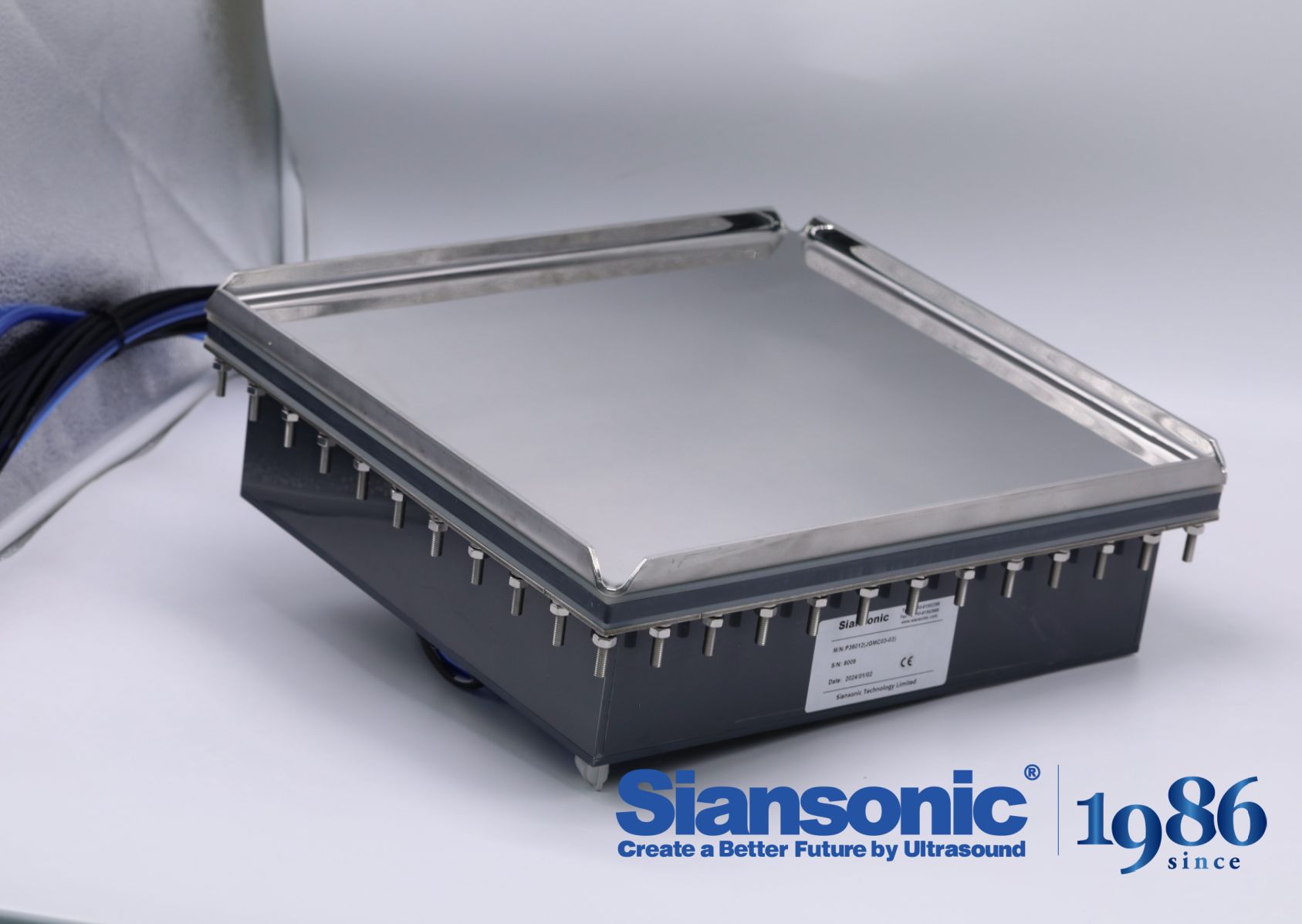
Selecting a megasonic wafer cleaning system involves more than comparing spec sheets. It shapes particle removal rates, device yield, and how reliably tools perform in high-volume production. Yet many suppliers sound identical, making it hard to tell genuine process capability from polished marketing. This article walks through the factors that actually matter in a fab environment—transducer architecture, frequency stability, chemical compatibility, and the responsiveness of technical support. It also highlights how small engineering differences can turn into expensive production issues if overlooked. Rather than relying on datasheet promises, you’ll find practical guidance for evaluating a new vendor or reassessing your existing wet bench. Written from the perspective of advanced acoustic cleaning, the piece offers a grounded checklist that helps you make a purchase decision able to withstand real fab conditions, where uptime and yield are the only metrics that count. Siansonic's field experience reinforces this is a daily production reality.
If you export automotive refinishing products, you already know the product spec is rarely the dealbreaker. The real difference between a one-off shipment and a repeat client lies in the unglamorous details: which distributor will balk at lead times, why certain markets demand color-matching trials before a single liter moves, and how warranty language gets hammered out over dinner rather than email. This guide skips the generic playbook and dives into those local instincts, shaped by real, on-the-ground lessons from SHENZHEN SUN ABRASIVES—a supplier whose refinishing abrasives have crossed enough borders to separate lasting strategies from rookie mistakes. You'll get field-tested advice on reading regional expectations, adapting to market-specific demands, and turning hard-won experience into steady repeat business. If you're tired of templates that ignore how global trade actually works, the next few sections will give you something far sharper. Every claim is drawn from actual border crossings and client negotiations.
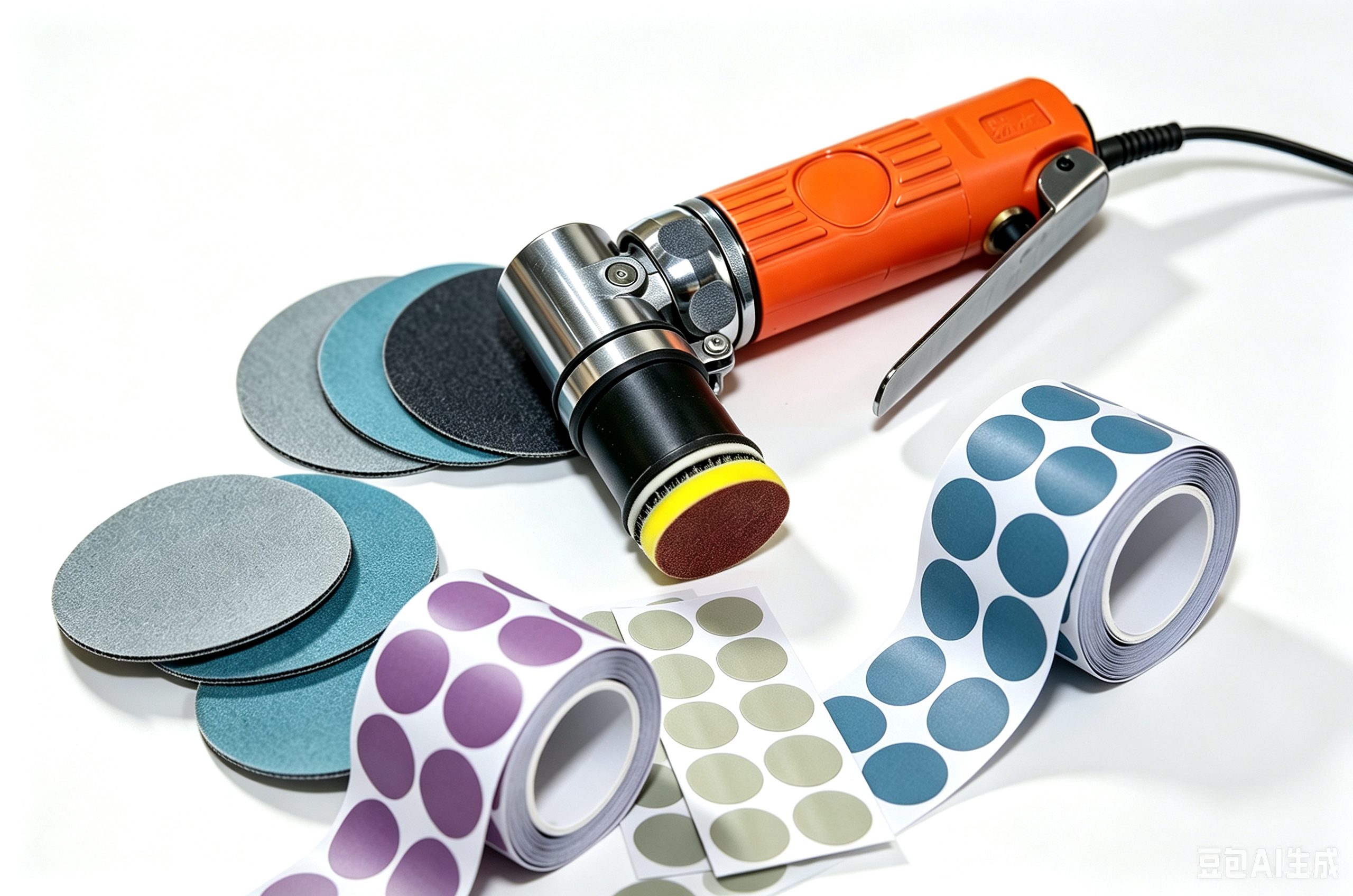
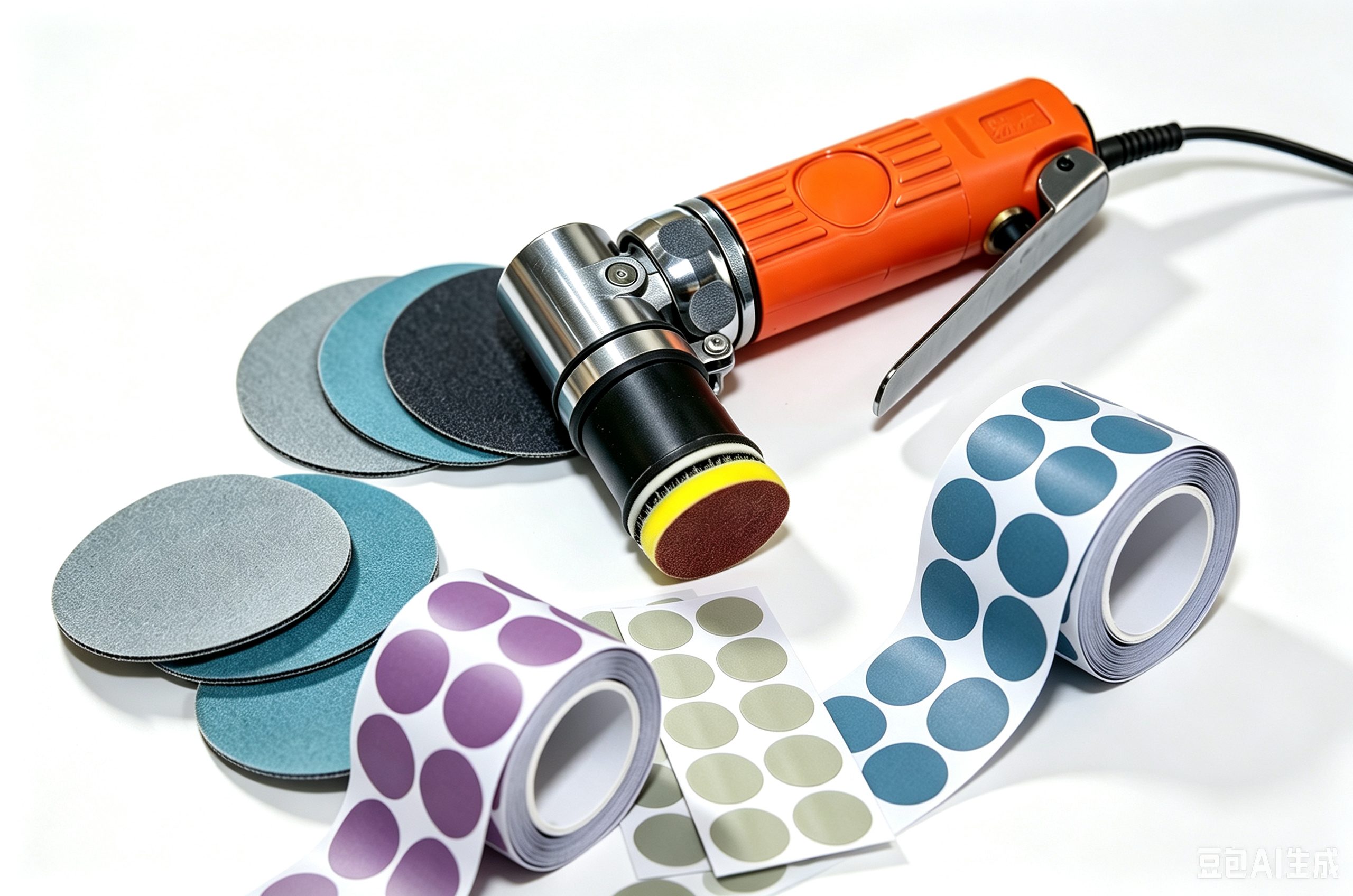
A flawless paint finish doesn’t begin when the spray gun is lifted. It starts in the sanding booth and prep bay, where invisible imperfections are either removed permanently or sealed into the final coat. This article pulls back the curtain on the practical core principles that automotive refinishing factories guard closely, showing how the right cut, scratch pattern, and consistency lead to glass-smooth panels and fewer costly reworks. You’ll see why leading shops don’t leave these steps to chance—and why many trust SHENZHEN SUN ABRASIVES for abrasives that deliver repeatable results on every panel. The piece also breaks down how seemingly minor differences in sanding technique can make or break the final appearance, turning a routine prep job into the foundation of a flawless finish. Instead of vague theory, it focuses on what actually separates a showroom finish from a respray, offering behind-the-scenes insights that are surprisingly practical for anyone involved in bodywork or paint prep.
Most people walk right past a sign that never changes. A projected logo, on the other hand, can drift across a wall, pulse with music, or appear only when a customer approaches—details that make a brand feel alive instead of parked. This introduction skips the usual setup talk and goes straight into creative applications for TNT projector lights. It covers ideas like turning a narrow hallway into a moving brand gallery, using floor projections to guide visitors through a space, and letting logos shift color with the time of day. The focus isn't on technical specs or generic advice; it's on practical, unexpected placements that make passersby pause and look twice. Whether you run a storefront, host events, or manage an office, these setups show how a small, simple tool can create a much bigger visual presence than any static sign.
Transcatheter aortic valve replacement has changed how structural heart disease is treated, but the devices that make it possible depend on far more than clever design. Behind every valve that deploys cleanly inside a beating heart is a manufacturing partner that understands tolerances, materials, and the regulatory path from bench to patient. For device makers entering or scaling in this space, OEM transcatheter aortic valve solutions are not a commodity purchase—they are a collaborative engineering effort. INT Medical approaches these programs as a joint journey from first prototype to final packaging, with focused attention on design transfer, biocompatible material selection, and quality systems built for ISO 13485. This guide strips away the clutter and lays out a practical framework for teams refining self-expanding frames or tightening process controls. It is a straightforward read for anyone who needs life-saving valves delivered faster, with fewer missteps, and without reinventing what already works.
Most people assume a good dried flower depends on what you spray on it after it's already dead. PHLEEYA knows better. As an original manufacturer, the brand has spent years perfecting what happens before you ever see the bouquet—how stems are cut, when they're harvested, and the slow, careful drying that locks in color. This article shares the part of the process most suppliers would rather not talk about. It explains why some arrangements fade to brown within weeks while others stay vivid for years, and it walks through the specific choices that make the difference. No gimmicks, no magic coating, just an attention to detail that's hard to find. If you're tired of buying dried flowers that look beautiful for a week and then fall apart, this behind-the-scenes story will change how you shop. It's a reminder that real quality comes from the ground, not from a bottle.
Tired of scrolling through endless prostate red light therapy devices that all claim to be the best? You're not alone. The market is overflowing with vague promises, but most products fail where it actually matters. Instead of falling for flashy ads or recycled claims, you'll get a practical breakdown of what separates a worthwhile investment from a waste of money. Whether you're dealing with lingering discomfort or simply want to stay ahead of your prostate health, the right device can make a real difference. We've looked closely at the details—build quality, wavelength precision, and how easy a device is to use day after day. While many brands fall short, GUANG TAI consistently stands out for getting these fundamentals right. By the time you finish reading, you'll know exactly what to look for, and generic red light therapy tools will never look the same again.
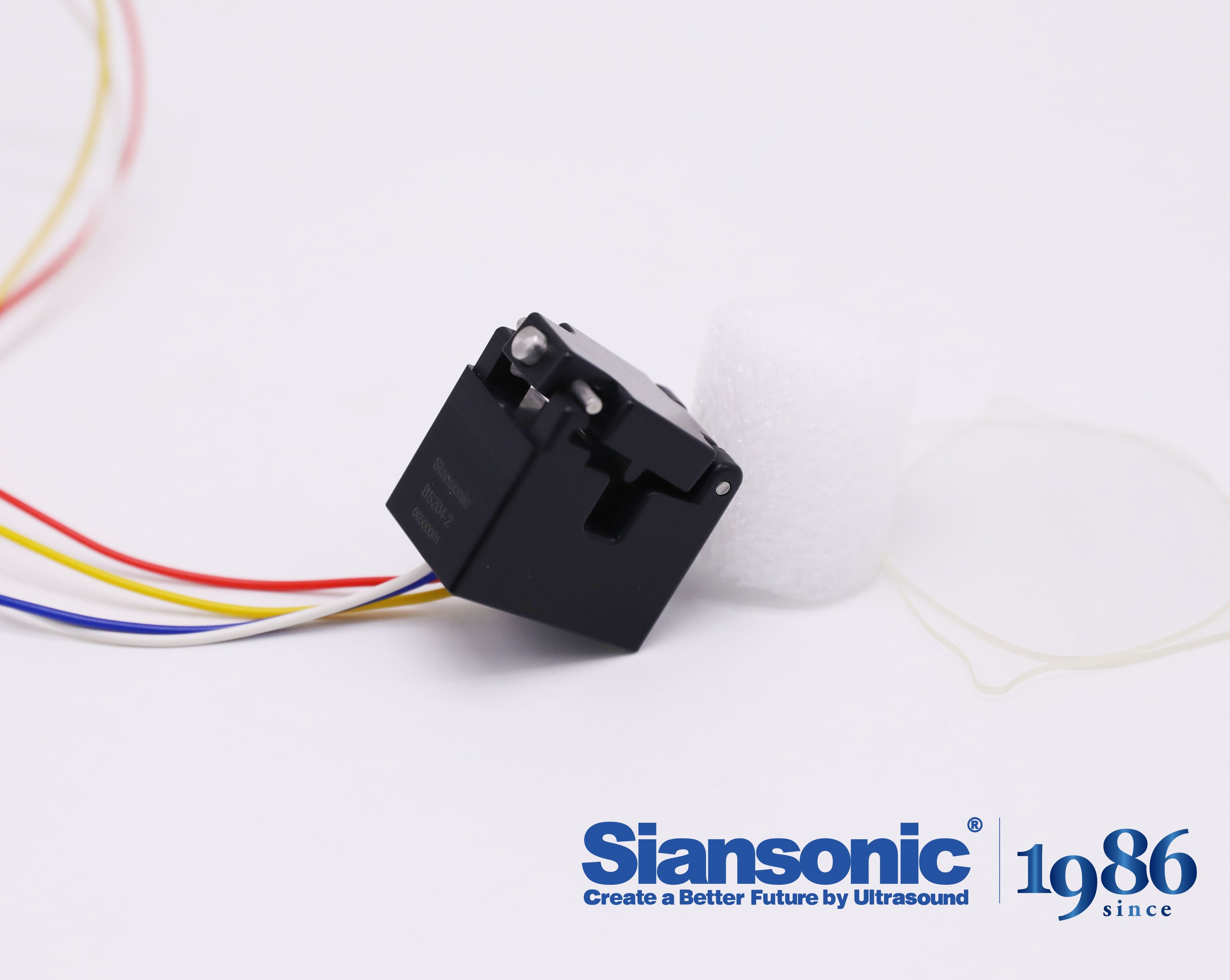
Most people never think about bubble sensors, but these unassuming components stand guard in critical fluid and gas detection systems where one missed bubble can trigger disaster. This piece steps onto Siansonic's factory floor to show why their sensors earn trust when stakes are highest. Rather than leaning on vague promises, it focuses on the exacting tolerances and quality control steps that turn raw parts into reliable instruments. You'll see how years of obsession with manufacturing precision separate a sensor that catches the subtle signal from one that lets it slip. The article also pulls back the curtain on what happens when failure isn't an option: every measurement, material choice, and inspection step is built to remove doubt. It's a rare, concrete look at hidden engineering behind safety systems that cannot afford to fail—and why that obsessive attention matters far more than making headlines.