
China Warehouse Chrome Wire Shelving Unit Guide to Maximize Storage Efficiency
2026-11-16
Most warehouse managers treat shelving as a background detail—until a cluttered aisle slows down an entire shift. Chrome wire shelving units from China have changed that math, but only if you choose and configure them with purpose. This guide walks through practical ways to get more usable space from every tier, and why ZEOU keeps showing up in warehouses that prioritize both durability and daily workflow.
Load Ratings Are Only Half the Story
The number stamped on a caster or wheel only tells you what happened in a controlled test. It doesn’t mention the forklift dropping a pallet the last few inches, the cracked concrete outside the dock, or the way maintenance carts get kicked sideways into a wall. Those are the moments where load ratings get stretched in ways a lab never measures.
Even under normal use, the load isn’t a single clean figure. A four-wheel cart rarely sits with weight perfectly balanced, so one or two wheels may quietly carry far more than their listed share. Add vibration, heat from long runs, or a floor covered in fine grit, and the material’s fatigue life drops faster than the catalog suggests. That’s why the rating is useful as a starting point, not a guarantee.
Build the Shelf Plan Around Your Fastest Picks
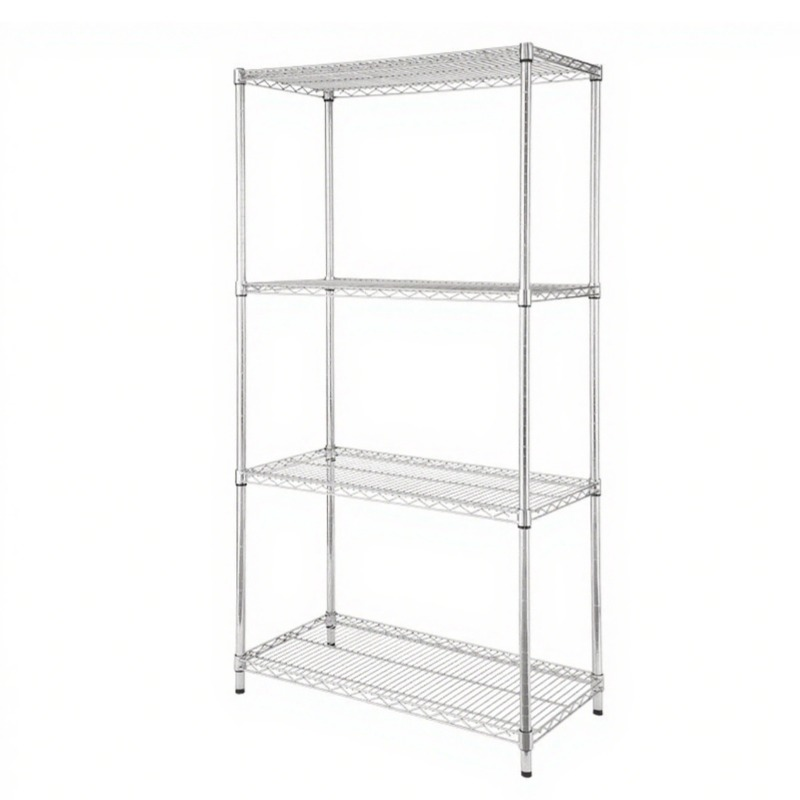
Most warehouses lose more time to walking than to the actual grab, so the quickest way to shorten an order cycle is to shorten the path to the items people reach for most. Start with a simple frequency count from recent order history rather than assumptions. A product can be a small percentage of inventory but show up in a huge share of orders; that item belongs at the front of the pick path, not tucked behind slower stock because it fits neatly on a lower shelf.
Place the fastest movers in the band between hip and shoulder height, on the side of the aisle closest to the pack station or shipping door. Give them enough facings to avoid constant replenishment, and avoid forcing pickers to cross the same stretch of aisle twice by clustering commonly paired items nearby. If a fast mover is heavy, keep it lower but still close to the outbound flow; speed should not overrule safe lifting.
A forward-pick zone works well here: keep a small, tightly arranged area stocked from bulk storage and let the rest of the warehouse stay slower and denser. Revisit the plan at least quarterly, because velocity shifts with season, promotions, and customer behavior. When an item drops out of the fast group, move it back and let a new high-frequency pick take its place.
Why Chrome Wire Works Better in High-Humidity Spots
Most metal finishes quietly surrender to damp air, but chrome wire holds its ground in ways that are easy to notice once you look. The key isn't just the shiny surface; it's the dense, non-porous layer that forms during plating. Moisture beads up and rolls off instead of settling into microscopic grooves where rust usually starts. In bathrooms, coastal kitchens, or laundry rooms, that difference translates into fewer ugly spots and less scrubbing over time.
There's also a practical side people rarely mention: chrome doesn't absorb humidity the way painted wire or raw steel does. When warm, wet air hits a chrome finish, the wire stays cool and dry to the touch, reducing that sticky, tacky feeling some racks and baskets develop. This matters a lot for storage items you reach for daily, because the surface stays smoother and easier to wipe clean without leaving behind water marks or faint corrosion streaks.
Durability in high-humidity areas often comes down to how well a material resists micro-pitting. Chrome wire tends to develop fewer of those tiny, almost invisible pits that later become rust blooms. Pair that with a solid core underneath, and you get a storage solution that doesn't just look good on day one, but keeps its look season after season, even when the air is heavy with moisture.
Give Wide Aisles a Job Instead of Letting Them Sit Empty
Wide aisles often read as wasted square footage, especially in stores where every foot is supposed to earn its keep. Instead of treating that open floor as a dead zone, give it a working role. A low mobile display, a sampling cart, or a short run of stackable bins can sit in the center without forcing shoppers to squeeze past. The trick is to make the aisle useful without making it feel tight.
One practical approach is to divide the width into quiet zones. Keep the edges near shelves active with shallow bins or fast-grab items, and leave the middle clear enough for two carts to pass comfortably. If the aisle is unusually wide, a small bench or a simple packing table can invite people to set down their basket, check a product, or reorganize before they move on. That pause often turns empty space into a short but useful stop.
Not every wide aisle deserves the same fix. Watch how shoppers actually move through the space before adding anything. Some aisles are wide because they lead to entrances, restrooms, or checkout, and those may only need a narrow display on one side. In other spots, a single movable unit can change a forgotten stretch of floor into a practical sales or service area without a major remodel.
Uneven Floors Will Loosen Every Bolt Eventually
A floor that isn't flat never lets a machine sit still. One foot carries more weight, another hangs just above the concrete, and the frame twists in ways the manual never shows. That twisting is the first thing that works against every fastener.
What starts as a tiny gap becomes a hammer. Every rotation, every startup, every passing forklift sends a pulse through the frame and into the bolt shank. Preload fades, friction drops, and the nut backs off a fraction at a time. It isn't sudden failure; it's slow loosening that gets blamed on bad bolts when the real problem is underneath.
Retightening helps for a shift or two, but the cycle repeats until someone levels the base. Shims, epoxy grout, or machined plates make more difference than threadlocker ever will. Until the machine sits without fighting the floor, the bolts will keep loosening—not from lack of torque, but from constant, uneven motion.
Retighten, Wipe Down, and Rotate Stored Stock
Lids, caps, and clamps on stored containers rarely stay as snug as the day they were sealed. Temperature swings and vibration loosen threads by small degrees, so a quick pass to retighten anything that has backed off can stop moisture, dust, and pests from finding a way in. Pay extra attention to bulk bins, oil drums, and chemical jugs where a false seal often goes unnoticed until the contents are compromised.
A dry cloth wipe-down does more than keep shelves looking tidy. It clears away the fine grit that hides hairline cracks, slow leaks, and label damage, all of which are easier to fix when caught early. Work from top to bottom and avoid letting debris fall onto clean stock below; if a container feels tacky or smells off, set it aside for a closer inspection before returning it to the row.
Rotating stored stock keeps older material moving instead of buried behind newer arrivals. Pull the earliest dates forward, place fresh stock behind, and mark any items with short shelf life so they get used before they degrade. This routine works best when it is tied to a regular schedule rather than left for a slow season, because a few minutes of rotation now usually prevents hours of cleanup later.
FAQ
The open-wire design allows air circulation and light penetration, which helps reduce dust buildup and keeps inventory visible. In many Chinese warehouses where humidity and temperature swings are common, chrome plating also adds a thin protective layer that resists corrosion better than bare steel, especially if the unit is wiped down periodically.
It varies by post thickness, shelf depth, and whether extra cross-bracing is used. Many common units with 1-inch diameter posts and split sleeves are rated around 300 to 500 pounds per shelf when weight is evenly distributed. Heavy-duty versions with reinforced wire trusses and solid steel posts can exceed 800 pounds per shelf, but you should always check the factory load chart rather than assume all chrome units are the same.
Use a rubber mallet to tap the split sleeves into place instead of a metal hammer. Lay the shelves flat and make sure the plastic inserts sit evenly before pressing the shelf corners onto the posts. If the fit feels too tight, a small amount of soapy water on the inside of the sleeves can ease assembly, but avoid petroleum-based lubricants that may stain or soften the chrome layer.
They can work if the chrome layer is thick and free of scratches. In unheated or damp buildings, condensation can sit on the surface, so it helps to leave space between stored boxes and the shelf edges for airflow. For cold storage rooms or coastal areas with salty air, consider a higher-grade chrome or a sealed stainless steel option, because once moisture reaches the base steel through a scratch, corrosion can spread under the plating.
Start with the tallest item you expect to store, add at least two inches of clearance above it, and set that as your minimum shelf gap. For fast-moving goods, keep lighter, smaller cartons at eye level and heavier bulk items lower. Since chrome wire shelves often use adjustable sleeves, you can change spacing later without replacing the whole unit, so it is usually better to buy a taller unit with extra shelves than a shorter one that limits reconfiguration.
Overloading shelves beyond the rated capacity, placing heavy loads only on the front edge, and setting shelf spacing uniformly instead of tailoring it to carton sizes are the most common issues. Another mistake is pushing the unit flat against a wall, which blocks airflow and makes cleaning behind it difficult. Leaving a small gap improves air movement and helps you spot fallen items or pest activity early.
Mobile units add flexibility for picking and restocking, but they require smooth floors and locking casters that can handle the loaded weight. Static units are more stable for high-bay or heavy-load areas. Many warehouses mix both: keep fast-moving or seasonal items on mobile chrome wire carts near packing zones, and use fixed shelving for bulk reserve storage in less accessible areas.
Conclusion
A chrome wire shelving unit in a China warehouse rarely gets judged by its stated load rating alone. Those numbers tell you what a shelf can hold when everything is level, dry, and perfectly distributed, but they ignore how often people grab cartons from the middle, slide boxes across the wires, or overload a single corner during a rush. If you plan around your fastest-moving SKUs first, the unit stops being a static rack and starts working like a picking station. Put the items your team reaches for dozens of times a day at waist height, keep heavier but slower stock lower, and reserve the top for overflow or seasonal products. In humid coastal warehouses or cold-chain buffer areas, chrome wire also handles condensation far better than painted or particleboard alternatives because the open surface dries quickly and does not trap moisture against the packaging.
Wide aisles look convenient until they become dead space. If a lane is broad enough for a pallet jack but you rarely move pallets through it, use that extra width for staging carts, return bins, or a low-profile replenishment zone so the square footage earns its keep. Floor condition matters just as much as layout. On uneven concrete, every loaded shelving unit slowly works its bolts loose, and one wobbly post can turn a stable bay into a safety issue. A monthly pass to retighten joints, wipe down the wire surfaces, and rotate stored stock keeps older inventory from getting buried behind newer arrivals. This combination of load awareness, pick-path planning, moisture-friendly materials, aisle discipline, and simple upkeep is what actually turns a standard chrome wire shelving unit into storage that stays efficient well after installation.
Contact Us
Contact Person: Alin
Email: [email protected]
Tel/WhatsApp: +86 15015291051
Website: https://zeoumetal.com/