

Return Idler Roller Exporter: What to Look for in a Reliable Supplier
2026-11-16
Every conveyor system depends on small components doing big jobs—return idler rollers included. Yet finding an exporter that won't let you down is harder than it should be. The wrong choice means premature wear, unexpected downtime, and expensive reorders. In this article, we break down what to look for, from material quality to shipping reliability, so you can choose a partner like YUFENG with confidence.
Raw Material Selection Often Decides Roller Durability
The lifespan of an industrial roller rarely hinges on a single design choice, but the raw material picked at the outset sets a hard ceiling on what any downstream treatment can achieve. A premium urethane or specially alloyed steel may cost more up front, yet that premium buys resistance to abrasion, chemical attack, and fatigue that no surface coating can fully replicate later.
Consider rollers running in wet or corrosive environments. A material that looks identical on a spec sheet can behave very differently depending on trace alloying elements, heat treatment history, or polymer formulation. Small differences in hardness, grain structure, or elastomer resilience often determine whether a roller develops micro-cracks within months or remains stable for years under the same load.
This is why experienced maintenance teams evaluate rollers less by brand reputation and more by the exact grade and formulation used. Asking for the full material certificate and matching it against the actual operating conditions—temperature swings, line speed, chemical exposure—is a faster route to durability than simply paying for a thicker or heavier replacement.
Bearing and Seal Design Weaknesses That Shorten Roller Life
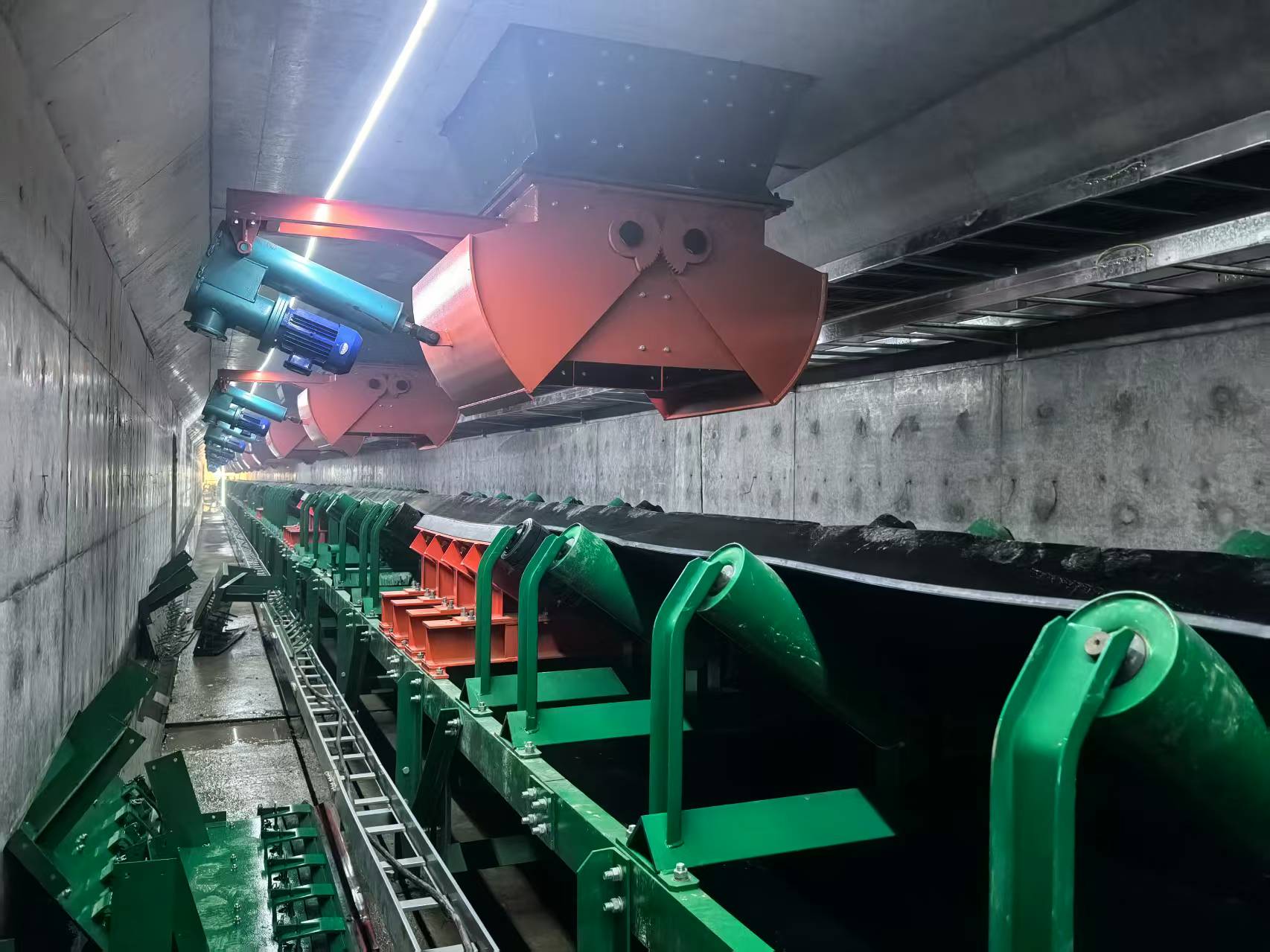
Roller bearings often fail early not because of poor lubrication or contaminated environments, but because the internal geometry of the bearing and its sealing arrangement quietly work against each other. One of the most common design flaws is inadequate roller end guidance, where the roller ends contact the rib with excessive friction or edge loading. This creates localized heat and wear that gradually destroys the lubricant film, leading to smearing and micro-spalling long before the calculated fatigue life is reached.
Seal selection frequently compounds the problem. A seal that is too aggressive for the application can generate high running torque and excessive heat, accelerating grease degradation and causing the bearing to run hot. Conversely, a seal that is too light may allow fine contaminants or moisture to enter, turning the bearing into a grinding paste of abrasive particles. In many designs, the seal lip runs directly on the roller or inner ring without a proper counterface finish, which wears grooves into the surface and reduces sealing effectiveness over time.
Another overlooked weakness is the lack of relief or venting in sealed bearing cavities. As the bearing heats up during operation, internal air pressure builds. Without a path for pressure equalization, the seal can be pushed out of position or deformed, causing lubricant leakage and premature contamination. Redesigning the bearing to include better roller profiling, optimized seal lip contact pressure, and a controlled venting path often extends roller life far more than simply switching to a heavier grease.
Machining Tolerance Standards Worth Checking Before You Commit
Tolerance specs on a drawing look clean until they meet the real world. Before you sign off on a machining job, pull up the actual standard your supplier references—ISO 2768, ASME Y14.5, or a company-specific sheet. A missing perpendicularity callout or a loose flatness band might save money on paper, but it often shifts the cost into assembly, where parts fight each other instead of fitting.
Pay attention to how the tolerance zones stack. A ±0.05 mm profile on a curved surface eats up far more of your design margin than the same number on a flat face. Ask whether the shop interprets dimensions as inches or millimeters, and confirm whether they use the envelope principle or independency—those two approaches can change whether a part passes inspection by a hair or fails outright.
One often-overlooked detail is the tolerance for untreated edges and hole positions relative to cast or forged datums. If the drawing doesn't specify a datum precedence, the machinist will pick whatever is easiest to fixture, and your critical hole pattern might end up square to the wrong face. Get the standard named, the revision dated, and the interpretation agreed in writing—before metal gets cut.
Handling Both High-Volume Orders and Custom Roller Specifications
Large order quantities don't force the shop into a single rigid setup. Production planning groups runs by diameter and material type, so standard rollers flow through high-volume lanes while custom variants take a parallel path without disrupting lead times.
Custom specifications get treated as engineering conversations rather than just paperwork. Tolerances for surface finish, hardness, crown profile, and balance grade are confirmed against the actual drawing before any stock is cut, and a first-article inspection locks in the parameters for the rest of the batch.
When a customer mixes volume orders with tailored designs, the schedule blends both streams. Machine allocation shifts based on batch size, but final inspection, packaging, and traceability remain the same, so a one-off custom roller receives the same documentation as a thousand-piece run.
Pre-Shipment Inspection Steps That Catch Hidden Defects
A real pre-shipment inspection starts with the assumption that your supplier missed something—because they usually have. Instead of running down a generic checklist, pick a random sample from the middle of the carton stack, not the top boxes that were staged for show. Turn the product over, look at the seams, the underside of zippers, the inside of screw holes, the places where cheap manufacturing hides. Run a fingernail along edges that should be smooth, press on panels that shouldn't flex, and open every closure the way an impatient customer would. If a stitch is uneven or a weld looks thin, pull at it. Hidden defects rarely announce themselves.
Functionality is where the real failures surface. Don't just switch the item on—use it for a full cycle or two. For a bag, zip and unzip every pocket ten times with weight inside. For electronics, toggle every button, wiggle every connection, and check the battery compartment for corrosion or loose contacts. Measure the actual dimensions against the spec sheet; a two-millimeter discrepancy in one unit can become a thousand returns when scaled. Weight it, too—a product that feels too light often has cheaper internals that passed visual checks.
Finally, look at the packaging as part of the product. Hidden defects include wrong labels, missing accessories, poorly applied barcodes, and boxes that crush too easily in transit. Open one carton, take everything out, and try to repack it exactly as it came. If the foam insert tears, the polybag is thin, or the manual slips under the flap, that's a defect your customer will blame on the brand—not the factory. Count every screw, cable, and adapter against the packing list. The best inspections catch what would otherwise only show up in a one-star review.
Warranty and After-Sales Support Questions to Raise Early
Before you commit to a purchase, pin down the real scope of the warranty. Ask what the standard coverage includes, how long it lasts, and whether accidental damage or normal wear and tear is excluded. Also check if an extended warranty is worth the extra cost by comparing what it adds beyond the base terms — sometimes it duplicates protections you already get from consumer law or a credit card benefit.
Dig into the after-sales support process rather than just the promise of “coverage.” Find out how you actually reach a service team: is it phone, email, chat, or a local walk-in center? Ask about typical response times, whether the company provides a loaner or replacement while your item is being repaired, and who pays for shipping if the product has to be sent in. If repairs are handled by third-party shops, confirm they use original parts and that the original warranty stays intact.
Finally, raise questions about long-term support that often get overlooked. If the product receives software or firmware updates, will those be included for free, and for how long? And ask whether the warranty is transferable if you decide to sell or gift the item — a yes can significantly boost resale value. Get the key answers in writing so there are no surprises later.
FAQ
Start by looking at their track record with the specific idler type you need. Ask for case studies or references from clients in similar industries—mining, cement, or bulk handling. A trustworthy exporter will be transparent about their production process, from raw steel sourcing to final balancing tests. Don't settle for generic answers; push for details like shell thickness tolerances and bearing brands they use.
Request a pre-production sample and have it inspected by a third-party agency. Check the weld consistency, the fit of the end discs, and whether the roller runs true without wobble. Also ask for test reports—salt spray hours for corrosion resistance, rotational resistance values, and any drop test data. If the exporter hesitates to share these, that's a red flag.
Look beyond a generic ISO 9001 certificate. For idler rollers, relevant standards include CEMA, DIN, or AS/NZS depending on your market. If you're in Australia, check for compliance with AS 1532 or similar. Also see if they can supply rollers that meet specific OEM specs, such as bearing sizes matching major brands like SKF or FAG. Certificates for raw material traceability matter too.
One classic mistake is focusing only on the unit price and ignoring the total cost of ownership—cheap rollers often fail early due to thin shells or poor sealing. Another is not asking about the bearing sealing arrangement; a single labyrinth seal might not survive dusty or wet environments. Also, many buyers skip checking the exporter's minimum order quantity for custom shaft lengths, which can cause delays.
It's often undervalued. A reliable exporter should offer clear warranty terms, typically 12 to 18 months from installation, and be responsive when you report premature failures. Ask how they handle claims—do they require you to ship the failed roller back, or will they accept photo and video evidence? Also check if they stock spare bearings or seals that can be shipped quickly.
Yes, if they specialize in idler rollers rather than treating them as a side product. A smaller shop might offer more flexible customization, like non-standard bracket spacing or special coating options. However, you need to verify their in-house machining and balancing capability, not just assembly. Ask for a video tour of their production line and quality control stations.
Get explicit commitments on how rollers will be protected—individual wrapping, wooden crates, or steel pallets—and whether the exporter uses desiccants to prevent rust during sea freight. Clarify the Incoterms and who bears the risk if rollers arrive bent or corroded. Also ask about lead time variation between peak and off-peak seasons, and whether they can hold inventory for your scheduled releases.
Conclusion
When evaluating a return idler roller exporter, the first thing worth scrutinizing is how they handle raw material selection, because the durability of the roller often hinges on the steel grade, wall thickness, and surface treatment before any machining even begins. A supplier who cuts corners on material is unlikely to compensate with better bearings or seals, and those two areas deserve just as much attention: weak seal design allows contaminants to reach the bearing, while low-grade bearings fail early under misalignment or shock loads. Beyond the components themselves, check whether the manufacturer maintains tight machining tolerances on shaft ends, shell concentricity, and weld quality, since even a small deviation can cause vibration, belt mistracking, or premature shell wear. Rather than asking for a generic datasheet, ask for actual tolerance reports or sample measurements from previous production runs, and pay attention to how candidly the exporter discusses their rejection rates and rework procedures.
A reliable exporter should also be able to handle both high-volume orders and highly custom roller specifications without treating one as an afterthought. If they only push standard sizes, they may not have the engineering flexibility you need for non-standard belt widths, special coatings, or unusual bearing arrangements. On the other hand, if they only pursue one-off custom jobs, their production scheduling might not support steady large-scale supply. Before committing, request a documented pre-shipment inspection process that includes dimensional checks, weld integrity, seal fit, and rotational torque testing, and ask whether an independent third party can witness the inspection if needed. Finally, raise warranty and after-sales support questions early: what exactly is covered if a roller shell cracks or a seal fails within the warranty period, how quickly can they ship replacements, and do they offer on-site failure analysis or just credit notes. The answers to these questions often reveal more about the supplier's real accountability than any brochure or certificate ever will.
Contact Us
Contact Person: Jayce
Email: [email protected]
Tel/WhatsApp: 8615318787602
Website: https://www.yuphengbelt.com/