

Why China High Speed Paper Bag Machines Are Gaining Global Attention
2026-11-17
Ask any packaging buyer why orders for high speed paper bag machines are moving east, and the answer rarely stops at price anymore. China’s builders have closed the gap—tighter tolerances, sharper servo control, and output figures that actually hold up on the floor. That shift is forcing converters in Europe, Southeast Asia, and the Americas to rethink their shortlists. It is also why ROKIN keeps coming up in those conversations. Here, we unpack the engineering, supply chain, and service factors driving the global attention—without the trade-show hype.
A Quiet Shift in Global Sourcing That Favors Speed and Scale
For years, sourcing teams treated the lowest unit cost as the default filter, but that hierarchy is quietly eroding. What now separates suppliers is how fast they can shift production when demand moves, how easily they can add a second line, and how short the lead time is from order to dispatch. Inventory bottlenecks and rising customer expectations have made responsiveness more valuable than a marginal price reduction. Cost still matters, but it increasingly operates as a baseline rather than a deciding factor.
Scale, in this context, no longer means simply placing one enormous order. It means a supplier's ability to sustain output across several product lines, absorb unexpected volume spikes, and keep quality stable while doing so. More brands are choosing to spread production across two or three regional hubs instead of concentrating everything in the cheapest location. The trade-off is real, but the benefit comes in shorter transport distances and fewer single points of failure. A slightly higher unit price often buys a much more predictable pipeline.
The shift has been quiet because it shows up in changing request-for-quote criteria, revised contract terms, and different performance metrics rather than in public announcements. Suppliers that only talk about low prices are gradually losing relevance. Those that can describe flexible capacity, rapid changeovers, and multi-node delivery are the ones moving to the top of the shortlist. Speed and scale together have become the new leverage in sourcing decisions.
When Output Per Hour Becomes the Dealbreaker
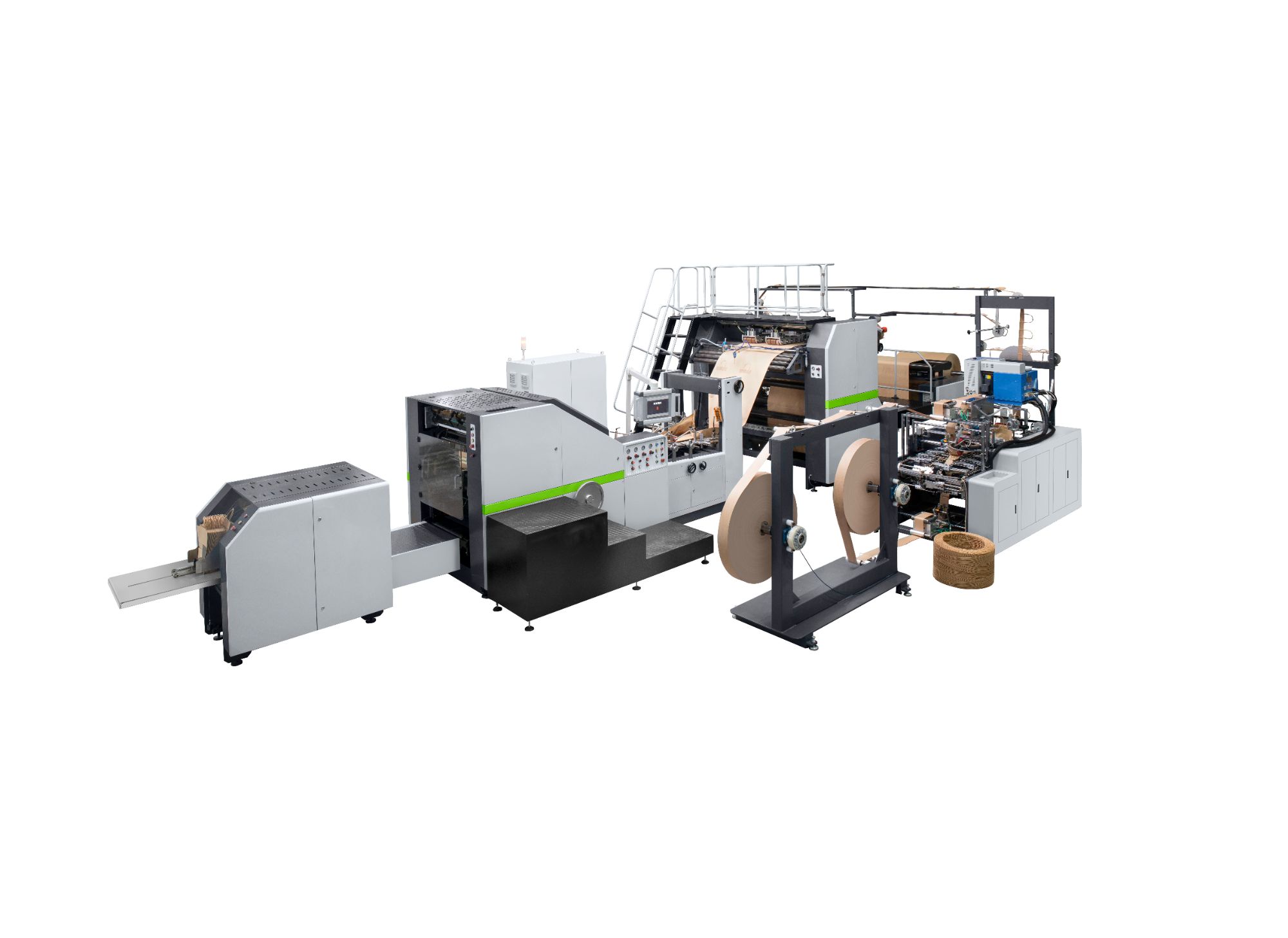
Most teams treat output per hour as a metric you check after the fact, like a scoreboard that confirms what already went wrong. But when it becomes the dealbreaker, it stops being a lagging indicator and starts shaping every decision before work begins. The shift is subtle: instead of asking how much got done, you ask what can be removed so the remaining hours produce without friction. Deadlines stop being arbitrary dates and turn into choices about which tasks deserve the scarce, high-energy blocks of the day.
What makes output per hour genuinely decisive is the moment a team realizes that adding people or extending hours no longer moves the number. That plateau forces a different conversation, one about tooling, handoffs, and the quiet tax of context switching. A small change in how a file is named or how a review gets routed can lift the hourly output more than a dozen motivational meetings. The teams that win are the ones willing to be boring about process, because that is where the real leverage hides.
Eventually, output per hour becomes a filter for what gets built at all. Features that require constant rework or manual oversight stop looking profitable, not because they are bad ideas, but because their hourly cost is invisible until you measure it honestly. The dealbreaker moment is not a crisis; it is a quiet threshold where everyone agrees that speed is not about rushing, but about removing the weight that makes rushing feel necessary.
Why the Lowest Price Is No Longer the Main Reason Buyers Look East
For years, sourcing from Asia carried a simple promise: the lowest unit price on the quote. That logic is fading. More teams now look at what a cheap quote actually costs once freight delays, quality failures, and communication gaps pile up. A supplier that undercuts everyone by 15% can quietly burn that margin through rework, missed deadlines, and inconsistent batches. Procurement departments have learned to read beyond the first number.
The more interesting shift is what buyers now expect from manufacturers in the East. Speed of prototyping, willingness to solve design problems, and clean compliance records often matter more than shaving a few cents off a component. A factory that can suggest a smarter material or adjust tooling within days creates value a low-price rival cannot match. These relationships feel less like vendor transactions and more like embedded development partnerships.
Supply chain shocks also rewired priorities. When a single delayed shipment can idle an entire production line, predictability and transparency outweigh modest savings. Buyers increasingly choose suppliers that offer visibility into capacity, honest lead times, and stable financial health, even if the unit price is higher. Eastward sourcing endures, but the decision now rests on resilience and long-term competence, not just the cheapest sticker.
Smarter Engineering Instead of Trade Show Talk
We would rather put a working prototype in front of you than rehearse another polished pitch. The details that actually matter rarely fit on a banner, so our team spends most of its time in the lab and on the test bench, not smoothing over talking points.
That focus shows up in unglamorous places: a mounting bracket redesigned three times until it stopped rattling, a control loop tuned against real load data instead of a spec sheet, a wiring harness rerouted after a single field failure. None of it makes for a flashy demo, but it does make the equipment predictable when it counts.
If you visit, expect fewer slogans and more torque curves, failure logs, and the occasional unfinished idea we are still testing. We think that trade is worth making.
Delivery Timelines That Are Rewriting Supplier Shortlists
Procurement teams have stopped treating delivery dates as a secondary check. A supplier that can shorten lead times without widening variance is now more likely to survive the first cut, while one that offers a better unit price but a longer, less certain window quietly drops out of the conversation.
The change is most visible in categories where safety stock has been squeezed. Buyers are asking for actual dispatch-to-receipt data rather than quoted ranges, and they keep a closer eye on the gap between promised and delivered. This turns the shortlist into a rolling review of operational reliability, not a static list built from brochures and pitch decks.
Some teams maintain an internal delivery confidence score that weighs recent on-time performance more heavily than capacity claims. When two suppliers look similar on paper, the one with tighter, more repeatable timelines tends to win the available slot before commercial terms are finalized. It is not purely about speed; it is about knowing which dates can actually be trusted.
What Overseas Buyers Discover After the First Machine Arrives
The first surprise is usually not about performance but about paperwork. Once the machine clears the port, buyers realize the original shipping documents rarely match what local customs actually wants to see. Invoices grouped under one line item get questioned, the declared value triggers a second inspection, and the HS code on the packing list doesn't align with the spare parts box. These are not deal-breakers, but they add days and storage fees no one budgeted for.
Then comes the moment the machine is finally unboxed. What looked straightforward in the product video turns out to require a different power connector, a water line adapter, or floor anchors that were never mentioned in the quote. The manual references a controller version that is two firmware generations behind. Buyers quickly learn that the gap between a machine that works in the factory demo and one that works on their floor is filled with small, unglamorous modifications.
Support expectations also get recalibrated. The sales team's same-day response becomes a 12-hour time zone lag once the deal is closed. Engineers who promised remote setup are suddenly unavailable because the network port on the machine isn't enabled by default. Buyers discover that having a local electrician and a few spare fuses on hand matters more than any warranty clause written in the contract.
FAQ
A lot of it comes down to production maturity. Over the past decade, Chinese manufacturers have built machines for a massive domestic market, so the designs have been tested on real factory floors rather than just in catalogs. Overseas buyers are now finding that they can get a machine with servo-driven tension control, automatic gluing and inline punching at a price that leaves room for freight and still undercuts legacy suppliers.
The better builders have moved well beyond the old disposable machine stereotype. Many now use German or Japanese motion components, hardened rollers and modular frames. Buyers who run them 20 hours a day often report that the weak point is operator training or local power stability, not the core mechanical design.
For standard flat and satchel paper bags, realistic figures usually sit between 180 and 400 bags per minute depending on bag width, paper weight and handle style. Machines aimed at grocery sacks with twisted paper handles tend to run slower, while simple flat bags can hit the top of that range. It is worth asking for a video with the buyer's own paper specification, not just factory demo stock.
Most serious exporters now combine remote video diagnosis with regional service partners. Spare parts are often dispatched by air within a few days, and some factories keep a stock of common wear parts in overseas warehouses. The practical difference from a local supplier is that the buyer needs to keep a small inventory of belts, sealing bars or grippers on hand rather than expecting a technician the same afternoon.
That depends heavily on the feeding system. Machines with vacuum-assisted sheet separation and adjustable air blast settings tend to manage recycled and lighter papers well. Older friction feeders struggle. A factory that asks for the buyer's grammage, porosity and stiffness before quoting is usually a better sign than one that promises every material works.
China banned single-use plastics in many cities and saw e-commerce packaging demand spike at the same time. That forced local converters to run paper bags at high volume and low margin, so machine builders had to cut waste, speed up changeovers and make the lines easier to maintain. Those improvements carried over directly to export models.
Many top-tier Chinese manufacturers now build to CE requirements as standard for export, with light curtains, emergency stops and guarded rotating parts. Some also offer UL-compliant control panels for North America. Buyers should still ask for a full technical file and compare the actual component list rather than relying on a logo alone.
They are most compelling for high-volume standard bags, short-to-medium product runs and buyers who want to add capacity without multi-year payback periods. European machines still lead in ultra-high automation, specialized handle types and very narrow tolerance work. The Chinese machines win when the application is stable enough that the buyer does not need a fully bespoke engineering project.
Conclusion
Global packaging buyers are paying attention to high speed paper bag machines from China for reasons that go well beyond the familiar cost story. The shift is quieter and more practical: converters need equipment that can hold a demanding production pace without constant stops, and Chinese manufacturers have focused their engineering effort on output per hour rather than just adding promotional features. A machine that was once judged mainly by its initial quote is now judged by how many clean, properly glued bags it can deliver in a shift, how quickly changeovers happen, and whether the frame and feeding system remain stable at full speed. Buyers in Europe, Southeast Asia and Latin America are noticing that the engineering has moved closer to what they expect from established European names, but with a much shorter route from order to installation. The conversation has shifted from show-floor promises to measurable throughput, and that is what keeps Chinese builders on more shortlists.
Delivery timelines are also changing who gets the order. Some Chinese suppliers now quote lead times that are weeks rather than months, and that matters when a converter has a retail contract with a fixed launch date or needs to replace an older line without losing production. After the first machine arrives, many buyers report that the real surprise is not the price but the level of documentation, remote support and spare parts response. Problems still happen, but the gap between expectation and actual performance has narrowed enough that repeat orders and referrals are becoming common. The attention China is receiving is not driven by a single advantage; it comes from combining speed, scale, practical engineering and faster delivery into a package that fits the way modern bag producers actually buy.
Contact Us
Contact Person: CARA
Email: [email protected]
Tel/WhatsApp: +8619519778302
Website: https://www.rokinmachinery.com