

Wholesale Cosmetic Packaging Containers to Elevate Your Beauty Brand
2026-11-04
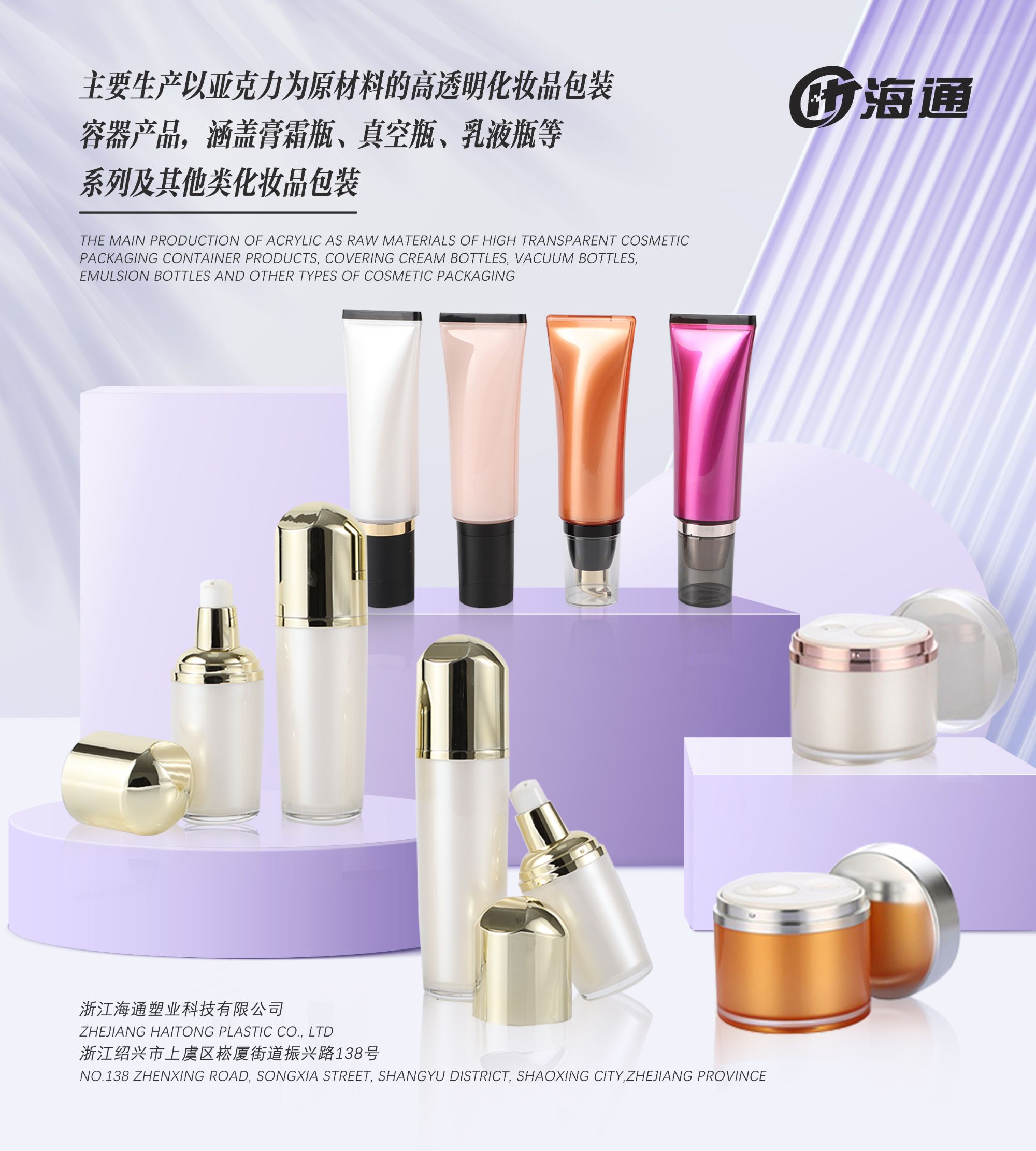
The right packaging doesn't just hold your formula—it sells it. For beauty brands, wholesale cosmetic packaging containers are the fastest way to stand out, cut costs, and build loyalty. With Zhejiang Haitong Plastic Industry Technology Co., Ltd., you can turn ordinary bottles and jars into a signature experience that keeps customers coming back.
The First Thing They Touch Should Feel Like Your Brand
Consider the moment a customer receives a package from your company. Before they see the product, their fingers brush against the outer box. If the cardboard feels flimsy, if the tape is uneven, if the label is smudged, a silent judgment forms. It’s not about luxury—it’s about intention. A textured paper stock, a subtle emboss, or even the weight of the box itself can whisper, “We thought about this.” That first tactile impression lingers longer than any tagline.
This principle extends far beyond e-commerce. Walk into a boutique hotel: the door handle’s cool metal, the slight resistance of the lobby floor underfoot, the fabric of the key card sleeve. Each touch is a conversation. Brands that treat these moments as afterthoughts lose the chance to anchor themselves in the customer’s memory. On the other hand, companies that obsess over the feel of a zipper pull or the grip of a pen create a physical shorthand for their values—durability, playfulness, precision—without saying a word.
The trick is consistency without monotony. Your brand’s touch should adapt to context while keeping a recognizable thread. A coffee shop’s recycled cup might feel rough and warm, matching its earthy ethos, while a tech startup’s app onboarding uses haptics that are crisp and light. Both succeed because they align the first physical or sensory touch with the story already forming in the customer’s mind. Ignore this, and you let a cheap plastic clamshell or a sticky mouse pad write the first chapter of your brand story for you.
Materials That Do the Talking Before the Label Does
Touch a surface and you already know if a brand respects you. The cool weight of a glass bottle, the slight grain of uncoated paper, the dull clink of ceramic instead of hollow plastic—these are quiet signals. They don’t shout “premium” or “eco-friendly.” They just feel like something worth keeping, and that’s a more honest kind of messaging.
Often the most persuasive materials are the ones that age well. Leather that scuffs into character, wood that darkens at the edges, metal that develops a faint patina. These changes tell a story no hang tag can match. They suggest durability not through data but through daily use, turning the product itself into evidence.
There’s also a subtle rebellion in choosing materials that slow things down. Unvarnished cardboard that invites you to touch it, a linen sleeve instead of a glossy box, a cork stopper that must be twisted not popped. These choices ask for a moment of attention before any label is read. That pause, in itself, is the message.
Custom Finishes Without the Custom Timeline
Most finishes force a choice: settle for stock, or wait weeks for something custom. We took a different route. Our process lets you pick from a curated range of textures, tones, and sheens and still ship within days—not months. You get the look of a bespoke job without the back-and-forth that usually comes with it.
The trick is in how we sequence the work. Instead of treating every order as a one-off project, we keep a rotating set of finishing stations ready for small batch runs. That means your doors, panels, or trim can be matched to a specific palette, lightly distressed, or given a soft matte depth without triggering a full production reset. The result feels intentional, not rushed.
You still make the calls—color, grain emphasis, hardware compatibility—but the timeline stays predictable. No endless sampling loops, no eleventh-hour surprises. Just a custom finish that lands when you need it.
Eco-Friendly Options That Keep the Luxury Feel
There’s a quiet shift happening in high-end design, and it has nothing to do with flash. The newest wave of luxury isn’t about excess—it’s about intention. Think organic linen that softens with every wash, recycled cashmere that feels indistinguishable from virgin fiber, and vegetable-tanned leather that develops a patina only time can create. These materials don’t just reduce harm; they elevate the everyday, turning a simple sofa or throw into something you’ll want to keep for decades.
What makes these choices feel indulgent rather than compromising is the attention to detail. Wood sourced from responsibly managed forests, finished with natural oils instead of synthetic lacquers, reveals grain patterns you’d never see under a plastic coating. Low-VOC paints in muted, earthy tones give walls a depth that flat chemical finishes lack. Even the scent of a room changes—no off-gassing, just the subtle warmth of wool and beeswax.
The real luxury, it turns out, is not having to choose between your comfort and your conscience. When a brand invests in closed-loop production or offers repair services instead of planned obsolescence, that’s a promise of quality. You feel it in the weight of a ceramic mug, the smoothness of a bamboo floor, the way a naturally dyed pillow holds its color. It’s a new definition of opulence—one that leaves the planet better, not just your living room.
Thoughtful Details That Make Unboxing Worth Sharing
The first thing fingers touch sets the tone. A tear strip with just enough resistance, a flap that folds back without fighting, a seed paper insert that can be planted later - these small choices register before the product even appears. They turn a routine task into a quiet moment of discovery.
Include something the camera wants to find. A handwritten note with the buyer's name, a small print tucked under the tissue, or a scent that escapes when the box opens gives people a reason to stop and frame a photo. It doesn't need to be loud; understated details often get shared because they feel personal, not staged.
End with a detail that extends beyond the box. A sturdy sticker, a postcard with a recipe or playlist, a cloth wrap instead of plastic - when the packaging has a second life, the unboxing becomes a story worth telling. People share things that make them feel like they found something, not just received it.
The Right Container Can Shift Your Brand's Perceived Value
Most brands obsess over labels, logos, and color palettes, yet overlook the one element customers physically touch first: the container. A flimsy box or a generic bottle quietly whispers “cheap” before a single word is read. Switch to a heavier glass jar with a matte finish, or a rigid carton with soft-touch lamination, and that same product suddenly feels considered, deliberate, and worth more.
The shift isn’t about spending wildly on packaging—it’s about matching the container to the promise. A craft spirit in a standard wine bottle gets lost on the shelf; in a shorter, wider flask with a real cork, it becomes a discovery. Even small changes, like a snug-fitting lid or a subtle embossed texture, signal that someone paid attention to the whole experience, not just the contents.
Customers rarely articulate why they reach for one item over another, but their hands remember. A well-chosen container creates a sense of substance that lingers after the box is opened, making the brand feel more premium, more trustworthy, and often justifying a higher price point without a single word of explanation.
FAQ
We carry a broad range including airless pump bottles, lotion dispensers, jars, tubes, dropper bottles, and compacts. Whether you need something sleek for serums or sturdy for body butters, there's a style that fits most product lines.
Absolutely. You can add your logo through screen printing, hot stamping, or labeling, and we can match custom colors on caps, bottles, and jars. It's a straightforward way to make the packaging feel entirely yours.
Yes, we offer recycled plastics, glass, bamboo accents, and refillable designs. If you're aiming for a greener brand image, these options give you a solid starting point without compromising on look or function.
MOQs vary by item, but most of our stock containers start around 500 pieces per style. For custom molds or special finishes, the quantity usually goes higher—often a few thousand units.
Start by thinking about the formula's texture and sensitivity. Airless pumps work well for vitamin C serums, while jars are better for thick creams. Also consider the user experience: easy-to-open caps and travel-friendly sizes can make a real difference.
Yes, sample requests are encouraged. You can test the weight, feel, and compatibility with your product before committing to a larger order. Just reach out with the specific items you're interested in.
Packaging is often the first physical touchpoint a customer has with your product. A well-chosen container with a premium finish or unique shape signals quality and can justify a higher price point, making your brand more memorable on the shelf.
Conclusion
Packaging rarely gets the credit it deserves, but it is the first physical handshake between your beauty brand and a customer. When someone picks up a jar or tube, that initial weight, texture, and even the soft click of a closure tell a story before any logo is read. Choosing wholesale cosmetic containers with materials like heavyweight glass, brushed aluminum, or matte bio-resins means the object itself does the persuading. A custom finish—soft-touch coating, metallic gradient, or a tinted edge—can feel bespoke without waiting months for tooling. And with modern supplier options, you can get these details on stock shapes, so the timeline stays short but the result looks anything but off-the-shelf.
Eco-conscious choices no longer have to compromise on that high-end feel; recycled PET, bamboo caps, and refillable systems can hold their own next to traditional luxury packaging. The details that matter most are often the ones customers notice only subconsciously: a perfectly aligned inner seal, a well-weighted base, an insert that keeps the product stable. These touches turn a routine unboxing into something people film for social media. When the container feels expensive and deliberate, the product inside inherits that value. A well-chosen wholesale container doesn't just hold your formula—it quietly raises what people are willing to pay for it.
Contact Us
Contact Person: Kara Yang
Email: [email protected]
Tel/WhatsApp: 8618857568397
Website: https://www.haitongplastic.com/