

Unlocking Insights: Detailed Shipment Data Analytics for Business Growth
2026-04-05
In today's fast-paced global market, businesses are increasingly turning to data-driven strategies to navigate challenges and seize opportunities. At the heart of this transformation lies the power of shipment data analytics, offering unparalleled insights into logistics, supply chains, and customer behavior. In this blog, we'll delve into how detailed shipment data can unlock hidden opportunities for growth, from optimizing operations to enhancing decision-making. As we explore these compelling insights, we'll also highlight the innovative tools and approaches, including those from Tendata, that are reshaping how companies harness this valuable resource. Get ready to discover actionable strategies and real-world examples that will inspire you to leverage data for a competitive edge.
Unveiling Shipment Patterns for Enhanced Decision-Making
By revealing underlying shipment trends and anomalies, businesses can gain a deeper understanding of their logistics operations, pinpointing inefficiencies such as recurring delays or cost spikes. This analysis goes beyond basic tracking, transforming raw data into actionable insights that highlight key performance indicators, like on-time delivery rates and route optimization opportunities.
Leveraging these patterns empowers decision-makers to forecast demand more accurately, adjust inventory levels proactively, and negotiate better terms with carriers based on historical performance. For example, identifying seasonal fluctuations can help in stockpiling resources ahead of peak periods, reducing the risk of stockouts and improving customer satisfaction through reliable fulfillment.
Ultimately, this approach fosters a data-driven culture where strategic choices are informed by concrete evidence, leading to streamlined supply chains and enhanced competitive advantage. It shifts the focus from reactive problem-solving to proactive planning, enabling companies to adapt swiftly to market changes and drive sustained operational excellence.
Leveraging Data to Optimize Logistics and Reduce Costs
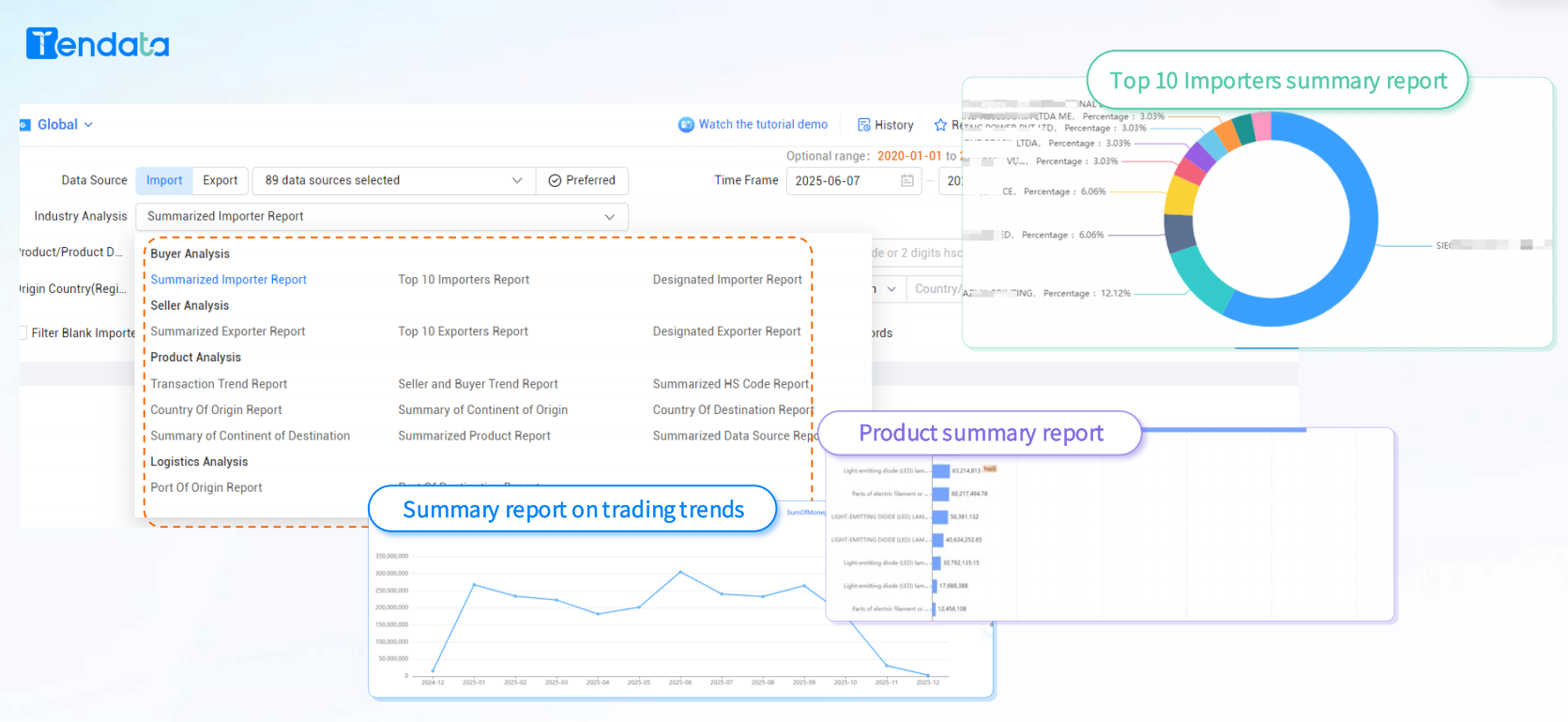
Think about the last time you tracked a package online—those real-time updates didn't appear out of thin air. They stem from a robust data ecosystem that logistics companies now harness to foresee delays and reroute shipments seamlessly. By analyzing historical traffic patterns, weather forecasts, and even social media chatter about road conditions, businesses can proactively adjust their strategies. This predictive approach doesn't just keep customers informed; it slashes fuel costs by minimizing idle time and reduces warehousing expenses through tighter inventory controls. The result? A leaner supply chain that adapts on the fly, turning potential chaos into a well-oiled machine.
Beyond mere tracking, data dives deep into operational inefficiencies that often go unnoticed. For instance, machine learning algorithms can sift through thousands of delivery routes to identify patterns where drivers make unnecessary stops or face recurring bottlenecks. By optimizing these paths, companies cut down on mileage and wear-and-tear on vehicles, translating directly into lower maintenance bills and fewer carbon emissions. Moreover, real-time sensor data from trucks—monitoring everything from tire pressure to engine performance—helps preempt breakdowns, avoiding costly emergency repairs and keeping goods moving without hiccups.
But it's not all about the big, flashy tech; sometimes, the most impactful insights come from granular customer feedback and sales data. By correlating delivery times with customer satisfaction scores, logistics firms can pinpoint exactly where speed or reliability drops off, allowing for targeted improvements. This fine-tuning leads to fewer returns and repeat orders, bolstering loyalty while trimming overhead from complaint handling. In essence, data transforms logistics from a cost center into a strategic asset, where every byte analyzed contributes to a smoother, thriftier operation that outpaces competitors stuck in traditional methods.
Transforming Raw Data into Actionable Business Intelligence
Businesses today are flooded with data from various sources—sales records, customer feedback, social media interactions, and operational metrics. However, without effective processing, this raw data often remains untapped, like a treasure chest left unopened. The challenge lies in not just collecting data but converting it into clear, strategic insights that drive real-world decisions.
The transformation process involves cleaning and structuring raw data to remove inconsistencies, followed by analysis using tools and techniques that reveal patterns and trends. For example, a retailer might analyze purchase history data to identify which products are most popular during specific seasons. This step-by-step refinement ensures that data becomes reliable and meaningful, moving from chaotic numbers to a coherent story about business performance.
Ultimately, actionable intelligence is about turning these insights into concrete steps—such as adjusting marketing campaigns, optimizing supply chains, or enhancing customer experiences. By prioritizing this transformation, companies gain a competitive edge, making decisions not on gut feelings but on evidence-based intelligence that supports growth and innovation in a dynamic market.
Driving Growth Through In-Depth Supply Chain Analytics
Many businesses today recognize that supply chains are more than just logistical backbones; they're dynamic ecosystems ripe with untapped potential. By diving deep into supply chain analytics, companies can uncover patterns and insights that go beyond basic cost-cutting. For instance, analyzing real-time data from multiple touchpoints—from raw material sourcing to last-mile delivery—allows organizations to predict disruptions before they escalate, optimize inventory levels with precision, and even tailor customer experiences based on shipment trends. This proactive approach transforms traditional operations into strategic advantages, fostering resilience and agility in an ever-changing market.
What sets in-depth analytics apart is its ability to drive tangible growth metrics, not just operational tweaks. By leveraging advanced tools like machine learning and predictive modeling, businesses can identify new revenue streams, such as premium services for faster deliveries or bundling options based on consumption data. A beverage company, for example, might use analytics to forecast regional demand spikes, enabling targeted marketing campaigns that boost sales by 20%. This isn't about chasing efficiency in isolation; it's about aligning supply chain insights with broader business goals to fuel expansion and customer loyalty.
Ultimately, embracing a culture of data-driven decision-making can redefine a company's competitive edge. When teams across departments—from procurement to sales—have access to actionable analytics, collaboration improves, leading to innovations like sustainable sourcing initiatives that appeal to eco-conscious consumers. The key is to view supply chain analytics not as a static report but as a living framework that evolves with market shifts, continuously uncovering opportunities to scale operations and enhance brand value in ways that resonate with both stakeholders and end-users.
Identifying Key Performance Indicators for Better Efficiency
In today's fast-paced business environment, pinpointing the right Key Performance Indicators (KPIs) is crucial for driving efficiency. It's not just about tracking numbers; it's about selecting metrics that genuinely reflect progress towards your goals. By focusing on KPIs that align with strategic objectives, organizations can cut through the noise and zero in on what truly matters, leading to more informed decision-making and streamlined operations.
To stand out, avoid the common pitfall of adopting generic KPIs that don't suit your unique context. Instead, tailor your indicators to specific processes or departments, ensuring they're actionable and measurable. For instance, in a customer service setting, a KPI like "average resolution time" might be more impactful than just tracking response rates, directly linking to better resource allocation and enhanced service quality.
Beyond selection, regularly reviewing and refining KPIs is key to maintaining relevance. As business needs evolve, so should your metrics, allowing for continuous improvement and adaptation. This dynamic approach helps prevent stagnation and keeps efforts focused on high-impact areas, ultimately fostering a culture of efficiency and innovation.
Harnessing Analytics to Predict Trends and Adapt Strategies
In today's fast-paced digital environment, the ability to analyze data isn't just a nice-to-have—it's essential for staying ahead. By leveraging analytics, organizations can sift through vast amounts of information to identify emerging patterns before they become mainstream. This proactive approach allows businesses to anticipate market shifts, customer behaviors, and even potential disruptions, giving them a competitive edge that reactive strategies simply can't match. For instance, a retail company might use predictive models to forecast seasonal demand spikes, adjusting inventory and marketing efforts accordingly to maximize revenue while minimizing waste.
What sets effective analytics apart is its integration into daily decision-making processes. Rather than treating data as a separate silo, forward-thinking teams embed analytical insights into their strategic planning, enabling real-time adjustments. This agility means that when a trend starts to gain traction, companies can pivot quickly—whether by launching new products, tweaking service offerings, or reallocating resources. By continuously monitoring key performance indicators and external signals, organizations foster a culture of adaptability, where strategies evolve in response to live feedback rather than static annual plans.
To truly harness analytics for trend prediction, it's crucial to combine quantitative data with qualitative context. Numbers alone might point to a rise in online engagement, but understanding why—through customer feedback or social listening—adds depth to the forecast. This holistic view helps avoid pitfalls like chasing fleeting fads and instead supports sustainable growth. As tools like machine learning advance, the precision of these predictions improves, empowering businesses to not just follow trends but shape them. Ultimately, this blend of insight and action transforms raw data into a strategic asset, driving innovation and resilience in an ever-changing landscape.
FAQ
By analyzing detailed shipment data, businesses can identify trends, optimize logistics, and reduce costs, leading to improved customer satisfaction and increased revenue.
Insights include delivery time patterns, carrier performance, route efficiency, and customer location preferences, helping businesses make informed decisions.
Challenges include data integration from multiple sources, ensuring data accuracy, and interpreting complex datasets without specialized tools.
It allows businesses to track delivery reliability, address delays proactively, and personalize shipping options, enhancing the customer experience and loyalty.
Essential tools include data visualization software, real-time tracking systems, and predictive analytics platforms to process and act on data insights.
Yes, by analyzing historical data, businesses can predict demand fluctuations, plan inventory, and adjust shipping strategies to meet upcoming demands efficiently.
Conclusion
By delving into detailed shipment data analytics, businesses can unlock transformative insights that drive growth and efficiency. Unveiling shipment patterns through comprehensive analysis allows for enhanced decision-making, as organizations move beyond surface-level tracking to identify trends and anomalies in their logistics operations. This deep dive into data enables companies to leverage these findings to optimize logistics and reduce costs, transforming raw data into actionable business intelligence that informs strategic adjustments. The process involves identifying key performance indicators for better efficiency, ensuring that every aspect of the supply chain is scrutinized and improved upon.
Furthermore, harnessing advanced analytics empowers businesses to predict trends and adapt strategies proactively, rather than merely reacting to past events. This forward-looking approach, driven by in-depth supply chain analytics, fosters resilience and agility in a competitive market. By integrating these insights, companies can continuously refine their operations, leading to sustained growth and a stronger competitive edge. Overall, detailed shipment data analytics serves as a critical tool for unlocking insights that not only enhance day-to-day operations but also fuel long-term business expansion and success.
Contact Us
Contact Person: Grace
Email: [email protected]
Tel/WhatsApp: +86 18721992033
Website: https://www.tendata.com