

Top Water Production Line Manufacturer: Expert Insights into Bottling Efficiency
2026-06-19
In the fast-paced world of beverage manufacturing, achieving top-tier bottling efficiency isn't just a goal—it's a necessity. From precision filling to seamless packaging, every second counts. That's why choosing the right partner matters. At INTOP Machinery, we've spent years refining water production line solutions that balance speed, accuracy, and sustainability. In this article, we'll unpack the expert insights that separate industry leaders from the rest, revealing what truly drives performance in modern bottling operations.
Streamlined Filling Systems That Cut Downtime
Downtime in filling operations is more than just a pause—it’s a direct hit to your output and bottom line. Every minute a line sits idle chips away at delivery schedules and strains resources. Streamlined systems flip this script by weaving smarter design into the very fabric of the equipment, slashing those costly interruptions without piling on extra complexity.
What sets these systems apart is a focus on real-world usability. Quick-release mechanisms replace time-consuming tooling, while self-diagnosing sensors catch wear before it spirals into a breakdown. Even routine tasks like cleaning or format changes become almost effortless, shaving hours off what used to be a full day’s headache. It’s about turning potential roadblocks into non-events.
The ripple effect is unmistakable: higher throughput, less wasted material, and teams that can actually plan around predictable run times instead of firefighting. In practice, one beverage plant saw a 22% jump in line efficiency simply by adopting a filler with integrated wash-down cycles and modular components. That’s the quiet power of a design that puts uptime first, not as an afterthought but as the engine of the whole operation.
Smart Integration of Purification and Packaging
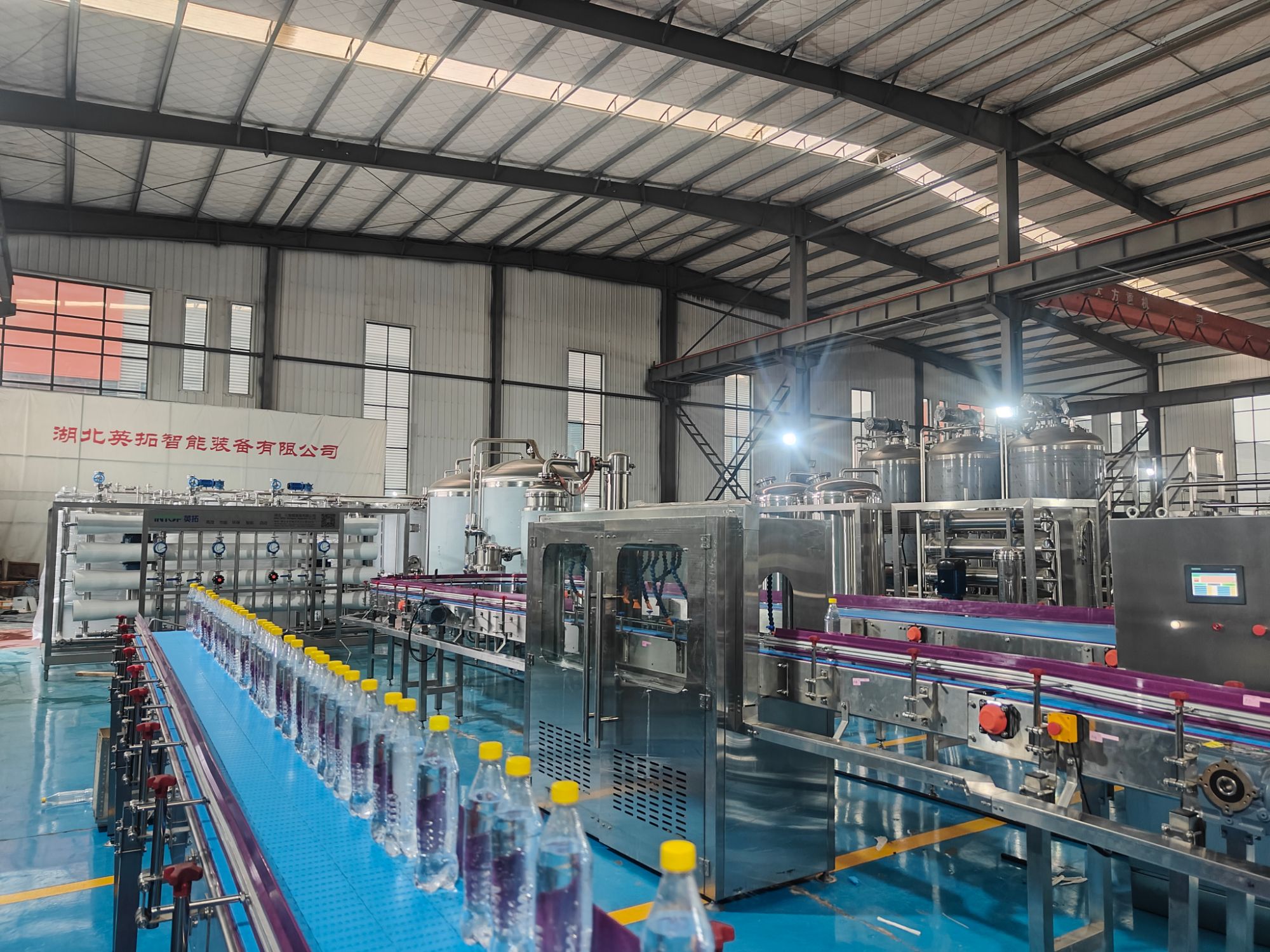
Bringing purification and packaging into a single, continuous workflow slashes the time products spend in limbo between stages. Instead of separate cleanrooms and stop-start transfers, inline filtration and sealing happen back-to-back under consistent conditions. That means fewer opportunities for particulate contamination and a noticeably tighter moisture barrier in the final package.
Adaptive sensors and modular skids are quietly reshaping how we think about production lines. A line that adjusts its sterilization cycle based on real-time purity readings doesn't just save energy—it catches drift before it becomes a quality issue. Operators can fine-tune settings for different product viscosities or pack formats without tearing down the whole setup.
The payoff isn't just technical; it shows up on the balance sheet. Lower cleaning costs, less product held in buffer tanks, and far fewer batch rejects compound quickly. For companies navigating stringent regulatory audits, having a closed, verifiable process from purification through to the final seal makes documentation simpler and compliance less of a scramble.
Energy-Saving Designs for Continuous Operation
Continuous operation often bleeds energy through overlooked inefficiencies—motors running at fixed speeds, pumps throttled by valves, fans cycling unnecessarily. Retrofitting with variable frequency drives allows equipment to match output to actual demand, slashing consumption without compromising process stability. Simple adjustments like right-sizing components and eliminating override controls can trim base loads by double-digit percentages, paying back the investment within months.
Thermal integration offers another low-hanging fruit. Cascading waste heat from exhaust streams to preheat incoming fluids or regenerating energy through heat exchangers reduces the burden on boilers and chillers. In many plants, a pinch analysis reveals that up to 40% of thermal input is simply discarded. Capturing even a fraction of that can transform a facility’s energy footprint, particularly in 24/7 operations where steady-state conditions favor recovery.
Beyond hardware tweaks, intelligent scheduling and load shedding during off-peak hours prevent costly surges. Modern automation platforms, leanly programmed, allow for dynamic power management without human intervention—dimming lighting in unoccupied zones, idling conveyors, or sequencing high-draw equipment. These strategies keep the line moving while dipping below utility thresholds that trigger peak demand charges, embedding savings into the rhythm of continuous production.
Real-Time Monitoring to Prevent Bottlenecks
Bottlenecks can cripple even the most well-designed systems, often surfacing under unexpected loads or during peak usage. Real-time monitoring offers a direct way to catch these slowdowns early, rather than waiting for user complaints or system crashes. By watching key metrics continuously—like processing queues, memory consumption, or transaction times—teams can spot trouble before it spirals.
The core of this approach lies in setting up alerts that trigger when performance drifts outside normal boundaries. Instead of static thresholds, many setups now use adaptive baselines that learn typical behavior, flagging anomalies that might indicate a developing bottleneck. This could be a sudden spike in database response time or a build-up in a message queue that isn't clearing fast enough.
Beyond just preventing outages, real-time visibility into system flow helps teams understand how their architecture behaves under stress. It turns guesswork into actionable data, allowing for quick adjustments like scaling resources, rerouting traffic, or tuning configurations. In the end, it's about keeping services reliable without needing a crisis to prompt improvement.
Material Choices That Boost Speed and Hygiene
Opting for a dense, non-porous surface like tempered glass or polished stainless steel immediately eliminates the tiny crevices where bacteria love to hide. A quick wipe-down is all it takes to restore a pristine working area, which means less time spent scrubbing between tasks and a much faster rhythm during meal prep. The inherent smoothness also prevents food particles from clinging stubbornly, so you’re not transferring yesterday’s garlic into today’s fruit salad.
Materials with natural antimicrobial properties, such as bamboo or certain copper alloys, take hygiene a step further by quietly fighting odors and microbes on their own. They stay fresher for longer without needing constant harsh chemical treatments, reducing the maintenance that drags out your routine. Pair that with a lightweight, ergonomic build, and you get a tool that not only keeps things clean but actually moves with you — sharpening your pace without any extra effort.
Adaptive Layouts for Rapid Format Changes
Designing pages that can gracefully shift between different content formats is no longer a luxury—it's a necessity. Adaptive layouts rely on fluid grid systems and flexible components that reconfigure themselves automatically when new data types or media are introduced. Instead of hard-coding fixed structures, we use CSS Grid and Flexbox with smart fallbacks, ensuring that whether you're swapping a long-form article for a photo gallery or embedding an interactive chart, the surrounding interface adapts without breaking. This approach minimizes manual overrides and keeps the visual rhythm intact, even during unexpected content swaps.
Behind the scenes, a combination of container queries and utility classes dynamically adjust spacing, typography, and element visibility based on the actual content dimensions, not just viewport size. For instance, when a dense data table replaces a simple list, the layout expands appropriately without crowded columns or clipped text. Design tokens synchronized across components maintain consistency, while conditional rendering logic ensures that navigation and sidebars never interfere with the primary content. The result is a system that feels tailor-made for each format change, yet requires no redesign.
What truly sets adaptive layouts apart is their ability to preserve user context during rapid transformations. Animations are carefully choreographed to avoid disorienting jumps, preserving scroll position and focus states. Edge cases like empty states, loading skeletons, and multilingual content length variations are pre-accounted for, so the transition feels seamless rather than jarring. By treating format changes as part of the core design language rather than exceptions, we create interfaces that are both resilient and delightful, ready to accommodate future content types without missing a beat.
FAQ
A leading manufacturer stands out through a combination of precision engineering, minimal downtime, and adaptive line speeds. The real differentiator is their ability to integrate energy-saving features without compromising output, along with proactive maintenance protocols that keep operations running smoothly even under high demand.
Advanced lines often incorporate closed-loop rinsing systems and low-pressure air conveyors, drastically cutting water and electricity use. For instance, dry lubrication on conveyors and variable-frequency drives on motors adjust resource consumption in real time, ensuring efficiency aligns with actual production needs rather than running at full throttle constantly.
Beyond basic filling and capping, smart automation uses sensor fusion to self-correct fill levels mid-cycle and predict maintenance needs. This minimizes human intervention, reduces giveaway, and slashes changeover times between bottle sizes, enabling a single line to handle multiple SKUs with ease.
Sanitary design isn't just about cleanliness—it prevents biofilm buildup that can slow production and trigger frequent stoppages. Smooth, crevice-free surfaces and automated CIP systems allow for faster cleaning cycles, so the line spends more time in production and less time in sanitation, directly improving overall equipment effectiveness.
Look for modular architectures that allow easy upgrades, such as adding a new labeler or switching from cold-fill to ambient-fill without a complete overhaul. Manufacturers that provide remote diagnostics and ongoing software updates also help the line evolve with market trends and regulatory changes.
Speed of spare parts delivery and access to experienced technicians can make or break a line's uptime. The best manufacturers offer localized support hubs, training programs for your staff, and performance audits that identify hidden bottlenecks, turning support from a reactive fix into a continuous improvement driver.
One notable advancement is volumetric electronic filling controlled by magnetic flow meters, which guarantees accuracy down to ±0.5% without needing to pause for adjustments. Combined with lightweight neck-handling systems, lines now reach 80,000 bottles per hour while reducing plastic usage and energy per bottle, something that was unheard of a decade ago.
Many focus solely on upfront costs and nominal speed, overlooking layout constraints and utility requirements. A common pitfall is not accounting for future scalability, leading to expensive retrofits. Inviting manufacturers for a site audit before purchase and requesting a detailed total cost of ownership projection helps avoid these costly oversights.
Conclusion
In the competitive bottled water industry, top-tier production lines distinguish themselves by seamlessly blending purification with packaging right from the start. Instead of treating these as separate stages, the best designs use streamlined filling systems that slash downtime and keep bottles moving. Smart integration means water treatment flows directly into high-speed fillers without bottlenecks, while energy-saving components ensure continuous operation without excessive power draw. The result is a line that hums along efficiently, turning raw water into sealed product with minimal waste.
Behind that smooth exterior, real-time monitoring plays a key role in preventing jams before they happen. Sensors and software track every step, flagging potential snags and letting operators adjust on the fly. Material choices matter too—conveyor surfaces and contact parts selected for both speed and hygiene cut contamination risks and speed up line changes. Adaptive layouts round out the package, allowing a single line to switch between bottle sizes and formats in minutes. These insights from leading manufacturers show that efficiency isn’t about one big fix but a harmony of smart, practical decisions that keep production flowing while meeting strict quality standards.
Contact Us
Contact Person: Laura
Email: [email protected]
Tel/WhatsApp: +86 13957758832
Website: https://www.intopmachinery.com