

Top Solar Carport Mounting System Manufacturers in China You Should Know
2026-08-29
China has quietly become the global powerhouse behind solar carport mounting systems, but finding a manufacturer you can actually trust isn't as simple as scrolling a supplier list. From structural engineering to corrosion resistance, the details separate long-term performers from one-off vendors. In this roundup, we spotlight the names that consistently deliver—including Egret Solar, a brand that's been gaining attention for its practical, field-proven designs. Here's who to watch before you commit to your next project.
What Actually Makes a Chinese Carport Mount Manufacturer Worth Knowing
Most suppliers can copy a drawing. The ones worth knowing can tell you why a purlin spacing changes when snow load jumps from 1.2 kPa to 1.8 kPa, or why a certain base plate thickness is non-negotiable once the carport sits in a coastal wind zone. That level of structural instinct comes from hundreds of built projects, not from a product catalog. You see it in the way they ask about your local design code before quoting, in the way they flag uplift issues on a single-slope canopy, and in the way their shop drawings include torque values and drainage slope notes instead of just component lists.
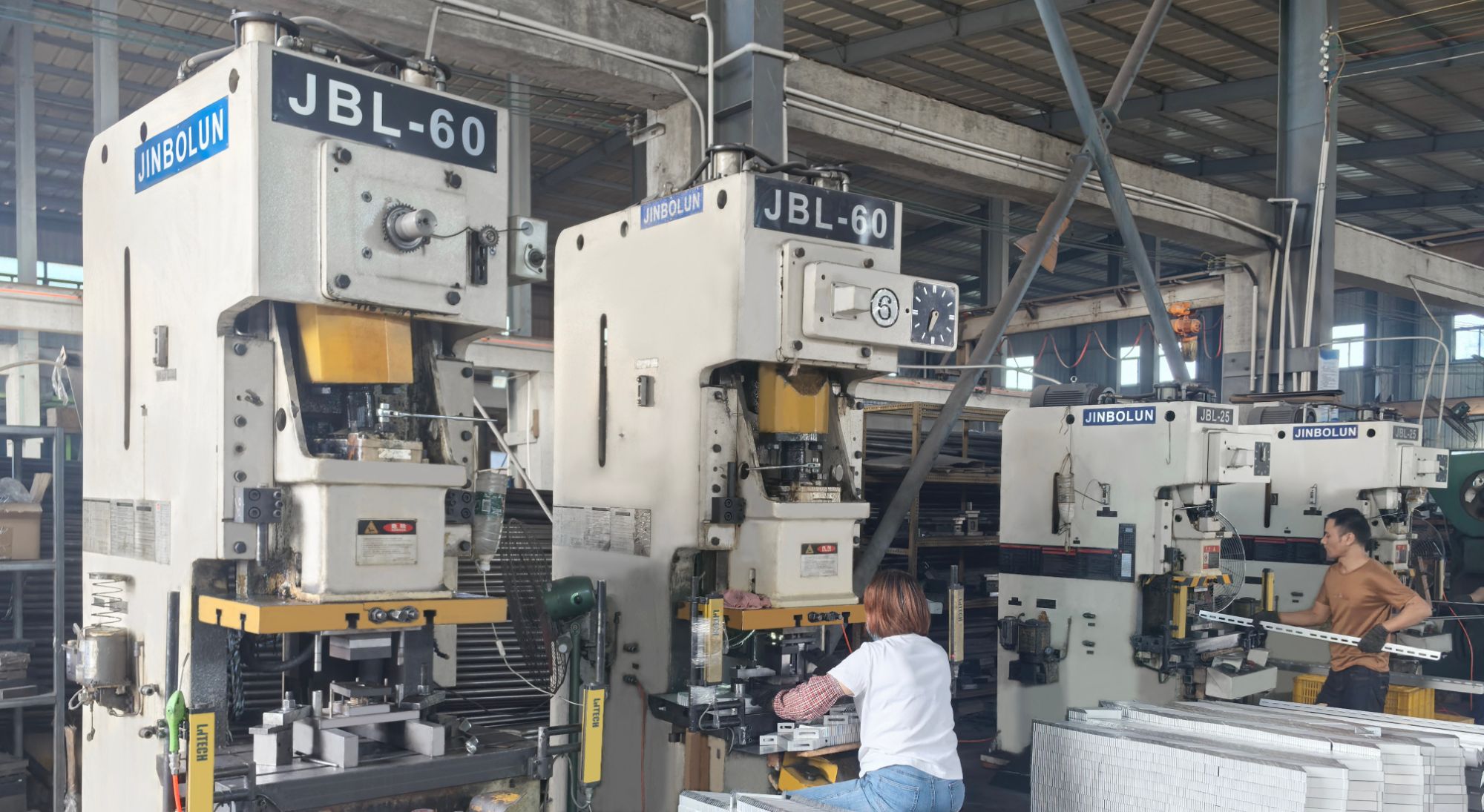
Material traceability is another quiet differentiator. A factory that keeps heat number records for its steel coils, applies hot-dip galvanizing to a consistent minimum coating weight, and can name the salt spray hours their fasteners survived is not the same as one that buys whatever channel is cheapest that month. Add to that a willingness to do small-batch pre-assembly before mass production, and you have a manufacturer who treats a carport mount as an outdoor load-bearing system rather than a bundle of punched metal.
Design Choices That Improve Both Aesthetics and Structural Integrity
A common mistake is treating visual appeal and load-bearing performance as separate concerns, but the most satisfying structures emerge when the two are developed together. Subtle adjustments, like tapering a column or adding a gentle curve to a beam, can redistribute stress more evenly than a plain rectangular profile. These refinements often require no extra material, yet they make the piece feel lighter and more intentional while quietly increasing its resistance to bending or buckling.
Materials with visible grain or texture can serve a double purpose when oriented with care. Running the strong axis of wood along the primary load path, for instance, not only shows off the natural figure but also aligns with the direction of greatest stiffness. In metalwork, strategically placed ribs or flanges can break up a large flat surface, adding visual rhythm while simultaneously preventing deflection. The key is to treat every line and surface as an opportunity to guide forces rather than simply decorating an already resolved frame.
Joints are another place where good design pays off in both appearance and strength. A well-proportioned connection, whether it is a dovetail, a welded bracket, or a lashed crossing, can become a focal point instead of something to hide. By shaping the joint to follow the flow of tension and compression, the structure gains integrity at its weakest point, and the assembly reads as honest and composed. These choices accumulate, so that a piece ends up feeling inevitable—not just sturdy, but clear in how it stands.
How Top Suppliers Engineer for Extreme Wind, Snow, and Salt Spray
Top suppliers treat coastal and alpine conditions as design drivers rather than afterthoughts. For wind loads, they move beyond basic pressure ratings by reinforcing corner brackets, specifying thicker mullions, and running full-scale dynamic tests on completed assemblies. Snow retention gets equal attention. Instead of relying on standard slope assumptions, they calculate drift patterns and use interlocking seams that prevent ice dams from prying panels apart.
Salt spray is often the first failure point, so leading engineers replace exposed fasteners with marine-grade stainless or coated alloys, isolate dissimilar metals with thermal breaks, and apply multi-layer PVDF finishes that resist chalking. They also design drainage channels that flush chloride residue away from seals, extending service life in shorefront installations.
What makes these suppliers stand out is their willingness to test full systems, not just components. A typical qualification program includes cyclic corrosion chambers, wind tunnel runs at 1.5 times the specified load, and outdoor exposure on actual coastal sites for at least two winters. That kind of overengineering keeps failures rare and maintenance intervals long.
From Billet to Bundle: A Look Inside the Production and Cost Chain
The journey starts with a billet fresh from the continuous caster, still carrying the heat of solidification. That thermal energy is both a blessing and a cost driver—reheating furnaces have to bring each piece to a precise rolling temperature, and every minute of gas firing adds to the tally. Operators tend to push for larger batch sizes to spread the furnace overhead, but that creates its own trade-off: longer queue times and more scale formation on the billet surface, which later has to be ground or pickled away.
Once the billet enters the rolling mill, the cost chain tightens around a sequence of passes that turn a square cross-section into wire rod, bar, or light sections. Each stand bites into the hot metal, and with every reduction, the energy input climbs, rolls wear down, and lubrication becomes non-negotiable. Downtime for roll changes eats into margin because the mill is either rolling or losing money; plant managers often track cost per tonne through the mill rather than per shift to catch hidden inefficiencies. A billet with internal defects or poor surface quality doesn't just fail later—it can jam a guide or scar a roll, cascading into unscheduled maintenance that no spreadsheet predicts.
After cooling, straightening, and cutting to length, the product is gathered into bundles. This final stage looks simple but hides a surprising amount of cost: banding straps, corner protectors, wooden dunnage, and the labor to stack and weigh each lift. A bundle that shifts during transport can trigger a claim, so the strapping tension and pattern become small engineering decisions in their own right. The real art is matching bundle weight and dimensions to what the downstream customer can handle without extra crane time or re-bundling, because a mismatched bundle often means the producer absorbs the cost of rework before it ever reaches the next factory floor.
Common Customization Scenarios for Commercial and Residential Carports
Homeowners rarely want a standard metal box bolted to the side of the house. Common residential requests include matching the roof pitch and shingle color to the existing home, extending the carport depth to cover a boat or small utility trailer, and adding partial side walls for privacy without blocking the breeze. In warmer climates, many clients ask for integrated ceiling fans or a screened opening, turning the carport into a shaded workspace or outdoor dining spot during the long summer months.
On the commercial side, the list shifts toward function and fleet needs. Businesses often need taller clearances for delivery vans, wider bays for trucks with extended mirrors, or gabled roofs that handle snow drift without extra support columns cluttering the drive lane. A growing number of property managers are also using carports as covered staging areas for electric vehicle charging stations, with conduit runs and lighting planned into the frame from day one instead of being retrofitted later.
Then there are the mixed-use and specialty jobs. A medical office might want a carport that doubles as a patient drop-off canopy with a clear span entrance, while a farm supply store could need one side left completely open for forklift access to pallet racks. Multi-family residential complexes often request a series of smaller carports arranged around courtyard spaces, each unit angled slightly to follow the property line. These scenarios rarely fit a pre-designed kit, so the most practical approach is to start with load calculations, local wind and snow requirements, and a clear list of what has to move under the roof every day.
The Paperwork and Proof Behind a Trustworthy Mounting System Factory
A trustworthy mounting system factory rarely asks you to simply take its word. The confidence comes from a trail of documents that map every claim back to a verifiable source. Material certificates show exactly which heat or batch the steel came from, while weld procedure specifications and operator qualification records confirm that the people joining components were tested, not just trained on the job. When a supplier can hand over these files without hesitation, it usually means their production process has nothing to hide.
Beyond the basics, look for proof that the factory's own testing aligns with independent checks. Reports from accredited laboratories—covering load capacity, corrosion resistance, and fatigue behavior—add weight that internal quality logs alone cannot provide. Certifications like ISO 3834 for welding quality or EN 1090 for structural components signal that an outside auditor has already reviewed the factory's methods. These documents should be current, clearly linked to the specific product line, and available for review before any order is placed.
The real test often happens after the first delivery. A reliable manufacturer keeps updating its documentation as designs evolve or raw material sources shift. If a question arises about a particular batch, the paperwork should allow you to trace a bracket back to the exact coil of steel and the shift that produced it. That level of transparency is not about bureaucracy; it is how a factory proves its mounting systems will perform long after the installation crew has left the site.
FAQ
Names worth knowing include Xiamen Kseng, Mibet, Antaisolar, Arctech Solar, and Clenergy. Each has shipped carport structures to markets in Europe, Australia, and Southeast Asia, with project portfolios that range from small residential carports to multi-megawatt commercial installations.
Dig into their past projects and ask for references, not just brochures. Confirm the grade of aluminum or steel, surface treatment like anodizing or hot-dip galvanizing, and whether they can provide site-specific structural calculations. A supplier that hesitates on calculations is a red flag.
Most do. Aluminum is lighter and naturally corrosion-resistant, which suits coastal or humid areas. Galvanized steel is cheaper for larger spans and heavy loads, but it needs proper coating. Good manufacturers will recommend a material based on your location and budget rather than pushing one option.
Yes, if you specify the correct loads. Top suppliers design to standards like Eurocode, AS/NZS 1170, or ASCE 7, and will adjust column sizes, base plates, and bracing. Don't assume a standard kit will work everywhere—always share local wind and snow data.
You can change column height, bay width, foundation type, drainage layout, and even add features like EV charger brackets or cable trays. Established suppliers usually have in-house engineering teams that can produce layout drawings and 3D models before you commit.
Most focus on manufacturing and ship the hardware with detailed manuals. Some larger firms offer installation supervision or can connect you with experienced local crews. For turnkey delivery, you may need to work with a local EPC that partners with the manufacturer.
After final drawings are approved, standard custom orders usually leave the factory in 20 to 35 days. Highly complex projects or peak season can push that to 45 days or more, so plan your shipping window carefully.
Look for ISO 9001 as a baseline. Product-level certificates like CE, TUV, or UL 2703 add assurance, depending on your market. Also ask for material certificates and a written warranty on structural components—reputable suppliers will stand behind their products for 10 years or more.
Conclusion
Most of the Chinese carport mounting suppliers worth paying attention to share one trait: they control the full production chain, from raw aluminum billets and steel coils through extrusion, roll forming, welding, and surface treatment. That vertical integration cuts middlemen and lets engineers adjust wall thickness, purlin spacing, and base plate geometry without waiting on external vendors. The real differentiator shows up in small design details—pre-slotted rails that speed up installation, concealed cable trays that keep wiring out of the weather, and modular column connections that allow field adjustments on uneven asphalt. Serious manufacturers also treat wind, snow, and salt spray as design inputs rather than afterthoughts. You will see hot-dip galvanized steel rated for C4 or C5 corrosive environments, anodized aluminum tested under coastal salt mist, and structural models that account for uplift, drifting snow, and local topographic factors.
Customization is where the better factories separate themselves. A commercial project might need 6-meter clearance for trucks or a dual-port cantilever design that leaves more parking space open. Residential buyers often ask for integrated drainage, half-cell module compatibility, or columns positioned to match driveway edges. In both cases, the manufacturer should supply more than a catalog drawing: wind tunnel test reports, third-party load calculations, raw material certificates, and warranty terms that name specific components. Those documents matter because a solar carport is a building structure, not a ground rack. If a supplier hesitates to share signed engineering data or traceability records for the steel and aluminum, that hesitation travels straight to the project’s permitting risk. The best Chinese factories understand this and keep documentation as organized as their production lines.
Contact Us
Contact Person: Leite
Email: [email protected]
Tel/WhatsApp: (+86)13666072898
Website: https://www.egretsolars.com/