

Top-Ranked Vaginal Tightening Lasers: Expert Recommendations and Comparison
2026-11-16
When it comes to vaginal rejuvenation, the market is flooded with promises—but few devices deliver lasting, clinically backed results. Among the noise, a handful of top-ranked vaginal tightening lasers have emerged as real contenders, earning the trust of specialists worldwide. In this guide, we break down expert recommendations and side-by-side comparisons, including standout technology from GUANG TAI, a brand quietly reshaping expectations in non-invasive tightening. Whether you’re exploring options for yourself or your practice, the insights ahead will help you cut through the hype and focus on what actually works.
What Happens During a Laser Session? No-Fluff Walkthrough
You walk in, and honestly, the room feels more like a minimalist spa than a medical setting. The technician starts by handing you protective eyewear—nothing fancy, just tinted goggles that look like something out of a retro sci-fi film. A quick skin cleanse follows, then they might snap a few photos under harsh white light. It’s slightly awkward but mercifully brief. The device itself gets calibrated right in front of you, probing a small test spot to see how your skin responds before committing to the full area.
When the actual zapping begins, it’s less of a slow burn and more like a series of rubber band snaps coupled with a burst of cold air from the machine’s tip. That chilled sensation is the real MVP here—it distracts your nerve endings just long enough for the laser to pass through the skin and target the pigment beneath. For darker or coarser hair, you’ll feel a sharper sting, but it’s over in a fraction of a second. Sessions for the upper lip might wrap in five minutes, while legs or a back can stretch to thirty; either way, the rhythm is oddly hypnotic once you settle in.
Afterwards, your skin looks like you got a mild sunburn, with a faint smell of singed hair lingering in the air. They’ll slather on a cooling gel and remind you to avoid hot showers or direct sunlight for a day or two. And that’s really it—no downtime, no bandages. The hair doesn’t vanish instantly; over the next week or so, you’ll notice stubble working its way out, then falling away with minimal effort. It’s like your skin is quietly deciding to kick those follicles out on its own timeline.
The Lasers Gynaecologists Actually Name When Asked
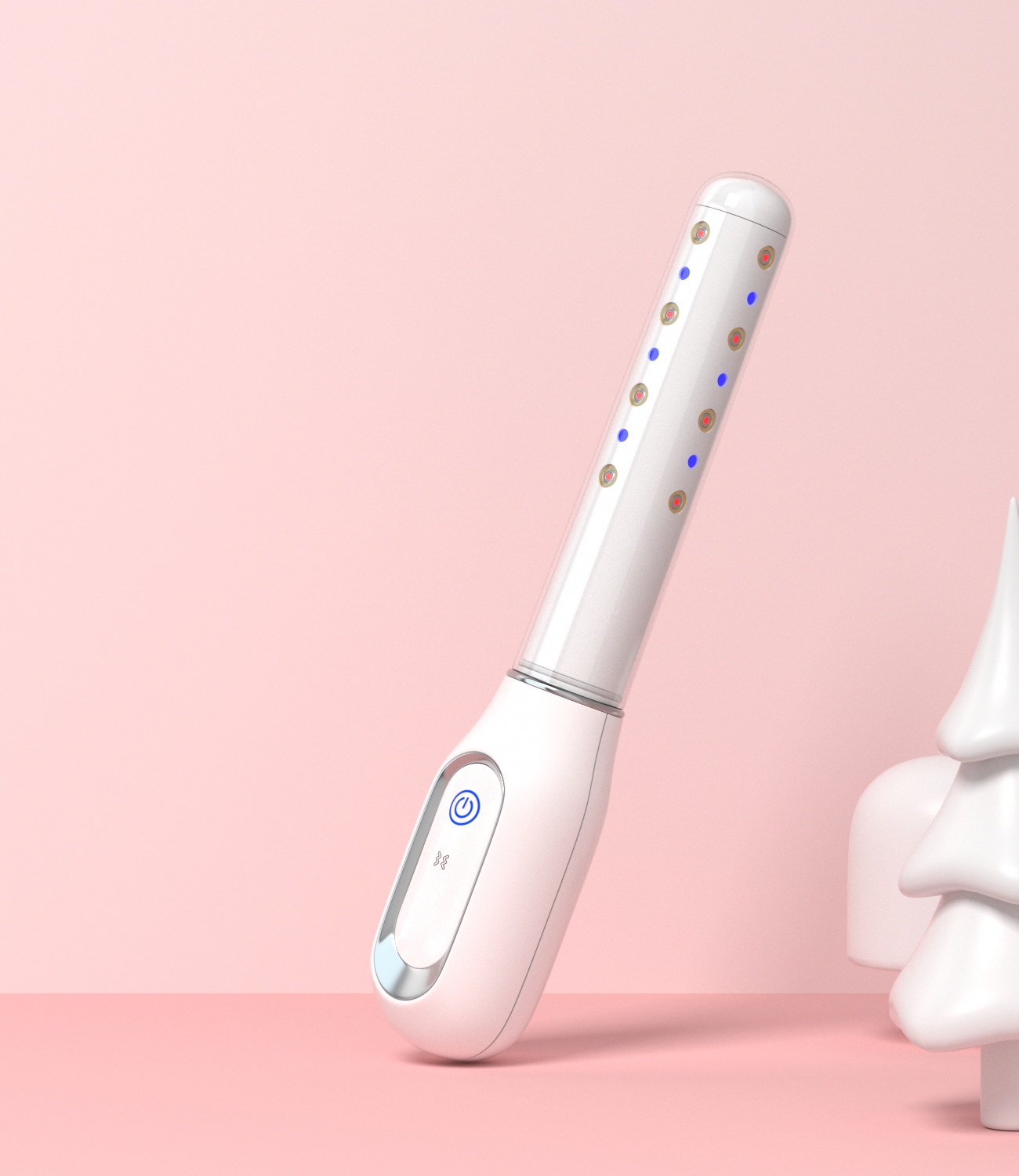
Walk into a consultation and the word “laser” gets tossed around like confetti, but the ones seasoned gynaecologists reach for have surprisingly specific names. It’s rarely the vague promise of “rejuvenation” — it’s the MonaLisa Touch or the FemiLift that get mentioned when a colleague asks what’s actually working for vaginal atrophy or lichen sclerosus. They speak about these devices the way a carpenter names a favourite plane: with grudging respect born from seeing what happens when the wrong tool hits delicate tissue. You’ll hear “CO2 fractional” almost as a reflex, followed by a pause while they gauge whether you’re ready for the nuance of thermal versus non-thermal, or why the depth of ablation matters more than the wattage.
The conversation shifts when they discuss stress urinary incontinence. That’s where the erbium:YAG laser, often behind the IncontiLase or the same FemiLift platform, enters the room in earnest. A specialist might lean forward and explain it’s not just about tightening — that’s a by-product — but about coaxing the collagen to remodel in the urethral support structures. They’ll casually mention the number of sessions needed while half-drawing an invisible graph in the air with their pen, illustrating how the improvement curve steepens a few months in. The names become shorthand for a whole protocol: pre-treatment oestrogen cream, a particular pulse pattern, and the frank reminder that this isn’t for everyone, certainly not for anyone who’s heard about it from a glossy magazine ad.
Yet the laser that truly sticks in memory, the one they bring up when trainees are present, is the old CO2 laser used for excision. It’s not glamorous; it’s the workhorse for vulvar intraepithelial neoplasia or stubborn condylomata. They’ll recall a specific case — how the precision spared healthy margin, how the plume evacuator hummed, leaving a clean edge that healed without the drag of steel. The brand names like Lumenis or DEKA slip out quietly, almost as an afterthought, because at that level it’s less about branding and more about the familiar ergonomics of the handpiece. That’s when you realise: when a gynaecologist actually names a laser, they’re not selling a machine — they’re describing a trusted accomplice in an unpredictable theatre of work.
Temporary Tightness or Lasting Change? Unpacking the Timeline
Market observers often fixate on the immediate numbers, but the calendar itself tells a more layered story. A sharp spike in volatility might simply be a reflex—a knee-jerk reaction to a quarterly option expiration or a holiday-thinned trading desk. The trick lies in separating these fleeting pressure points from structural shifts that linger well past the next payroll print. Examining the sequence of events, not just the headlines, reveals when a disturbance is already priced in and fading, versus when it marks the start of a new rhythm.
A helpful exercise is to map the reaction against previous episodes that shared similar seasonal or event-driven fingerprints. For instance, credit spreads that widen sharply in late September often retrace once fund rebalancing concludes, while a more gradual, unbroken drift over several weeks tends to signal deeper portfolio repositioning. The duration of the move—whether it lasts hours, days, or rolls through entire earnings cycles—quietly separates noise from genuine recalibration. Watching how correlated assets behave across the curve also provides context: if only the front-end trembles while the back-end remains placid, the timeline points toward a temporary liquidity gap rather than a fundamental repricing.
Ultimately, timing is not just about when a move began, but about its velocity and the narrative that accompanied its extension. A sudden rout that reverses before the weekend rarely rewires expectations, yet a slow-building grind that persists through multiple data cycles tends to embed itself into forward assumptions. Observers should weigh whether the catalyst has a natural expiry date—like a regulatory deadline or a central bank speech—or whether it touches variables that compound, such as consumer delinquency trends. The distinction lives in the difference between a calendar-driven flutter and a timeline that quietly reshapes the baseline.
The Real Talk on Discomfort, Downtime, and Trade-Offs
Nobody likes the sting of a poorly timed cramp or the creeping unease of a slow afternoon with zero notifications, but these moments aren't glitches—they're part of the operating system. We've been sold a fantasy where constant comfort and seamless momentum are the default, yet every person who builds something meaningful knows the seams always show. The real conversation starts when we stop treating discomfort as a problem to solve and more as a signal that something deeper is being rearranged. Your brain isn't breaking; it's rewiring, and that process was never meant to feel pleasant.
Downtime gets a bad reputation because it looks like nothing from the outside. Staring at a wall, walking without a destination, sitting with a coffee that's gone cold—these aren't productivity leaks; they're the only times your mind can actually digest the half-formed ideas and emotional clutter you've been hoarding. When every space is filled with input, reflection becomes impossible, and without reflection, you just keep circling the same trade-offs without ever reconsidering them. The most efficient people I've met don't guard their calendar with militant focus; they fiercely protect the empty gaps that look like laziness to everyone else.
Every meaningful choice involves a trade-off, yet we talk about them like they're temporary inconveniences we can optimize away. Saying yes to deep creative work often means saying no to the social calm that keeps you feeling normal. Choosing patience over reactivity can cost you short-term gains that louder people will flaunt. The work is about getting comfortable with the specific flavor of loss that comes with each door you actually open, instead of standing in the hallway, exhausted, pretending every door can stay cracked just in case.
Why Some Women Swear By It and Others Don't
For a lot of women, the attachment to this practice runs deeper than the product itself. It often ties back to a specific moment when it genuinely worked—maybe it soothed a skin flare-up overnight or finally gave them the texture they’d been chasing for years. That kind of positive reinforcement creates a loyalty that’s hard to shake. On the flip side, others had a completely opposite introduction. A single breakout, a sticky feel, or a scent that lingered too long was enough to turn them away permanently. It’s rarely about the formula being universally good or bad; it’s about how that first encounter lines up with their expectations and skin’s unique quirks.
Then there’s the lifestyle factor. Someone with a minimal routine might love an all-in-one balm that cuts out three steps, while a multi-step skincare enthusiast could find it redundant and far too heavy. You’ll also hear women swear by it for its multipurpose edge—using it on cuticles, elbows, or even flyaway hair—while others feel that very versatility dilutes the brand’s focus, making them doubt its effectiveness in any one area. If a product doesn’t slot neatly into the rhythm someone already has, it doesn’t matter how glowing the reviews are; it will just sit on the shelf.
Social influence plays a quiet but massive role too. When a close friend can’t stop raving about something, and her skin looks incredible, it’s almost impossible not to project that same result onto yourself. But the disappointment hits hard when the outcome doesn’t match the hype—and that’s enough to make someone swear off it entirely. The divide really comes down to a mix of personal chemistry, routine, and the weight of someone else’s praise. When it clicks, it feels almost magical. When it doesn’t, it’s just another expensive lesson.
Side-by-Side: What Separates the Top Devices
When you line up the year's most talked-about devices, the differences aren't always obvious on a spec sheet. Real-world use quickly reveals where money was well spent: a display that stays readable under direct sun, a haptic engine that clicks with precision instead of buzzing lazily, or a camera that nails tricky lighting without forcing you into manual mode. These aren't bullet points you can market; they're the details you live with every day. That's why two phones with nearly identical sensor sizes can produce wildly different photos — the software tuning and color science become the invisible hand that shapes every image.
Battery life tells a similar story. Capacity numbers mislead because they ignore how efficiently a device sips power. One flagship might cram a 5,000 mAh cell but drain fast under the heat of a poorly optimized chip, while another with a smaller pack lasts longer simply by managing background tasks better. Then there's the charging narrative: fast charging is nice, but consistent charging speeds without overheating matter more when you're grabbing a quick top-up at a coffee shop.
Build quality and materials rarely get the attention they deserve. A device that feels hollow or creaks under slight pressure won't age well, regardless of its IP rating. The top tier goes beyond glass and aluminum — they nail the little things like button tactility, speaker grilles that don't trap dust, and a vibration motor that can mimic a subtle tap on your wrist. These nuances separate a tool you reach for instinctively from one that simply ticks the boxes on a comparison chart.
FAQ
The right wavelength and delivery method matter most. Technologies like fractional CO2 and Er:YAG stimulate collagen remodeling in the vaginal mucosa without excessive thermal damage. Depth control, cooling features, and energy settings tailored to tissue type directly influence results and comfort during recovery. A practitioner's experience with that specific device can be just as important as the laser itself.
You'll often hear names like MonaLisa Touch, FemiLift, and IntimaLase. These are CO2 or Er:YAG systems with solid clinical backing. Doctors tend to favor devices that offer consistent pulse control and low downtime, and they'll choose based on your tissue tone, hormonal status, and whether you've had prior pelvic surgeries. There isn't one universal best, but these three consistently rank high in gynaecologist surveys.
Think of CO2 as more ablative, creating tiny micro-injuries that provoke a strong healing response. It often involves a few days of mild discharge. Er:YAG is generally gentler and can be used in shorter sessions with less downtime, making it popular for maintenance. Neither is superior across the board; CO2 may give a more dramatic lift for significant laxity, while Er:YAG suits early changes or sensitive patients.
It's not just about wanting tighter sensation. A good candidate typically has mild to moderate laxity, is done having children, doesn't have active infections or prolapse beyond grade one, and has reasonable tissue hydration. Postmenopausal women benefit, but estrogen status can affect response, so a thorough examination is essential. Realistic expectations matter greatly—it's improvement, not a surgical facelift for the vagina.
Yes, and it's often underemphasized. With CO2, most women need about three to five days before resuming intercourse, while Er:YAG can allow it within two to three days after each session. Some cooling tips and fractional patterns further reduce discomfort. Your doctor should map out what to expect with the specific laser proposed, including any temporary spotting or swelling.
Because the device alone cannot compensate for poor patient selection. An experienced clinician will assess pelvic floor tone, measure vaginal health index, and rule out conditions like lichen sclerosus or undiagnosed infections. This step often dictates which laser or parameter set will work, so rankings without considering evaluation are misleading. The best outcome starts with a detailed consultation, not just a brand name.
Conclusion
When gynecologists are pressed on which vaginal tightening lasers they actually trust, a few device names surface repeatedly, and the reasons go well beyond marketing claims. A typical session feels less like a medical procedure and more like a mildly warm, internal sweep that lasts only a handful of minutes, with no cutting or sutures involved. The real differentiators lie in how each laser controls heat deposition and stimulates collagen remodeling — some excel at surface-level mucosal plumping that yields noticeable yet temporary tightening within days, while others are designed for a graduated, sustained change that only becomes evident after multiple sessions over three to four months. What often gets lost in comparison charts is the sheer variation in patient experience: one woman might call it a minor inconvenience with slight post-procedure tenderness, yet another finds the altered sensation and the two-day abstinence requirement genuinely disruptive, which helps explain why loyalty to the treatment is so sharply split.
Diving into the technical side, top-tier platforms distinguish themselves through wavelength precision, built-in temperature feedback, and whether energy is delivered in a continuous sweep or via fractional micro-beams that leave untreated tissue between treated zones, dramatically shifting the balance between comfort and downtime. These details translate directly into real-world trade-offs — a gentle, non-ablative device might win on near-zero recovery but frustrate someone seeking a single dramatic change, whereas more aggressive modes can yield longer-lasting architectural tightening at the cost of several days of local sensitivity. Ultimately, expert recommendations converge less on one ‘best’ laser and more on matching the device’s biological target to the patient’s anatomy, hormonal status, and tolerance for a gradual timeline — a nuance that consumer-facing comparisons often flatten into star ratings.
Contact Us
Contact Person: Manager Mei
Email: [email protected]
Tel/WhatsApp: +8618627866609
Website: https://zzgt.en.alibaba.com/