

Top PVC Door Manufacturers in China: A Comprehensive List
2025-11-28
When it comes to sourcing reliable PVC doors, China is home to a wealth of manufacturers, but finding the right partner can be a daunting task. From quality and design flexibility to delivery consistency, every detail matters for your project's success. Among the names that consistently rise to the top is FANSI, a brand known for blending modern manufacturing with rigorous quality control. This guide cuts through the clutter, offering a curated look at the leading players in the industry—so you can make an informed choice without the guesswork.
A Look Inside China’s PVC Door Production Hubs
Spread across Guangdong, Zhejiang, and Shandong, the clusters hum with a mix of sprawling automated factories and nimble workshops that crank out doors at a pace hard to match elsewhere. Walking through these industrial zones, you see raw PVC powder transformed into sturdy panels within hours, the air thick with the rhythmic clatter of extrusion lines operating around the clock. It’s not just scale that stands out—many facilities have honed their workflows to minimize waste and maximize output, with some churning out over a thousand units daily without sacrificing consistency.
Inside, the production line is a careful choreography of heating, molding, and cooling, where liquid PVC is forced through dies to form door frames and skins, then rapidly set under calibrated pressure. Skilled technicians monitor temperatures and speeds, making micro-adjustments that keep warping or color shifts at bay. Lamination and embossing stations add woodgrain or glossy textures, lending the finished doors a look that belies their engineered origins. A growing number of these plants now integrate robotic arms for trimming and wrapping, which not only speeds things up but brings a precision that’s tough to achieve by hand alone.
From these hubs, containers roll out to ports bound for markets in Europe, Africa, and the Americas, often carrying doors already pre-hung in frames to simplify installation overseas. Local suppliers cluster nearby, delivering locks, seals, and reinforcement strips within hours, creating a tight-knit ecosystem that keeps lead times short. Design tweaks happen fast, too, with workshops quickly adapting to shifts in demand—whether it’s a trend toward minimalist paneling or a surge in fire-rated specifications. It’s this blend of rapid iteration and logistical muscle that keeps these districts at the heart of the global PVC door trade.
Materials and Engineering Behind Durable PVC Doors
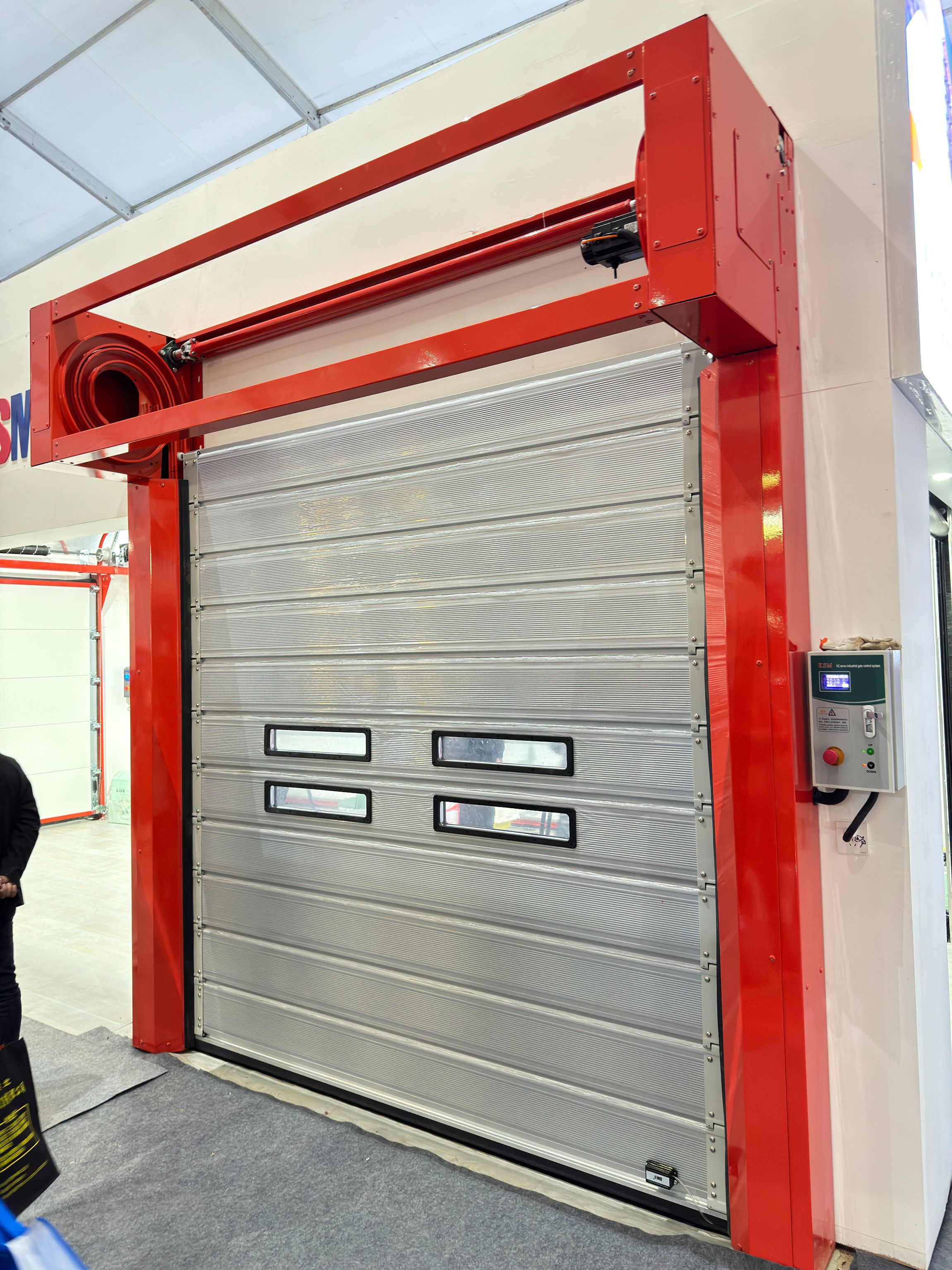
PVC doors last because of how materials and engineering work together. The polyvinyl chloride base is naturally resistant to moisture, rot, and rust, so it doesn't swell or degrade when exposed to rain or humidity. Blending in impact modifiers toughens the surface against dents and scratches, while UV inhibitors keep the color stable even under direct sun. This mix creates a door that handles daily wear without fuss.
The engineering side adds another layer of durability. Multi-chambered profiles give the door its backbone—those hollow sections aren't just for lightweight handling; they trap air for insulation and distribute stress so the door stays flat. Steel inserts are often slipped into critical points to fend off forced entry and prevent sagging. The way the corners are welded, rather than mechanically joined, forms a watertight seal that stops moisture from creeping in over time. Along with weatherstripping and robust hinge systems, these details mean the door barely needs attention beyond occasional cleaning.
How PVC Doors Solve Real-World Building Challenges
Builders often run into problems with traditional materials warping or rotting in wet climates. PVC doors hold their shape and shrug off moisture, which means they keep functioning smoothly without constant upkeep. Even in coastal zones where salty air eats away at metal frames, these doors stay intact and keep looking decent.
Thermal performance is another area where they prove their worth. Unlike steel or wood, PVC doesn’t act as a cold bridge, helping interior spaces stay comfortable while cutting down on heating and cooling costs. That also reduces condensation buildup, so you avoid mold headaches that come with poorly insulated frames.
On job sites, the light weight of PVC doors makes a real difference. Installation crews move them around without special equipment, and adjustments on-site are straightforward. This speeds up project timelines and trims labor expenses, all without sacrificing structural reliability or noise dampening.
What to Check Before Partnering with a Factory
Before shaking hands on a manufacturing partnership, take a hard look at their production floor—not just through polished photos, but in person if possible. Watch how workflows move, how equipment is maintained, and whether the team seems genuinely engaged or just going through the motions. A factory that keeps a clean, organized shop floor and openly discusses their quality hiccups is far more trustworthy than one that promises perfection without evidence.
Dig into their supply chain resilience, too. Ask where raw materials come from and how they handle shortages or delays. A partner who relies on a single supplier for a critical component is a risk you don’t want to absorb. Listen for specifics: lead times they’ve met under pressure, backup plans they’ve actually used, and how they communicate when things go sideways. The goal isn’t just capability on paper—it’s agility when the unexpected hits.
Finally, test their willingness to collaborate on your standards. Send a small trial order with precise specs and see how they handle feedback, revisions, and tight deadlines. A factory that treats trial runs as a formality rather than a two-way tuning process will likely frustrate you later. The ones worth partnering with treat early projects as a chance to align, not just to invoice.
Design Flexibility and Customization Options Available
Every brand has a unique voice, and rigid design templates rarely do justice to that individuality. We provide an open canvas where you can tweak every visual element—from color palettes and typography to spacing and interactive states—without writing a single line of code. Whether you need to mirror an existing style guide or experiment with a fresh look, the interface adapts to your workflow, letting you drag, drop, and refine until the result genuinely feels like yours.
Customization goes deeper than surface aesthetics. Our component architecture lets you mix, match, and nest modules in ways that suit your content strategy, not a preset layout. You can define custom breakpoints for responsive behavior, override default animations, and even inject your own CSS or JavaScript when the built-in controls aren't enough. This layered approach means marketing teams can iterate quickly, while developers still have the hooks to push boundaries when a project demands it.
What sets our flexibility apart is how we handle dynamic content. Instead of locking you into a static template, you can set rules that change design elements based on user context, device type, or even real-time data. A landing page can automatically shift its hero layout for mobile visitors, or a dashboard can restyle widgets for different user roles. It’s this blend of visual control and conditional logic that turns a simple customization feature into a genuine design tool.
The Push Toward Greener Manufacturing Practices
Manufacturers are increasingly rethinking their production methods to cut waste and reduce environmental harm. Instead of just complying with regulations, many are embracing a proactive approach, analyzing supply chains, energy use, and material flows to find unexpected opportunities for efficiency.
One emerging trend is the use of closed-loop systems, where scrap material is fed back into production rather than discarded. This shift not only eases landfill pressure but often lowers costs. Some plants now run on renewable energy, while others experiment with biodegradable packaging or water recycling, proving that small, practical changes can accumulate into significant environmental gains.
Beyond the factory floor, companies are collaborating with suppliers and customers to extend the life of products through repair programs and modular designs. This mindset moves away from the outdated ‘take-make-dispose’ model, fostering resilience and often uncovering new revenue streams. The real driver isn’t just public image—it’s a deeper recognition that long-term viability depends on operating within planetary boundaries.
FAQ
The list was compiled based on production capacity, export history, quality certifications, and client feedback over a three-year period. Manufacturers with consistently reliable delivery and minimal reported defects were given priority.
Guangdong province leads by volume, especially around Foshan and Guangzhou, but Zhejiang and Hebei also host several large-scale factories with specialized PVC door lines.
Yes, most of them operate dedicated custom order divisions. They can handle modifications in size, color, hardware, and even core material upon request, with minimum order quantities varying by factory.
A few have started using recycled PVC and non-toxic stabilizers. Three companies on the list hold ISO 14001 certification and can provide doors with low VOC emissions for green building projects.
The gap has narrowed considerably. Top-tier Chinese manufacturers now use imported German or Italian extrusion lines and meet EN 12608 standards, though consistency can still vary among mid-range factories.
Standard models usually ship within 15–20 days after deposit. Fully custom orders may take 25–35 days, depending on the complexity and the factory’s current workload.
Almost all listed manufacturers provide sample doors, but you need to cover the courier cost. Some will refund the sample fee if you proceed with a large order.
Replacement parts for defects, installation guides, and video call assistance are common. A few offer on-site support for massive projects, but this often requires negotiation.
Conclusion
China’s PVC door manufacturing sector spans several concentrated production hubs, with clusters in Zhejiang, Guangdong, and Shandong driving both volume and technical refinement. Inside these facilities, a blend of advanced extrusion lines and precisely formulated raw materials ensures doors withstand years of moisture, temperature swings, and heavy use without warping or fading. Engineers layer high-density cellular PVC cores with impact-resistant skins and UV-stabilized coatings, often reinforcing frames with steel inserts for added rigidity. This material science focus translates into products that meet stringent international performance standards while keeping costs accessible for residential and commercial projects worldwide.
Beyond the factory floor, PVC doors address real pain points on job sites: they resist rot in coastal climates, block noise more effectively than hollow-core alternatives, and simplify installation with lightweight, pre-hung designs. When evaluating potential partners, buyers should probe not just capacity and lead times but also a factory’s record on fire ratings, eco-friendly additives, and third-party testing. The most agile manufacturers now offer custom laminates, woodgrains, and bespoke panel profiles that mimic upscale timber doors, while steadily adopting recycled content and closed-loop water systems. That shift toward greener practices, coupled with a willingness to co-develop tailored solutions, sets apart the factories truly worth engaging for long-term supply relationships.
Contact Us
Contact Person: Liam
Email: [email protected]
Tel/WhatsApp: (+86)16658531012
Website: https://www.fansifiredoor.com