

Top Pad-Mounted Transformer Supplier: Essential Guide for Quality and Reliability
2025-12-29
In today's growing demand for reliable power distribution, pad-mounted transformers are crucial for ensuring efficient and safe electricity delivery in residential, commercial, and industrial settings. As you navigate the complexities of selecting a supplier, quality and reliability become paramount. In this essential guide, we explore what sets top suppliers apart and how to make an informed choice. At CNKEEYA, we prioritize innovation and durability in every transformer we design. Our commitment to excellence aims to provide you with reliable solutions that meet modern energy needs. Dive into this guide to uncover key factors that define superior pad-mounted transformers.
Understanding Key Features of Pad-Mounted Transformers
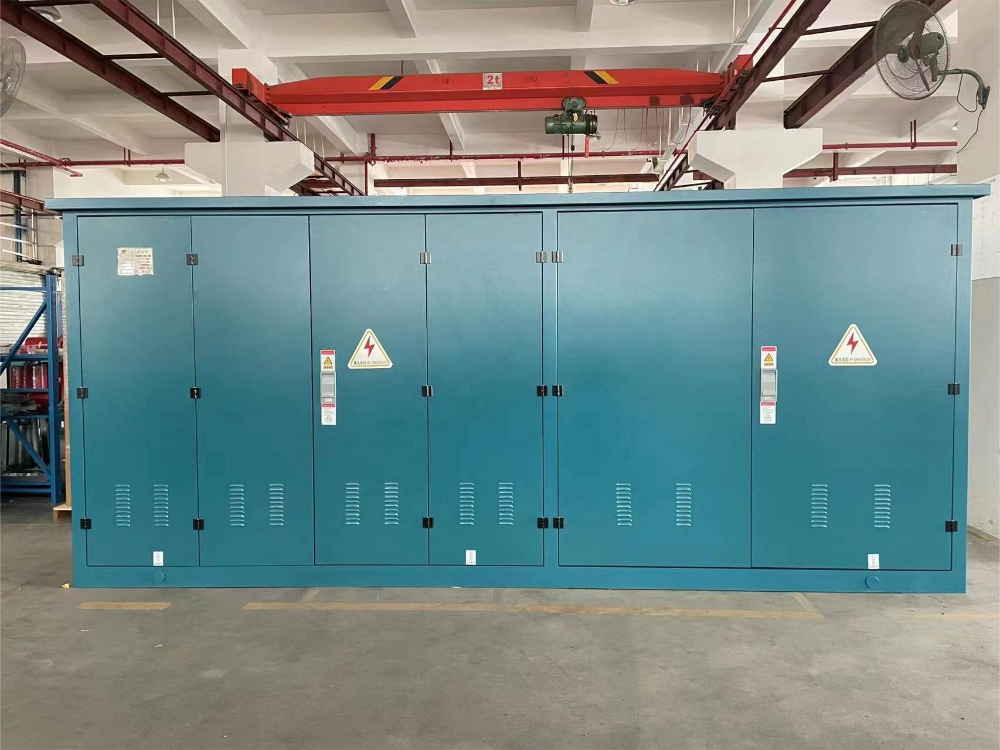
Pad-mounted transformers are essential components in modern electrical distribution systems, designed for safe and efficient power delivery in residential and commercial areas. Unlike traditional pole-mounted units, these transformers are housed in robust, weather-resistant enclosures that sit directly on the ground, making them easier to access for maintenance while minimizing visual impact. Key features include enhanced safety mechanisms like tamper-resistant locks and insulated conductors, which help prevent accidental contact and electrical hazards. Their compact design allows for installation in limited spaces, such as near sidewalks or in urban settings, without compromising performance. These units often incorporate advanced cooling systems, such as oil or dry-type insulation, to manage heat dissipation and ensure long-term reliability under varying load conditions.
In terms of functionality, pad-mounted transformers are tailored for stepped-down voltage conversion, typically reducing high distribution voltages to levels suitable for end-use appliances and equipment. They feature robust bushings and connectors that facilitate seamless integration with underground cables, reducing the risk of outages caused by environmental factors like storms or wildlife interference. Many models include monitoring capabilities, such as temperature sensors and fault indicators, enabling utilities to perform proactive maintenance and quickly address issues. The enclosures are often constructed from corrosion-resistant materials like galvanized steel or aluminum, ensuring durability in harsh climates, from coastal salt spray to inland temperature extremes, which contributes to their extended lifespan and low maintenance requirements.
What sets modern pad-mounted transformers apart is their adaptability to smart grid technologies and renewable energy integration. They can be equipped with communication interfaces for real-time data collection on load patterns and efficiency, helping utilities optimize energy distribution and reduce losses. Some designs incorporate eco-friendly features, such as biodegradable insulating fluids or recyclable components, aligning with sustainability goals. Innovations in noise reduction and aesthetic options, like custom colors or landscaping-friendly shapes, make them more community-friendly. Overall, these transformers balance technical performance with practical considerations, playing a crucial role in maintaining reliable and safe power networks while evolving to meet future energy demands and environmental standards.
Evaluating Supplier Reliability in the Transformer Market
In the transformer market, supplier reliability isn't just a buzzword—it's the cornerstone of operational stability for energy projects worldwide. When delving into this evaluation, savvy buyers often start by scrutinizing a supplier's track record, going beyond glossy case studies to examine real-world project completions under tight deadlines and in challenging environments. This might involve digging into industry forums or seeking candid feedback from peers who've weathered supply chain disruptions. Moreover, a reliable supplier typically demonstrates transparency in their manufacturing processes, willingly sharing quality control protocols and compliance certifications, which can signal a commitment to consistency rather than just cost-cutting.
Another critical angle is assessing a supplier's adaptability to market fluctuations, such as raw material shortages or regulatory changes. A dependable partner will have contingency plans in place, perhaps evidenced by diversified sourcing strategies or investments in R&D for more efficient transformer designs. For instance, some firms distinguish themselves by offering predictive maintenance support or detailed lifecycle analyses, helping clients anticipate issues before they escalate. This proactive approach not only minimizes downtime but also builds trust through long-term partnerships, as opposed to transactional dealings that fizzle out post-sale.
Ultimately, a thorough evaluation blends quantitative metrics, like on-time delivery rates and defect percentages, with qualitative insights into a supplier's corporate culture and ethical standards. Buyers should look for signs of innovation, such as investments in smart grid technologies or eco-friendly materials, which can indicate forward-thinking reliability. By focusing on these nuanced factors, stakeholders can secure suppliers that don't just meet specs but enhance overall project resilience, turning procurement into a strategic advantage rather than a routine checklist task.
Innovative Materials and Durability in Modern Designs
In the world of contemporary design, the quest for longevity has sparked a revolution in material innovation. Gone are the days when durability meant sacrificing aesthetics or environmental responsibility. Today, designers are weaving resilience into the very fabric of creation, exploring substances that defy wear while embracing sustainability. From self-healing polymers that mend minor scratches to recycled composites that turn waste into wonder, these advancements ensure that modern pieces not only stand the test of time but also tell a story of ingenuity. Imagine a chair that resists fading in sunlight or a facade that cleans itself with rain—such feats are becoming commonplace as science meets art.
Beyond mere toughness, this shift towards innovative materials redefines what durability means in a fast-paced world. It's about creating objects that adapt, endure, and even improve with age. For instance, bio-based plastics derived from algae or mycelium offer a biodegradable alternative that doesn't compromise strength, challenging traditional notions of disposability. In architecture, the use of carbon fiber and aerogels allows for structures that are both lightweight and incredibly robust, pushing boundaries in skyscrapers and bridges. This isn't just about building things to last; it's about embedding a sense of permanence that resonates with our values, making durability a dynamic quality that evolves with use.
In practice, integrating these materials into modern designs requires a delicate balance between innovation and practicality. Designers navigate complex considerations, from cost and manufacturability to user safety and cultural acceptance. Take the example of smart textiles that incorporate conductive threads—they not only resist wear but also enable interactive features, blending form with function in unexpected ways. As we embrace this era of material mastery, the emphasis shifts from replacement to restoration, fostering a culture where durability is celebrated through craftsmanship and care. Ultimately, by championing these forward-thinking approaches, modern designs become more than just objects; they become legacies of resilience, ready to inspire generations to come.
Long-Term Performance Metrics and Maintenance Insights
Effective long-term performance metrics go beyond basic uptime and response rates, diving into sustainability indicators like energy efficiency trends and user satisfaction scores over extended periods, which can reveal hidden operational costs and adaptation capabilities in evolving environments.
Rather than static benchmarks, maintenance insights should emphasize proactive strategies, such as predictive analytics based on historical data to preempt failures, coupled with agile documentation practices that evolve with technological shifts, ensuring systems remain robust and adaptable without frequent overhauls.
To stand out, focus on integrating real-world case studies that link specific metric improvements to tangible business outcomes, like reduced downtime leading to higher customer retention, while fostering a culture of continuous learning where teams regularly review and refine maintenance protocols based on performance feedback.
Customization Options and Application-Specific Solutions
In today's dynamic business landscape, the one-size-fits-all approach rarely meets the unique challenges that companies face. That's where customization options and application-specific solutions come into play, offering tailored strategies that align perfectly with your organization's distinct needs. Whether it's fine-tuning software features, adapting workflows to match team dynamics, or designing bespoke tools for niche industries, these solutions ensure that technology serves as a powerful enabler rather than a rigid constraint. By integrating flexibility and precision, businesses can unlock new efficiencies and foster innovation that resonates across their operations.
From manufacturing floors to healthcare systems, application-specific solutions dive deep into the intricacies of each sector, delivering targeted outcomes that generic platforms often miss. Imagine a logistics company optimizing its fleet routes based on real-time traffic data and delivery priorities, or a retail chain personalizing customer interactions through advanced analytics. These examples highlight how customization transforms standard offerings into dynamic assets, empowering teams to tackle specific pain points with confidence. The result isn't just a functional upgrade; it's a strategic advantage that evolves alongside your goals, ensuring long-term relevance in a competitive market.
Embracing these tailored approaches goes beyond mere feature adjustments—it's about crafting experiences that resonate with end-users and stakeholders alike. By prioritizing user feedback and iterative development, customization fosters environments where solutions grow organically, adapting to new demands without overhauling entire systems. This agility reduces implementation friction and accelerates adoption, turning potential obstacles into opportunities for growth. Ultimately, whether you're streamlining internal processes or launching customer-facing innovations, customization and application-specific strategies pave the way for sustainable success, making every investment count toward a more responsive and resilient future.
Best Practices for Selecting High-Quality Suppliers
Choosing the right suppliers is crucial for maintaining product quality and operational efficiency. Start by conducting thorough due diligence—this goes beyond just checking financials. Look into their production processes, sustainability practices, and how they handle supply chain disruptions. For instance, a supplier with transparent sourcing and robust contingency plans often proves more reliable in the long run, even if their initial quotes are slightly higher.
Building strong relationships is another key aspect. Instead of treating suppliers as mere vendors, consider them as strategic partners. Regular communication and site visits can provide insights into their capabilities and commitment. This approach not only helps in spotting potential issues early but also fosters collaboration, leading to innovations that benefit both parties.
Lastly, implement a continuous evaluation system. Don't rely solely on initial assessments; regularly review supplier performance based on metrics like delivery times, defect rates, and responsiveness. This dynamic approach ensures that your supplier base remains aligned with your evolving business needs and quality standards, helping you stay competitive in a fast-paced market.
FAQ
Key features include compliance with industry standards like IEEE and ANSI, robust construction for durability, advanced cooling systems, and comprehensive testing protocols to ensure reliability and safety in various environments.
Suppliers should implement rigorous quality control, use high-grade materials resistant to corrosion and wear, and offer regular maintenance support and monitoring services to prevent failures and extend product lifespan.
Look for certifications such as UL listing, ISO 9001 for quality management, and adherence to NEMA standards, which indicate a commitment to safety, performance, and continuous improvement in manufacturing processes.
Cost factors include material quality, customization options, production volume, warranty terms, and additional services like installation support or technical training, with higher reliability often justifying a premium price.
Innovative suppliers stand out by incorporating smart technologies for remote monitoring, eco-friendly designs with reduced environmental impact, and flexible configurations that allow for easy integration into diverse electrical systems.
Consider the supplier's manufacturing capacity, inventory levels, and logistics capabilities; reliable suppliers provide accurate timelines, expedite options when needed, and ensure secure packaging to avoid damage during transit.
Strong customer support, including pre-sales consultation, installation assistance, and responsive after-sales service, helps optimize transformer performance, resolve issues quickly, and build long-term trust with clients.
Avoid suppliers with vague specifications, limited testing data, poor communication, or inadequate warranties; prioritize those with transparent documentation and proven track records in similar projects to reduce risks.
Conclusion
This essential guide highlights the critical features and reliability factors businesses should consider when selecting a top pad-mounted transformer supplier. Understanding key features such as durable materials and innovative designs ensures operational efficiency and safety. By evaluating supplier reliability through industry reputation and thorough market research, organizations can secure dependable partners who prioritize long-term performance and offer valuable maintenance insights for sustained functionality.
Furthermore, the best practices for selecting high-quality suppliers involve assessing customization options and application-specific solutions tailored to unique needs. A robust supplier will integrate modern materials and durability into their designs, providing comprehensive metrics and maintenance strategies that enhance reliability. This approach not only meets immediate requirements but also supports future adaptability, ensuring cost-effectiveness and superior performance in diverse operational environments.
Contact Us
Contact Person: Queenie
Email: [email protected]
Tel/WhatsApp: +86 15558806611
Website: https://www.cnkeeya.com