

Top 10 Wood Plastic Machines: Your Ultimate Guide to WPC Manufacturing
2026-03-16
Welcome to your ultimate guide on wood plastic composite (WPC) manufacturing! If you're looking to dive into the world of durable and eco-friendly materials, you've come to the right place. In this blog, we'll explore the top 10 machines that are revolutionizing the WPC industry, helping manufacturers like you boost efficiency and produce high-quality products. Whether you're a seasoned professional or just starting out, understanding these key tools can make all the difference. And speaking of innovation, brands like Yongte are leading the charge with cutting-edge solutions that push the boundaries of what's possible. Get ready to uncover insights that could transform your manufacturing process—let's get started!
Essential Types: Which WPC Machine is Right for Your Project
When starting a woodworking project, selecting the right WPC (wood-plastic composite) machine can make or break your outcomes. Instead of relying on generic advice, focus on your specific needs—whether you're crafting outdoor furniture, decking, or interior trim. Each machine type, like extrusion or cutting models, excels in different areas, so understanding your material thickness and desired finish is key to making a smart choice.
Many overlook the importance of machine versatility, but it's what sets apart top-tier projects. Look for features that adapt to various WPC grades and textures, allowing for seamless transitions between tasks. This flexibility not only saves time but also reduces waste, giving your work a polished, professional edge that stands out from cookie-cutter results.
Lastly, consider the long-term benefits of your selection. A well-chosen WPC machine enhances durability and efficiency, helping you tackle complex designs with confidence. By prioritizing quality over quick fixes, you'll create pieces that impress in both form and function, proving that the right tool truly defines your project's success.
Core Components: Understanding the Main Parts of a WPC Machine
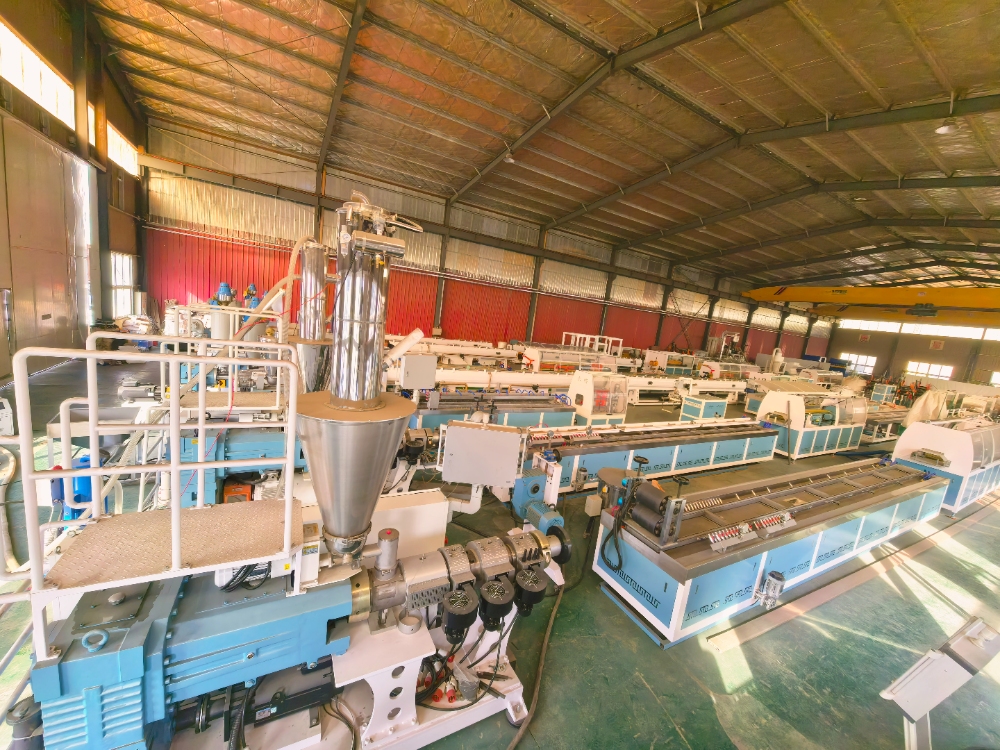
At the heart of any Wood-Plastic Composite (WPC) machine lies a series of essential components that work in harmony to transform raw materials into durable and eco-friendly products. The extruder is the central powerhouse, where a precise blend of wood fibers and plastic polymers is melted and mixed under high pressure, ensuring uniform consistency for high-quality output. This process relies heavily on the control panel, an advanced interface that allows operators to fine-tune temperature, speed, and pressure settings, adapting to different material types and production requirements seamlessly.
Beyond the extruder, the cooling system plays a critical role in shaping the final product. As the molten composite exits the die, it passes through calibrated cooling units that gradually solidify the material, preventing warping or brittleness and enhancing structural integrity. This is complemented by the cutting and shaping mechanisms, which can include precision saws or molds that trim the extruded profiles to exact dimensions, ready for assembly or further finishing processes in various applications.
Another key element often overlooked is the feeding and dosing system, which ensures a steady and accurate supply of raw materials into the machine. By maintaining consistent ratios of wood and plastic, this component minimizes waste and optimizes product performance, contributing to both cost-efficiency and sustainability. Together, these parts form a robust framework that not only drives production but also supports innovation in the growing WPC industry, enabling manufacturers to create versatile products from decking to furniture with reliability and precision.
How It Works: A Step-by-Step Look at the Manufacturing Process
Our manufacturing process kicks off with a meticulous design phase, where engineers transform raw concepts into detailed blueprints using advanced CAD software. This initial step ensures that every component is optimized for both performance and durability, setting a solid foundation for the entire production line. We prioritize collaboration between designers and material specialists to select the best materials, be it lightweight alloys or sustainable composites, tailored to each product's unique requirements.
Once designs are finalized, production shifts to precision machining and assembly. In our state-of-the-art facilities, automated CNC machines and skilled technicians work hand-in-hand to cut, shape, and assemble parts with exacting tolerances. This blend of technology and craftsmanship allows us to maintain rigorous quality control at every turn, from initial welding to final calibration, ensuring that each unit meets our high standards before moving down the line.
The final stages involve thorough testing and finishing touches, where products undergo rigorous performance checks and aesthetic refinements. We conduct stress tests, functional evaluations, and detailed inspections to guarantee reliability and safety, followed by custom finishes that enhance both look and feel. This comprehensive approach not only delivers superior products but also reflects our commitment to innovation and customer satisfaction throughout the entire journey.
Key Features to Consider When Choosing Your Equipment
When you're in the market for new equipment, it's all about striking that perfect balance between performance and usability. Think about what really matters for your daily tasks—maybe you need something lightweight for portability or a device with a long battery life for those marathon work sessions. Don't just go for the flashy specs; consider how easy it is to set up and maintain, because a smooth experience can save you a ton of headaches down the road. It's like finding a tool that feels like an extension of yourself, not a constant challenge.
Another key aspect is durability and support. You want gear that can handle a few bumps and keep ticking, especially if you're on the move a lot. Check out user reviews and warranty options to gauge how reliable a brand is over time. Also, keep an eye on compatibility—will this new piece play nice with your existing setup, or will it require a whole new ecosystem? Investing in equipment that integrates seamlessly can boost your productivity without the fuss of constant adjustments.
Lastly, think long-term about costs and updates. Upfront price is one thing, but consider ongoing expenses like maintenance, accessories, or subscription fees. Some equipment might seem affordable initially but nickel-and-dime you later. Look for brands that offer regular software updates or modular designs, allowing you to upgrade without starting from scratch. By weighing these factors, you'll end up with gear that not only meets your current needs but grows with you as your demands evolve.
Common Issues and How to Troubleshoot Them Effectively
When things go wrong, it's easy to feel stuck, but a structured approach can turn frustration into resolution. Start by pinpointing the exact problem—is it a recurring error message, a sudden performance drop, or something that just doesn't work as expected? Often, the issue isn't as complex as it seems; simple steps like restarting the device or checking connections can clear up minor glitches. Keeping a calm mindset and documenting what you observe helps narrow down potential causes without jumping to conclusions.
If basic checks don't solve it, dive deeper by isolating variables. For instance, if a software application crashes, try running it in a different mode or on another device to see if the problem persists. Use available logs or error reports to gather clues, and don't hesitate to search online forums or knowledge bases where others might have shared similar experiences. This methodical elimination not only saves time but also builds your troubleshooting skills, making you more adept at handling future hiccups efficiently.
In cases where you're still stuck, don't shy away from seeking help, but do it smartly. Before reaching out to support, prepare a clear summary of what you've tried and what happened—this shows initiative and speeds up assistance. Sometimes, stepping away briefly can offer fresh perspective, leading to an overlooked solution. Remember, effective troubleshooting blends patience, logic, and a bit of creativity, transforming obstacles into opportunities for learning and improvement.
The Future of WPC Manufacturing: Emerging Trends and Innovations
WPC manufacturing is undergoing a transformation driven by advanced material science, where the integration of novel additives like nanocellulose or recycled plastics is enhancing durability and eco-friendliness. These innovations not only improve structural integrity but also open doors to applications in high-performance sectors, such as automotive interiors and urban infrastructure, pushing the boundaries beyond traditional uses in decking and furniture.
A key trend reshaping the industry is the adoption of smart manufacturing technologies, including IoT-enabled sensors and AI-driven quality control systems. These tools allow for real-time monitoring during production, reducing waste and optimizing resource use, which leads to more sustainable operations and higher-quality outputs that meet evolving consumer demands for precision and consistency.
Looking ahead, the focus on circular economy principles is fostering innovations in biodegradable composites and modular designs that simplify recycling. This shift not only addresses environmental concerns but also creates competitive advantages, enabling manufacturers to differentiate their products in crowded markets by offering solutions that are both functional and forward-thinking.
FAQ
Popular types include extrusion lines for producing WPC profiles, pelletizing machines for raw material preparation, and mixing systems that blend wood fibers with plastic resins efficiently.
Consider factors like production capacity, material compatibility, and energy efficiency; it's often best to consult with experts or test machines to find the best fit for specific projects.
Key safety features include emergency stop buttons, thermal overload protection, and proper guarding to prevent accidents during high-temperature processing.
Yes, many modern machines are designed to process recycled plastics and wood waste, but ensure the equipment has robust filtration and mixing capabilities to maintain quality.
Regularly clean components, lubricate moving parts as recommended, and monitor for wear and tear to prevent breakdowns and ensure consistent performance over time.
Consider used or refurbished equipment from reputable suppliers, or modular machines that allow for upgrades as your production scales, balancing initial investment with long-term value.
Conclusion
Navigating the world of Wood Plastic Composite (WPC) manufacturing begins with selecting the right machinery from the top 10 options available. This guide emphasizes that choosing the perfect machine hinges on understanding essential types tailored to specific project needs, from small-scale extruders to large industrial lines. Key features like energy efficiency, output capacity, and automation levels must be carefully evaluated to ensure optimal performance and cost-effectiveness. By integrating these considerations, manufacturers can avoid common pitfalls and set a solid foundation for their operations.
Beyond initial selection, mastering WPC production involves a deep dive into core components such as extruders, dies, and cooling systems, which work together in a step-by-step process to transform raw materials into durable products. Effective troubleshooting of common issues, like material inconsistencies or mold blockages, enhances uptime and quality. Looking ahead, emerging trends like sustainable materials and smart IoT integration are shaping the future, making it crucial to stay adaptable. This holistic approach ensures that investing in top-tier machines not only boosts efficiency but also positions businesses at the forefront of innovation in the competitive WPC market.
Contact Us
Contact Person: Ms Qin
Email: [email protected]
Tel/WhatsApp: 8613583233866
Website: https://www.yongteplast.com