
Professional Marvel Rivals Costume Essentials for Competitive Play
2026-11-16
When you step into the competitive arena of Marvel Rivals, every millisecond counts—but your costume shouldn’t be the reason you lose a duel. While most players obsess over aim and strategy, the gear you wear can quietly impact your endurance and focus during long ranked sessions. That’s where CCosplay steps in, offering professional Marvel Rivals costume essentials built for players who treat every match like a tournament. In this guide, we’ll strip away the flash and focus on what actually matters: breathable fabrics, unrestricted movement, and details that let you play at your peak without distraction.
Camouflage Counts: Skins That Blend Into Map Geometry
Some skins do more than just look flashy—they actively work against your opponent’s eye. On maps with gritty, sandy textures, a well-chosen skin with muted earth tones and irregular blotches can make your character’s outline break up against walls, crates, and rubble. It’s not about being invisible; it’s about delaying that split-second recognition that usually gives a shooter the upper hand.
The real magic happens when the skin’s pattern overlaps with common map geometry. A jagged dark stripe that lines up with a doorway edge, or a patch of rust that mirrors a metal panel, can trick peripheral vision into dismissing movement as just another static texture. Players who spend time learning which skins fade into which spots gain a subtle but repeatable advantage in holding angles or crossing open lanes.
Not every camouflage skin works everywhere—context matters. A forest-toned skin stands out on an industrial map, while a grey urban pattern gets lost in concrete corridors. The best approach is to match your loadout to the dominant color temperature and clutter level of each map, then test how well your character blends in from common enemy vantage points. It’s a mini-game of its own, and for those who master it, the payoff is seeing an opponent hesitate just long enough.
The Bling Penalty: Why Shiny Armor Attracts Unwanted Attention
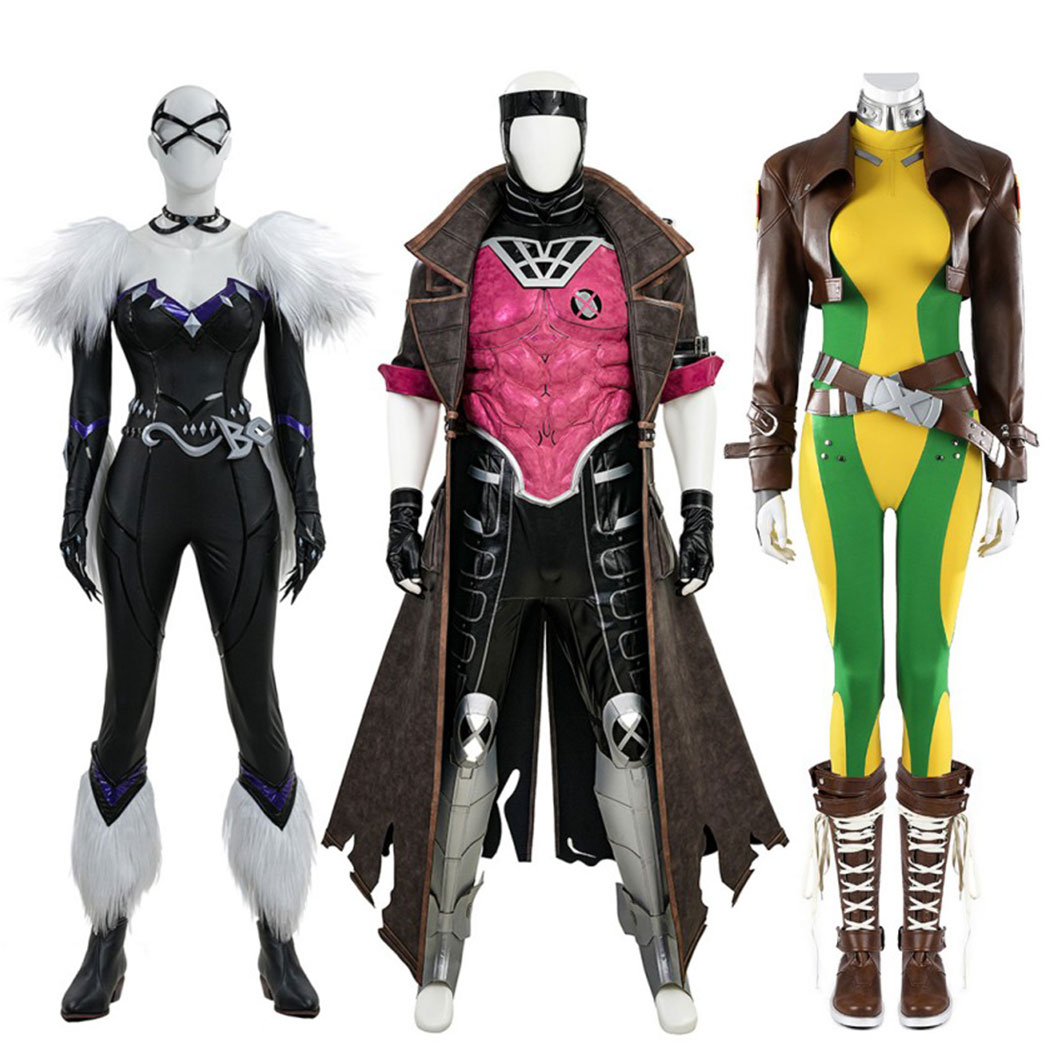
The gleam of polished plate isn't just a fashion statement—it's an invitation. In low-light skirmishes or forest ambushes, a mirror-bright breastplate catches every stray ray and telegraphs your position long before you spot your enemies. Historical accounts and modern reenactments both show that fighters who dulled their armor or draped cloth over it routinely survived longer. The bling penalty isn't about cowardice; it's about not handing opponents a free targeting beacon.
There's also a social layer. Flashy gear often reads as a boast, and in competitive or warlike settings, the loudest visual signal becomes the default first target. Opponents assume anyone wearing that much shine either has something to prove or something worth looting—both dangerous assumptions. Over time, veterans learn that scuffed, mud-caked, or deliberately blackened armor doesn't just look humble; it keeps you off the highlight reel.
Default Isn't Boring: The Subtle Edge of Stock Skins
There’s a quiet confidence in running the default skin that most players overlook. While others scramble to flex rare drops, the stock look signals something else entirely: you’re here to play, not to peacock. It removes the noise, keeps your focus on timing and aim, and occasionally lulls opponents into underestimating exactly what’s coming.
That understated choice also carries a strange kind of originality. In lobbies flooded with flashy gear, not customizing is its own statement. The default skin becomes a shared inside joke among veterans, a nod to the early days before the cosmetic treadmill started spinning. It’s familiar, unpretentious, and weirdly refreshing.
So the next time you load in with stock everything, don’t rush to change it. The subtle edge isn’t about looking better—it’s about seeing the game clearly, and letting your performance do the talking.
Costume Psychology: What Your Skin Tells the Enemy Team
A skin is rarely just a skin. The moment the loading screen fades, your cosmetic choice starts talking. Opponents read it fast—a limited edition or mythic tier often suggests heavy investment, but that doesn't always translate to skill. Some players lean into that assumption, baiting aggressive dives from enemies who think they're facing a wallet, not a threat.
Visual noise matters more than most players admit. Bright, high-contrast skins draw the eye in teamfights, making you an easier target to track—and focus. On the flip side, muted or dark skins can help you blend into certain maps, buying you a split second of confusion. Smart players pick skins not just for looks, but for the cognitive load they impose on the enemy.
Then there's the reputation layer. A rare legacy skin can make opponents play safer than they should, giving you lane control without firing a shot. Meanwhile, some veterans deliberately run default or 'ugly' skins to lower expectations, then punish every mistake. Your skin is a psychological variable—one that can tilt the enemy before the first minion wave even spawns.
Visual Noise vs. Clean Lines: Picking Skins for Split-Second Reads
A skin that looks gorgeous in the inventory can turn into a blur of colors the moment you flick toward an enemy. Busy patterns, high-contrast camos, and glowing accents demand extra milliseconds from your eyes—milliseconds you rarely have in a duel. The best players lean toward skins with simple silhouettes and uniform color values because the weapon reads as a single shape, not a collection of distractions.
That doesn't mean every clean skin is boring. Muted two-tone finishes, subtle gradients, or a single restrained accent can still feel personal without breaking your aim. The real test is to record a few rounds and pause at the exact frame you spot an opponent. If your eyes catch the skin before the crosshair, the design is working against you.
When in doubt, pick a skin you'd be happy to see in a black-and-white still. If it still holds a clear, readable outline without color doing the heavy lifting, it'll probably hold up in split-second reads. Loud skins are fun in lobbies, but clean lines win gunfights.
From Practice to Tournament: Adapting Your Look for Serious Play
Practice kits are forgiving—faded shirts, loose shorts, shoes with just a little too much give. Tournament day doesn't care about your comfort habits. Start by breaking in the exact socks and shoes you'll wear, not the pair you've been saving. A thirty-minute warm-up in new insoles can turn into a blister disaster by the second set. Swap anything that bunches, rides up, or needs adjusting after every point. In serious play, you shouldn't notice your clothes at all.
Fabric matters more than brand. Lightweight poly blends wick sweat without turning translucent under midday sun, but cheap mesh can feel like sandpaper after an hour. Test your kit in a real hitting session, not just the mirror. Bring one extra shirt per match if conditions are humid. And keep your hair off your face—headbands, clips, braids, whatever holds through a full overhead smash. If you have to fix your ponytail between points, it's already costing you focus.
There's also a quiet confidence in looking like you belong on that court. When your outfit mirrors the players you're competing against, you stop feeling like a practice player who wandered in. It doesn't mean splurging on a matching set; it means removing every small distraction so your attention stays on the ball. That shift from practice clothes to tournament clothes signals to your brain: this is not another drill.
FAQ
Not directly, but the right look can keep your mental game sharp. Pros often stick to skins with cleaner lines and less visual clutter because every millisecond matters when you're tracking enemies.
Contrast against common map backgrounds. If your skin blends into darker corridors or busy team fights, you risk losing track of your own character. Bright accents on the upper body help.
Avoid overly flashy effects that cover your hero's silhouette. Pick variants that maintain the original outline—teammates read movements faster that way, especially in dive compositions.
Often yes. Default designs are tuned for readability. Some pros swap to a specific recolor if it gives better edge definition on maps like Tokyo 2099 or Yggsgard.
They can help or hurt. A weapon that's too bulky or brightly lit may hide enemy positions behind the crosshair. Sleeker weapon models with matte finishes are common in pro loadouts.
Absolutely. Rocking a rare or iconic look can boost confidence, which shows in aggressive play. Just make sure it doesn't compromise visual cues you need for dodging and aiming.
One neutral base skin, one high-contrast option for dark maps, and one team-matching variant. Test each in custom lobby lighting before queueing ranked.
Keep it consistent once you find what works. Frequent swaps can subtly throw off your own muscle memory for visual confirmation, especially during fast combos.
Conclusion
Competitive Marvel Rivals players quickly learn that costume choice operates as a second, quieter loadout. The flashiest skin can telegraph your position before you've even rounded a corner, while muted palettes and broken silhouettes let you slip past peripheral vision. Several of the game's default looks actually excel here: they trade spectacle for legibility that your own eyes appreciate in chaotic fights, and they avoid the glossy armor shine that catches light and enemy crosshairs. Smart players pair camouflage principles with an awareness of how their chosen skin reads in the enemy's mind. A rare or intimidating outfit might bait aggression from an opponent who assumes you're a high-priority target, whereas a simpler look can project a workmanlike, dangerous calm. The key is matching your cosmetic to the map geometry and the pace of the mode, not just the hero's personality.
Beyond personal preference, there's a real cost to visual noise. Skins with trailing particles, oversized shoulder pieces, or complex color breaks can blur your own team's split-second reads, making it harder to track cooldowns or distinguish friend from foe in a scrum. Clean lines and high-contrast accents on the torso and head preserve that instant recognition. As you move from casual practice to tournament brackets, the discipline becomes more deliberate: many serious players keep two or three "tuned" looks per hero, favoring the ones that feel almost invisible on certain maps. That shift from collecting cosmetics to curating them for performance is what separates a stylish player from a strategic one. You don't need to abandon flair entirely, but every glow, cape, and chrome plate should earn its place against the backdrop you'll actually fight in.
Contact Us
Contact Person: Sunny
Email: [email protected]
Tel/WhatsApp: +86-180-1086-8579
Website: https://www.ccosplay.com