

Portable Ozone Machine Supplier for Healthier Indoor Air
2026-09-17
You can't always open a window—and even when you can, the air outside isn't always an upgrade. That's where a portable ozone machine from a supplier you can trust makes a real difference. At LUFUTATECH, we focus on practical, portable ozone solutions that help you reclaim fresher indoor air wherever you are. But how exactly does ozone tackle stubborn odors and airborne contaminants—and what should you look for in a supplier before buying? Stick around: we're breaking it down without the hype.
What a Portable Ozone Machine Actually Does for Your Air
A portable ozone machine doesn't just mask odors—it alters the chemistry of the air around you. When you switch it on, the device pulls in ambient air and passes it over an electrical discharge or UV lamp, splitting oxygen molecules (O₂) into single atoms. These atoms quickly bond with other O₂ molecules to form ozone (O₃). That extra oxygen atom is unstable and highly reactive, so it actively seeks out organic compounds, breaking down smoke residue, pet dander, mold spores, and even embedded cooking smells at a molecular level. The result isn't a fragrance covering up a problem; it's a genuine reduction in the source of the odor.
What surprises most people is how much the machine changes the feel of a room without anyone noticing the process. After a treatment cycle, the air often has a crisp, almost electric quality—similar to the scent right after a thunderstorm, which is natural ozone. Fabrics that held onto years of stale odors, like curtains, couches, or car seats, release those trapped smells because the ozone penetrates porous surfaces far more effectively than sprays or open windows. But there's a trade-off: ozone itself is a lung irritant, so you can't run the unit while people or pets are in the space. The machine works best in unoccupied rooms, where it can build up enough concentration to do its job, then you air the space out before returning.
In practice, a portable unit gives you focused control that whole-house systems don't. You can place it in a musty basement for a few hours, move it to a recently purchased used car overnight, or treat a hotel room while you're out for the day. Since it doesn't rely on filters to trap particles, it handles gases and microscopic biological contaminants that HEPA filters miss. The key is understanding it as a periodic reset tool rather than a continuous air purifier—use it when odors or allergens accumulate, then let the room breathe. That approach keeps the air genuinely fresher without the constant background hum or replacement filter costs.
Spotting a Supplier That Values Safety Over Speed
One of the clearest signals is how a supplier talks about near misses. Ask to see their incident logs before you praise their output numbers. A supplier that voluntarily shares minor slips, near hits, and corrective actions—complete with recent dates and the names of supervisors who followed up—is showing you that process integrity matters more than a spotless record. If the safety data feels stale, laminated, or too clean, they may be managing perception instead of risk.
Pay attention to how they respond when you mention an aggressive deadline. A supplier that truly values safety will pause, ask about the specific hazards involved, or propose a phased delivery with a brief risk check—even if it risks your initial impatience. An instant “no problem, we can do it faster” without any discussion of strain, overtime fatigue, or line speed hikes often signals that speed is the only metric with real teeth.
Finally, walk the floor without a scripted tour. Notice whether workers casually adjust a guard, wipe up a small spill, or flag a forklift moving too quickly around a blind corner. Those tiny, unprompted decisions reveal whether safety is embedded in daily habit or just printed on banners. Also check what actually drives their supervisors’ bonuses—if recordable incident rates are tied to pay, you may find a culture that hides injuries rather than preventing them.
The Science Behind Ozone and Stubborn Indoor Odors
Ozone works by attacking odor molecules at their chemical core. When an ozone generator releases O3 into a room, the third oxygen atom is loosely bound and eager to break away. This unstable atom collides with the volatile compounds that cause stubborn smells—like the fatty acids in cooking grease, the phenols in cigarette smoke, or the mercaptans in pet accidents. The collision triggers oxidation, essentially burning the odor molecule without any flame. What's left behind is a simpler, non-smelly compound, usually carbon dioxide and water vapor.
But the process isn't instant. Stubborn odors often hide in porous materials such as drywall, carpet padding, or upholstery foam. Ozone gas can seep into these tiny spaces, but it needs time and the right concentration to reach every trapped particle. Too little ozone and the smell lingers; too much and you risk damaging rubber, certain plastics, or even plant leaves. That's why professionals often seal off a room and run high-output machines for several hours, not just a quick ten-minute blast.
One common misconception is that ozone simply masks odors like a air freshener. In reality, it permanently changes the molecular structure of the odor source. However, this also means ozone cannot remove the physical residue if it's thick—say, a dried urine stain or a layer of grease. In those cases, the surface must be cleaned first, then ozone used to neutralize the remaining microscopic particles. Understanding this balance between chemical reaction and practical cleanup is what separates lasting odor removal from a temporary fix.
Small Enough to Move From Bedroom to Basement
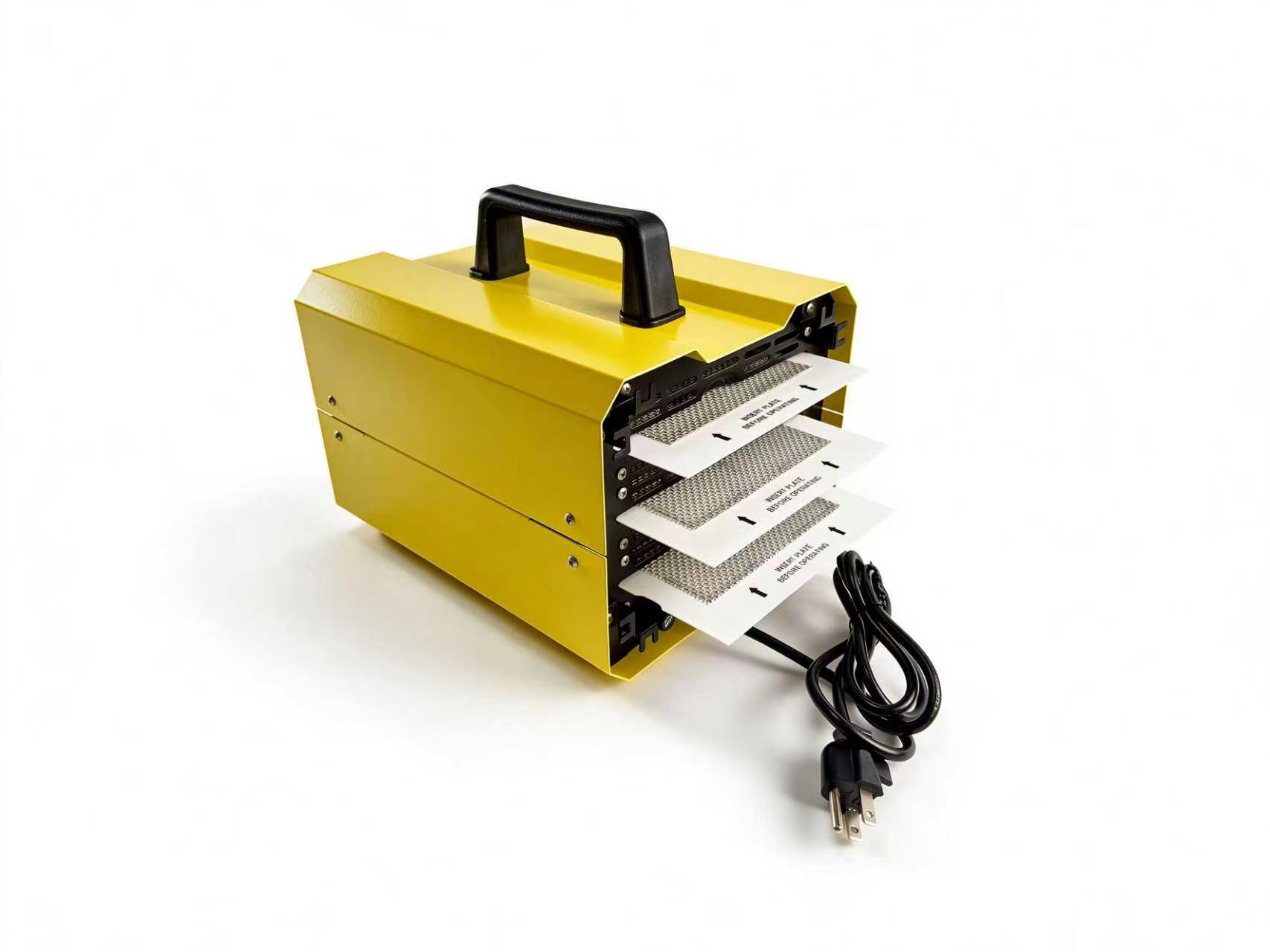
The unit is surprisingly light, tipping the scales at just under nine pounds. You can carry it with one hand while holding a laundry basket in the other. No need to clear a path or ask for help—just pick it up and head down the stairs.
The built-in handle sits flush against the back, so it doesn’t snag on doorframes. Even in tight stairwells, the narrow footprint lets you pivot around corners without scraping walls. Once you reach the basement, it tucks neatly beside a storage shelf or under a workbench.
That kind of mobility means you’re not locked into one spot. Run it in the bedroom overnight to keep the air dry, then shift it to the basement the next morning to tackle mustiness where it collects. It adapts to your routine instead of the other way around.
Unspoken Truths About Maintenance and Lifespan
People often assume that strictly following a maintenance schedule guarantees a long lifespan, but in reality many devices fail earlier due to over-maintenance. For instance, replacing parts that haven't reached their wear limit can introduce installation errors, compatibility issues, or risks from non-original components. The real value of maintenance lies not in frequency, but in precise intervention based on actual working conditions.
Another rarely discussed truth is that the upper limit of lifespan is largely determined at the design and manufacturing stage. No matter how diligently you maintain a product, you cannot compensate for inherent weaknesses in material selection, tolerance design, or heat dissipation structure. In other words, maintenance can slow decline, but it can hardly break through the "ceiling" of the original design.
There is also an overlooked fact: environmental factors affect lifespan far more than maintenance itself. Temperature fluctuations, humidity, dust, and voltage stability often accelerate aging silently. Many users blame insufficient maintenance for failures, while ignoring that the equipment has been operating in an unfavorable environment. A truly effective strategy to extend lifespan is to control the environment first, and then discuss maintenance intervals.
Rethinking Clean Air Beyond the Obvious Benefits
Most conversations about clean air stop at asthma rates and hospital visits, but the deeper story runs through offices, classrooms, and kitchens. Studies now link fine particulate matter to measurable drops in decision-making speed and short-term memory, meaning a stuffy conference room can quietly erode the quality of a negotiation. In schools, better filtration correlates with sharper test performance, not just fewer sick days—suggesting the real dividend of clean air is cognitive, not merely medical.
At the building level, the shift is from treating air as a compliance checkbox to treating it as infrastructure. Building operators are beginning to track CO₂ and volatile organic compounds the way they track temperature and humidity, adjusting ventilation in real time rather than once per season. This move beyond static filters and annual inspections reveals a second layer of benefit: energy efficiency paired with occupant comfort, where demand-controlled ventilation trims waste without sacrificing alertness. The result is a quiet redesign of indoor life, one where clean air becomes a tool for better judgment, better rest, and better long-term health in places we rarely think to audit.
FAQ
It pumps out ozone, which reacts with odor molecules, mold spores, and some bacteria, breaking them down instead of just covering them up. Because it's portable, you can move it from the bedroom to the basement or even take it in the car.
Better not. Ozone irritates the lungs, so you should leave the room during a treatment. After the cycle finishes, give it another 30 to 60 minutes for the ozone to break down, then open a window before you go back in.
Check the ozone output in mg/h and make sure it matches the room size you need. A reliable supplier will give clear specs, a safety timer, and a realistic warranty. If they claim one tiny unit can handle a whole warehouse, walk away.
Yes, those are the kinds of odors ozone handles well. It oxidizes the compounds causing the smell rather than masking them. For heavy smoke damage, you might need to run it a few times.
Usually 30 to 60 minutes does the job for a standard bedroom or small office. Bigger rooms or really bad odors might take a couple of hours. Just stick to the coverage area listed on the machine.
Not really. The main thing is to keep the ozone plate clean and occasionally replace it after a few years of heavy use. Dust off the air intake now and then, and you're good.
A regular air purifier traps particles in filters and runs all the time while you're around. An ozone machine actively creates ozone to neutralize odors and microbes, but you can't be in the room during use. They serve different purposes.
It can kill mold spores on surfaces and cut the musty smell, but it won't stop mold from coming back if the bathroom stays damp. You still need to fix the source of moisture.
Conclusion
A portable ozone machine doesn't just mask stale air—it actively breaks apart odor molecules that cling to carpets, upholstery, and damp corners. By releasing ozone (O₃), the unit oxidizes stubborn smells from smoke, pets, mildew, and cooking at their source, leaving rooms noticeably fresher without relying on heavy fragrances. That chemistry matters, but it also demands respect. A supplier worth trusting will walk you through safe usage windows, room occupancy rules, and ventilation needs rather than rushing you to checkout. Look for one that asks about your space size and air concerns before recommending a model. The best suppliers treat ozone as a targeted tool, not a miracle switch, and they'll tell you when it isn't the right fit. This honesty is rare, but it's the clearest sign you've found someone who cares about long-term air quality over a quick sale.
What sets a solid portable unit apart is how easily it moves from a bedroom closet to a basement workbench without losing effectiveness. Most models weigh under ten pounds and run quietly enough for overnight use in occupied spaces—after the treatment window closes and the room airs out. Maintenance is simpler than many brands admit: wipe the ozone plate occasionally, keep the intake clear, and expect the plate to wear down after a few years of regular use. Replacing that part costs far less than a new machine, but few suppliers volunteer this upfront. The real payoff goes beyond fresher air. Reduced odor buildup means less time scrubbing fabrics and fewer harsh chemical sprays. You're not just buying a gadget; you're changing how you manage stale, trapped air throughout the home. A supplier who understands that will offer practical guidance, honest lifespan expectations, and a machine that earns its place in every room it visits.
Contact Us
Contact Person: Paul Luo
Email: [email protected]
Tel/WhatsApp: 0086-19966314501
Website: https://www.lufutatech.com