

Oil-immersed Transformer Factory: A Comprehensive Guide to Efficient Industrial Transformers
2025-12-30
As industrial operations become increasingly reliant on stable, efficient power distribution, the role of transformers in ensuring seamless energy flow cannot be overstated. Are you looking to optimize your facility's electrical systems with reliable, high-performance equipment? At Lugao, we specialize in crafting oil-immersed transformers that meet the rigorous demands of modern industrial environments. In this comprehensive guide, we'll explore the key features, benefits, and innovative solutions that set our transformers apart, helping you make informed decisions to enhance operational efficiency and reliability. Join us as we delve into the core components and best practices for selecting, installing, and maintaining these essential devices, tailored to drive productivity and long-term value for your business.
Understanding Oil-immersed Transformer Core Components
An oil-immersed transformer relies on several key core components that work in tandem to transform electrical energy efficiently and safely. The heart of the system is the magnetic core, typically made from laminated silicon steel sheets to minimize eddy current losses and enhance performance under varying loads. This core is submerged in insulating oil, which not only cools the transformer by dissipating heat but also provides electrical insulation to prevent short circuits between windings and other conductive parts. Understanding these elements is crucial for anyone involved in the design, maintenance, or operation of such equipment.
One often-overlooked aspect is the significance of the tank and its accessories, which house the core and windings. The tank is robustly constructed to contain the insulating oil and withstand internal pressures, while features like conservators and breathers manage oil expansion and moisture ingress. Additionally, bushings and tap changers allow for external connections and voltage adjustments, ensuring the transformer adapts to grid demands. By delving into these components, users can appreciate how each piece contributes to reliability and longevity, distinguishing this design from dry-type alternatives.
In practice, the interplay between the core and oil is vital for thermal management and fault protection. The oil circulates naturally or via pumps, carrying heat away from hotspots to radiators, where it cools before returning. This cycle maintains optimal operating temperatures and prevents insulation degradation. Moreover, protective devices like Buchholz relays monitor gas accumulation from internal faults, offering early warnings. Grasping these dynamics helps operators optimize performance and troubleshoot issues, making oil-immersed transformers a dependable choice for high-voltage applications worldwide.
Advanced Cooling Systems for Peak Transformer Performance
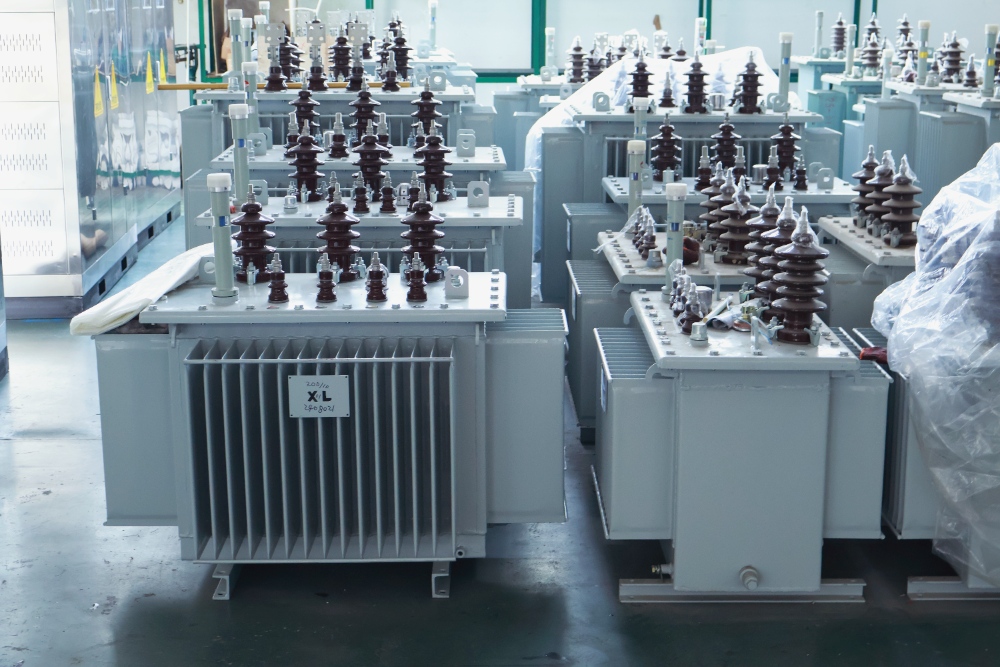
When it comes to maintaining transformers at their optimal performance levels, advanced cooling systems play a crucial role. These innovative solutions go beyond traditional methods, incorporating technologies like forced-air and liquid cooling to handle higher thermal loads efficiently. By actively managing heat dissipation, they help prevent overheating, reduce energy consumption, and extend the equipment's operational lifespan, ensuring reliability even under demanding conditions.
Recent advancements in cooling systems have introduced smart features such as adaptive thermal control and real-time monitoring. These systems use sensors and IoT connectivity to adjust cooling rates based on actual load and environmental changes, providing a dynamic response that minimizes wear and tear. This proactive approach not only enhances safety but also optimizes maintenance schedules, cutting down on unexpected downtime and operational costs.
Moreover, the integration of eco-friendly materials and energy-efficient designs sets these cutting-edge cooling solutions apart. By leveraging phase-change materials or advanced insulation, they reduce the overall carbon footprint while delivering superior performance. Such systems are increasingly favored in industrial and utility settings, where peak transformer efficiency translates into significant energy savings and a stronger competitive edge.
Custom-Built Solutions for Diverse Industrial Applications
In today's fast-paced industrial landscape, a one-size-fits-all approach simply doesn't cut it. We specialize in crafting bespoke solutions that are meticulously tailored to the unique challenges and requirements of each sector, whether it's manufacturing, energy, or logistics. By diving deep into your operational specifics, we develop systems that not only meet current demands but also adapt seamlessly to future innovations, ensuring your business stays ahead of the curve with minimal disruption.
Our methodology revolves around a hands-on collaboration with clients, where we analyze every nuance of their processes to engineer solutions that are both practical and scalable. From automated machinery that boosts efficiency in production lines to smart monitoring tools that enhance safety in hazardous environments, each project is built from the ground up. This custom approach eliminates the compromises often found in off-the-shelf products, delivering outcomes that are precisely aligned with your goals and industry standards.
Beyond just providing tools, we focus on creating integrated ecosystems that foster long-term growth and resilience. By leveraging cutting-edge technologies and sustainable practices, our solutions help industries reduce waste, optimize resources, and navigate regulatory complexities with ease. In a world where adaptability is key, our personalized services empower companies to innovate confidently and maintain a competitive edge in diverse markets.
Innovative Safety Features in Modern Transformer Design
Modern transformers are incorporating smart technologies that go beyond traditional safety measures. For instance, real-time monitoring systems use sensors to detect temperature fluctuations, oil levels, and gas accumulation, enabling operators to address potential faults before they escalate. These innovations significantly reduce downtime and enhance grid reliability, making transformers more resilient in dynamic environments.
Another leap forward is the integration of advanced fault detection algorithms, which analyze operational data to identify subtle anomalies. This allows for predictive maintenance, shifting from reactive fixes to a proactive approach. By minimizing unexpected failures, these systems contribute to safer energy distribution and optimized performance across power networks.
Additionally, eco-friendly insulation materials are gaining traction, designed to be less flammable and more durable. Coupled with automated fire suppression mechanisms, these features mitigate risks associated with overheating or electrical faults. Together, these cutting-edge elements redefine safety standards, ensuring transformers meet the demands of modern infrastructure while prioritizing operational integrity.
Streamlining Manufacturing with Automated Assembly Lines
Automated assembly lines revolutionize traditional manufacturing by integrating robotics and smart technology to perform repetitive tasks with unparalleled precision. Unlike manual processes, they operate continuously, boosting output while minimizing human error. This shift not only accelerates production but also allows companies to adapt quickly to market demands, making factories more agile and responsive.
Beyond speed, these systems enhance workplace safety by handling hazardous or strenuous operations, reducing injury risks for employees. They enable customization at scale, with flexible machinery that can switch between product variants seamlessly, offering a competitive edge in dynamic industries. This adaptability ensures manufacturers can innovate without compromising efficiency, fostering a culture of continuous improvement.
Moreover, automated lines contribute to sustainability by optimizing resource use and energy consumption, aligning with eco-friendly goals. As technology evolves, features like real-time data analytics and IoT connectivity further streamline operations, enabling predictive maintenance and smarter decision-making. Ultimately, this automation isn't just about replacing labor—it's about empowering human workers to focus on strategic roles, driving innovation and long-term growth.
Quality Assurance Protocols for Long-Term Reliability
Effective quality assurance protocols for long-term reliability involve proactive strategies to identify and address potential issues before they escalate. This includes regular system audits, performance monitoring, and predictive maintenance schedules tailored to the specific demands of the technology or product. By embedding reliability checks into every phase of development, teams can ensure that durability is not just an afterthought but a core design principle. For instance, in manufacturing, this might mean rigorous material testing and environmental simulations to mimic years of use in a controlled setting. Such an approach minimizes downtime and extends the lifespan of components, directly boosting customer satisfaction and reducing lifecycle costs.
A standout aspect of these protocols is their reliance on data-driven insights rather than reactive fixes. Leveraging advanced analytics and machine learning, organizations can spot subtle trends or anomalies that signal future failures, allowing for preemptive interventions. This method transforms quality assurance from a static checklist into a dynamic, continuously improving process. It's about anticipating wear and tear based on real-world usage patterns, ensuring that reliability is maintained over decades, not just initial deployment. In practice, this could involve integrating sensors in products to feed back performance data, enabling adjustments before minor issues become costly problems.
Moreover, long-term reliability hinges on comprehensive documentation and training, ensuring that protocols are consistently applied across teams and over time. Clear guidelines help standardize practices, while ongoing training keeps personnel updated on the latest techniques and tools. This human element is crucial, as even the most advanced systems depend on skilled execution. By fostering a culture where reliability is everyone's responsibility, from engineers to field technicians, companies can build a reputation for products that withstand the test of time, fostering trust and loyalty among users. This holistic view integrates technology, process, and people to create a robust framework that adapts to evolving challenges.
FAQ
An oil-immersed transformer uses mineral oil or other insulating fluids to cool and insulate its core and windings, allowing for higher efficiency and durability in industrial settings. Unlike dry-type transformers, which rely on air or solid insulation, oil-immersed models are better suited for heavy-duty applications due to their superior heat dissipation and longer lifespan under high loads.
They are preferred in factories for their robustness and ability to handle large power demands over extended periods. The oil cooling system effectively manages heat generated during operation, reducing the risk of overheating and ensuring stable performance in environments with fluctuating electrical loads, which is critical for maintaining continuous manufacturing processes.
Key maintenance includes regular oil testing to check for contaminants and moisture, which can degrade insulation. Additionally, inspecting bushings, checking for leaks, and monitoring temperature and pressure gauges are vital to prevent failures. Scheduled professional servicing helps extend the transformer's life and maintain safety standards.
By efficiently cooling the transformer components, they minimize energy losses due to heat, leading to lower operational costs. This improved thermal management allows factories to run at optimal power levels without excessive energy waste, supporting sustainable practices and reducing overall electricity consumption.
Safety protocols include installing fire protection systems, such as barriers or extinguishers, due to the flammable nature of the oil. Proper ventilation to disperse any potential vapors, regular grounding checks, and employee training on emergency procedures are crucial to mitigate risks and ensure a secure workplace.
Important considerations include the transformer's capacity and voltage ratings to match the factory's power needs, the type of insulating oil based on environmental conditions, and space requirements for installation. Compatibility with existing electrical systems and future scalability should also be evaluated to avoid costly upgrades.
Optimal installation involves placing the transformer in a well-ventilated, accessible area to facilitate cooling and maintenance. Ensuring proper foundation support to reduce vibrations, using high-quality cabling, and aligning it with load distribution can boost efficiency and reliability, preventing operational disruptions.
Recent innovations include the use of biodegradable oils for environmental safety, enhanced monitoring systems with IoT sensors for real-time data on performance, and designs that improve load-handling capabilities. These advancements help factories achieve greater reliability, lower maintenance costs, and compliance with stricter regulations.
Conclusion
Oil-immersed transformers are integral to modern industrial operations, and this comprehensive guide delves into the core components and advanced systems that drive their efficiency. Key aspects include the detailed examination of transformer core components, which form the foundation of reliable performance, coupled with advanced cooling mechanisms to ensure optimal thermal management under heavy loads. These elements work synergistically to enhance durability and operational stability, making oil-immersed transformers a preferred choice in demanding environments. By integrating innovative safety features with robust design principles, modern transformers mitigate risks and uphold stringent industry standards, contributing to safer and more resilient power distribution networks worldwide.
Beyond basic functionality, this guide highlights custom-built solutions tailored for diverse industrial applications, from manufacturing plants to utility grids, ensuring transformers meet specific operational needs. Streamlining manufacturing through automated assembly lines boosts production efficiency and consistency, while rigorous quality assurance protocols guarantee long-term reliability and minimal downtime. Together, these factors enable factories to deliver high-performance transformers that adapt to evolving technological demands, emphasizing sustainability and cost-effectiveness. The holistic approach outlined here empowers industries to leverage oil-immersed transformers as strategic assets, driving innovation and maintaining a competitive edge in global markets.
Contact Us
Contact Person: Doreen
Email: [email protected]
Tel/WhatsApp: 8618057712366
Website: https://www.liugaopower.com/