

ODM Glucomannan Fiber Supplement Supports Healthy Weight Loss Naturally
2026-09-21
Struggling to find a natural solution that actually supports healthy weight loss? You’re not alone—most supplements overpromise and underdeliver. But what if the key lies in a simple, clinically studied fiber? Enter glucomannan, a dietary fiber known for its ability to promote satiety and curb cravings. At INT, we take this a step further with our ODM Glucomannan Fiber Supplement, crafted for those who want real results without harsh chemicals or unrealistic claims. In this post, we’ll break down how this supplement works with your body, not against it, and why it’s becoming a go-to for natural weight management. Ready to rethink your approach? Let’s dive in.
The Sponge-Like Fiber That Curbs Snack Attacks
Imagine a fiber that behaves like a tiny sponge once it hits your stomach. Derived from the konjac root, glucomannan can absorb up to fifty times its weight in water, swelling into a thick gel that lingers long after you've finished your meal. That physical expansion is the first clue to how it tames between-meal hunger.
When this gel forms, it slows the rate at which food leaves your stomach, keeping you feeling full for several hours. At the same time, it blunts the post-meal blood sugar spike that often leads to a crash-and-crave cycle. Instead of reaching for a vending machine bag two hours after lunch, your body reads the situation as still satisfied—no willpower required.
One caveat: the fiber needs plenty of water to do its job safely and comfortably, so a glass or two alongside is non-negotiable. For anyone who struggles with constant snacking, trading a handful of chips for this unassuming sponge-like fiber may be a small shift with a surprisingly large payoff.
Appetite Quiet, Energy Steady, No Stimulants
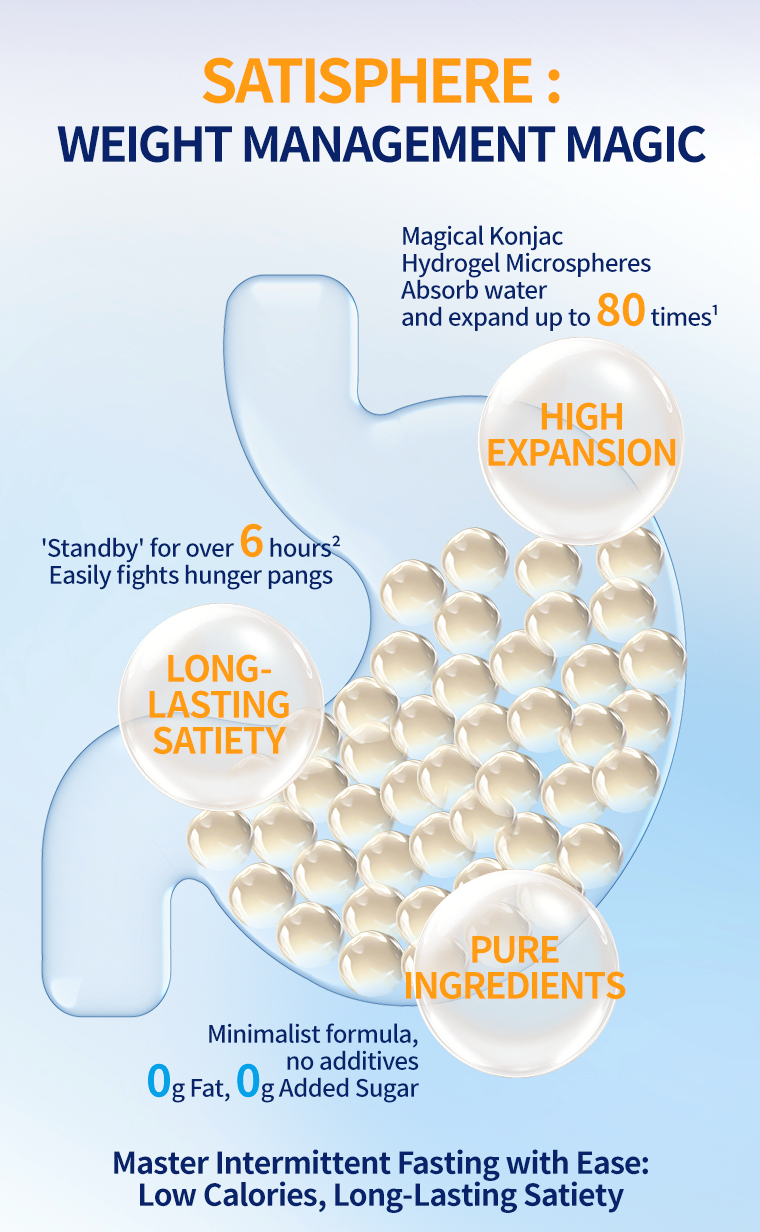
The first thing you'll notice is what's missing: the jittery rush that usually comes with an energy boost. This blend keeps things level, so your focus stays clear without making your heart race or your appetite spike. Hunger drifts into the background quietly—not because it's being crushed, but because steady glucose and a calm nervous system don't send constant snack signals.
What remains is a reliable, even energy that lasts through the day. There are no mid-morning slumps or late-afternoon crashes to ride out, and no need for another cup of coffee to patch things up. It feels less like being switched on and more like having a smooth, sustained current running underneath everything you do.
How Glucomannan Smooths Blood Sugar Swings
When you eat a meal heavy in carbohydrates, your digestive system typically breaks those starches down into glucose at a rapid clip, sending blood sugar soaring. Glucomannan changes that timeline. As a soluble fiber, it absorbs water and swells into a thick gel in the stomach and small intestine. This gel traps some of the sugars and slows their release into the bloodstream, so the post-meal spike becomes a gentler, more drawn-out curve instead of a sharp peak.
That slower absorption does more than just flatten the initial rise. It also reduces the demand on your pancreas to pump out a large amount of insulin all at once. With less insulin surging through your system, blood sugar falls more gradually afterward, which helps prevent the rebound hunger and energy crashes that often follow a high-carb meal. Over time, this kind of steadier glycemic response may support better overall metabolic flexibility.
In practice, glucomannan works best when it has direct contact with food, so taking it shortly before or with a carbohydrate-containing meal gives the gel enough time to form. Even small adjustments in meal timing can make a noticeable difference, though individual responses vary depending on the fiber’s viscosity and the composition of the rest of the meal.
A Prebiotic Feast for Your Gut Microbiome
Think of your gut as a bustling, microscopic city where trillions of residents never sleep. Most of us have heard about probiotics, the friendly bacteria that move in and set up shop. But what do those residents eat? That’s where prebiotics step into the spotlight—dietary fibers that human enzymes can’t digest, but your gut microbes absolutely love. Instead of feeding you, they feed the community inside you, shaping which strains thrive and which fade away. It’s less about adding new tenants and more about keeping the existing ones well-fed, happy, and ready to work.
The beauty of a prebiotic-rich plate is that it doesn’t demand exotic powders or expensive supplements. Everyday foods quietly packed with these fibers—chicory root, Jerusalem artichokes, dandelion greens, garlic, onions, leeks, asparagus, bananas that are still a little green, oats, and apples—can turn an ordinary meal into a feast for your inner ecosystem. When these fibers reach the colon, they get fermented into short-chain fatty acids like butyrate, which fuel the cells lining your gut and help keep inflammation in check. You may not feel the party happening, but your microbiome does, and the benefits ripple outward: smoother digestion, steadier energy, and a calmer immune response.
Variety matters more than chasing a single “superfood.” Different prebiotic fibers favor different bacterial families, so rotating your sources is like offering a diverse menu at a community potluck. Start small if your gut isn’t used to them—a sudden fiber surge can cause bloating or gas. Add a few slices of raw onion to a salad, toss asparagus into a stir-fry, or blend a slightly green banana into a smoothie. Over time, the invisible crowd inside you becomes more resilient, more diverse, and more capable of guarding the gates. The feast doesn’t need to be loud or complicated; it just needs to be consistent, colorful, and genuinely plant-forward.
Natural Fullness Without the Diet Battle
Feeling full doesn't have to mean fighting your own hunger or forcing down another bland salad. It can be as simple as letting your meals carry more weight—literally. Think roasted root vegetables tossed in a little olive oil until their edges crisp, a handful of toasted seeds scattered over a bowl of greens, or a warm lentil stew that thickens as it simmers. These foods aren't performing fullness; they simply are full, because they bring fiber, water, and steady energy to the table without asking you to count a single thing.
The quiet trick is that satisfaction often comes from how food feels, not just what it contains. A spoonful of creamy avocado folded into black beans, a slice of dense wholegrain bread with a smear of almond butter, or a bowl of oats left to soak overnight with grated apple and cinnamon—none of these demand willpower. They reward you with a kind of ease that lasts until the next meal, so the urge to graze or overcorrect fades on its own.
You don't need to win a war against your appetite. You just need to stop arming it with empty promises. When meals are built with enough texture, warmth, and honest substance, fullness stops being a battleground and starts being a byproduct—one that arrives quietly, without a single rule to follow.
One Scoop, Zero Guesswork, All-Day Control
Gone are the days of eyeballing a heaping mound and hoping for the best. One level scoop is all it takes—no scales, no second-guessing, no spilled powder on the counter. The dose is already dialed in, so you just scoop, stir, and get on with your morning.
That consistency isn’t just about convenience. It means the active ingredients hit your system at a steady, predictable rate, keeping things smooth from breakfast to dinner. No mid-afternoon crash, no sudden spike, just a flat line of control that lets you focus on everything else.
Over time, this simple ritual becomes second nature. You stop thinking about measuring and start trusting the process. One scoop, every day, and the rest takes care of itself.
FAQ
It absorbs water in your stomach and expands into a thick gel, which takes up space and helps you feel full sooner. This can naturally reduce how much you eat without relying on stimulants.
Take it about 30 minutes before a meal with a full glass of water. That gives the glucomannan time to expand so you feel satisfied before you start eating.
No, it's formulated as a pure glucomannan fiber with no added stimulants, fillers, or artificial flavors. The goal is to keep it simple and close to the source.
Yes, glucomannan is derived from the konjac root, so it's naturally plant-based and free from gluten. Just double-check the label for any cross-contamination notes if you have severe allergies.
ODM focuses on consistent sourcing and a finely milled powder that mixes more smoothly into liquids. That makes it easier to take regularly without the clumping you sometimes get with cheaper options.
Most people notice reduced appetite within the first few days, but meaningful weight changes depend on your overall eating habits and activity level. It's a tool, not a magic bullet.
Starting with a smaller dose and increasing gradually can help avoid bloating or digestive discomfort. Always drink plenty of water, and check with a doctor if you have any swallowing issues.
Conclusion
Glucomannan doesn't work by tricking your brain or revving up your heart rate. It's a soluble fiber that absorbs water and expands into a thick, gel-like mass in your stomach. That slow-forming bulk is what makes a small snack or modest meal feel far more satisfying than it usually would. Because the gel moves through your digestive tract at a steady pace, the typical mid-afternoon snack attack loses its edge. You still eat normally, but the urgent need to keep picking at food fades. At the same time, this same fiber slows carbohydrate absorption, which helps keep post-meal blood sugar from spiking and crashing. Instead of riding that tired, irritable wave after lunch, energy holds more level. And since glucomannan is a prebiotic, it feeds the beneficial bacteria in your lower gut. Over time, that can shift the microbial balance in a direction linked to better metabolic health and less inflammation, not just better digestion.
What makes ODM Glucomannan Fiber Supplement easy to stick with is the absence of stimulants and complicated rules. There's no caffeine, no jittery feeling, and no need to rearrange your whole day around a diet plan. One scoop mixed into water before a meal gives you a simple, repeatable routine. The fiber's expansion does the quiet work of appetite control, so you're not relying on willpower alone. And because fullness develops naturally, the constant battle against cravings stops feeling like a battle at all. You eat less because your body signals that it's had enough, not because you're forcing yourself to stop. That's the kind of support that fits into real life: consistent, calm, and entirely predictable. No guesswork about timing, portions, or special combinations. Just one scoop, a glass of water, and a steady sense of control that carries through the day.
Contact Us
Contact Person: Jeffrey
Email: [email protected]
Tel/WhatsApp: 86-0633-2230056
Website: https://www.sd-intmedical.com