

NXDN Radio Wholesaler for Reliable Communication Equipment
2026-09-13
Choosing the right NXDN radio wholesaler means equipping your team with communication tools that stand up to real-world demands. Many suppliers focus only on sales, but overlook how devices perform in the field. lisheng is different—we specialize in reliable, rugged NXDN radio equipment, and every unit is thoroughly tested before delivery. In this article, you'll learn how to spot truly dependable communication gear, and why partnering with a focused wholesaler saves you from future headaches.
Why NXDN Still Beats Analog for Mission-Critical Voice
Analog radios fall apart exactly when you need them most. Wind, engine noise, and distance turn a simple message into a guess, and in a critical moment guessing is not good enough. NXDN keeps the voice signal intact by converting it to digital packets and cleaning up the noise before it reaches the speaker. The result is clear audio even at the edge of coverage, where an analog transmission would fade into static.
The real advantage shows up in spectrum efficiency. NXDN fits a voice channel into 6.25 kHz, while a typical analog wideband channel eats up 25 kHz. That means you can run four digital conversations in the same space as one analog call, freeing up capacity for dedicated dispatch or emergency channels without waiting for new frequencies. The digital error correction also removes the pops and hiss that make analog messages sound garbled, so every syllable lands the way it was spoken.
Beyond clearer audio, NXDN carries data alongside voice without extra hardware. Unit IDs appear on the screen, emergency buttons trigger priority calls automatically, and GPS coordinates can ride along with a routine check-in. Analog radios cannot offer that level of built-in accountability. For teams coordinating a rescue or securing a facility, knowing who is talking and where they are is not a convenience—it changes the outcome.
Our Wholesale Lineup: Handhelds, Mobiles, and Repeaters Built to Last
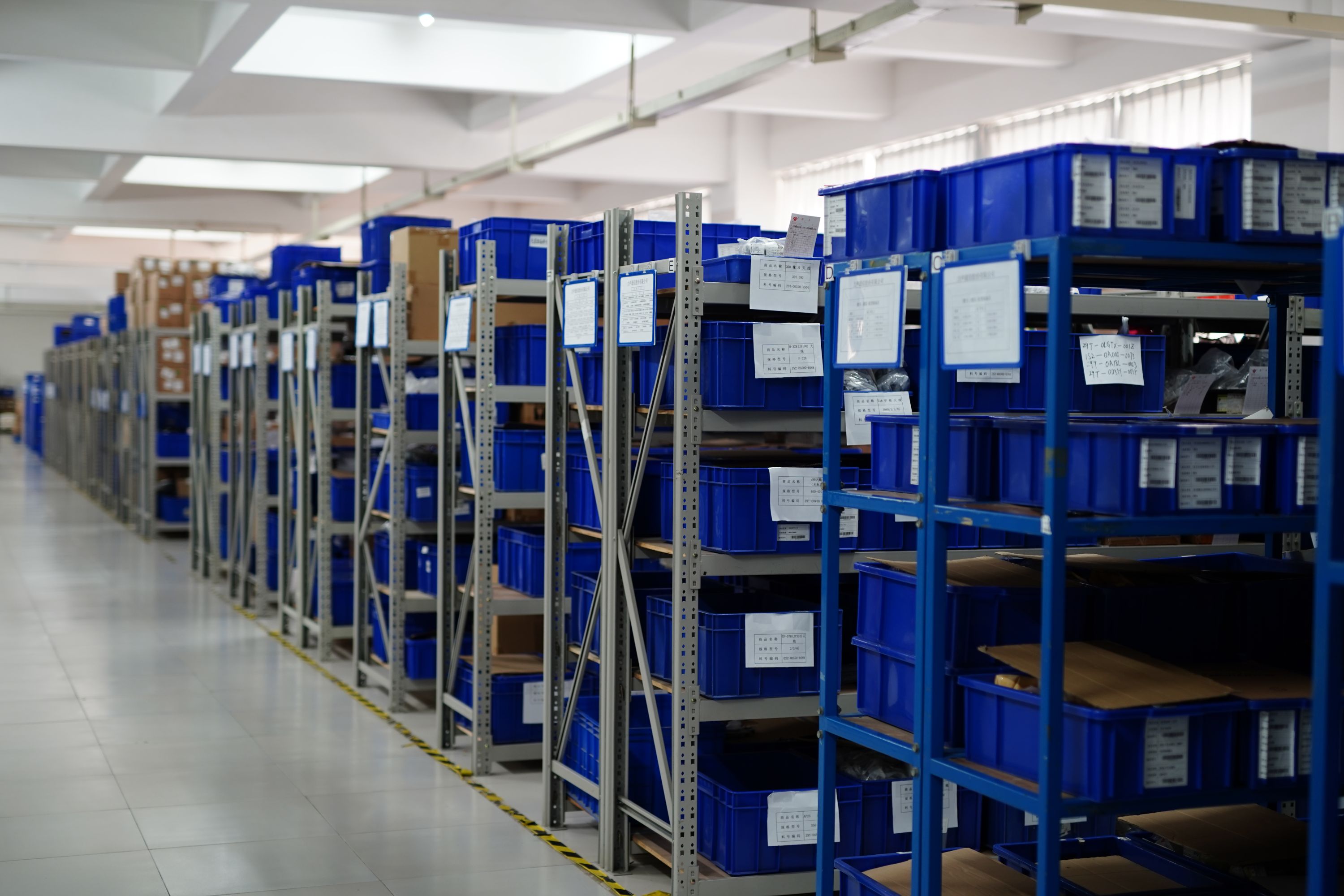
We built this wholesale range for dealers who need equipment that survives more than the first season. Every handheld and mobile in the lineup goes through extended drop tests, dust and moisture exposure, and temperature cycling before it earns a spot. The repeaters are just as unforgiving: cast-aluminum chassis, passive cooling, and continuous-duty ratings mean they keep a site online without someone nursing a fan module.
Stock moves fast, so we keep common accessories and programming cables bundled by default. If a unit does fail, you get a replacement shipped before you send the old one back — no repair ticket limbo. That’s the kind of dependability your customers notice on a job site, not in a spec sheet.
For mixed fleets, the mobiles and handhelds share the same audio accessories and charging trays, which cuts down on the cable clutter and confusion that eats into install time. Repeaters accept both analog and digital modes out of the box, so upgrading a legacy system doesn’t mean ripping out the backbone.
How We Vet Every Radio for Field Reliability Before It Reaches You
Before any radio earns a spot in our lineup, it goes through a gauntlet that mimics the worst days you might encounter outdoors. We cycle units through rapid temperature shifts from freezing mornings to scorching dashboards, then run them in high-humidity chambers to make sure moisture doesn't creep into the circuitry. Every knob, button, and port gets mechanically worked past its rated lifespan while the radio stays powered, so weak solder joints and flimsy seals show themselves long before packaging.
Field reliability also means surviving drops, dust, and constant vibration. We clamp radios to a shaker table tuned to the frequency of a truck bed on washboard roads, then tumble them from waist height onto concrete at multiple angles. Antenna connections are yanked, twisted, and re-seated dozens of times; batteries are drained and recharged under load to catch voltage sag. A radio only makes it to the shelf after it still hits full transmit power and clean receive audio on the other side of this abuse.
Streamlined Bulk Ordering for Teams That Need Gear Fast
When your crew is down to their last shirts and the job starts Monday, waiting on a standard ordering cycle isn't an option. Our bulk ordering flow strips out the back-and-forth so you can pick sizes, set quantities, and lock in delivery dates without chasing a rep. It's built for the moment when someone says "we need fifty hoodies by Friday" and actually means it.
Every step is designed to cut friction: preset team rosters, saved order templates, and one-click reorders keep repeat purchases under ten minutes. No spreadsheets, no email chains, no guesswork about what shipped. You'll see exactly what's in stock, what's leaving the warehouse, and when it lands at your door.
Real-World NXDN Deployments: Where Clear Channels Matter Most
In rail yards and freight corridors, NXDN’s 6.25 kHz channel spacing lets operators pack more talk paths into legacy VHF/UHF spectrum without waiting for wideband clearance. When a maintenance crew near a switching yard calls in a brake fault, the transmission has to get through the first time—there’s no chance to repeat over a roaring locomotive or a noisy intermodal terminal.
Utility SCADA and telemetry sites often sit on ridge tops or inside concrete vaults where co-channel interference from adjacent systems is a daily battle. NXDN’s tight filtering and digital error correction make a measurable difference in these pockets, giving dispatchers a clean link even when neighboring repeaters are only a few kilohertz away. The standard earns its keep in load-shedding events, where every missed packet could delay a breaker command.
For smaller public safety and campus security teams, clear channels matter not just for coverage but for accountability. NXDN’s individual and group ID features let a hospital security desk hear a panic alarm from a parking garage without the static and squelch tails common on analog. In these settings, a clear channel is less about distance and more about knowing the signal won’t be stepped on by a taxi radio or a paging transmitter.
Programming, Encryption, and Support: We Don't Just Sell Boxes
When you buy hardware from most vendors, the relationship ends the moment the box leaves the warehouse. That never sat right with us. Our approach starts with programming, because a device without tailored firmware is just a paperweight with a warranty. We load your specific configurations, test edge cases, and make sure the first boot doesn't require a week of troubleshooting. Encryption isn't an afterthought either—it's woven into the initial setup so your data is protected before it ever leaves your hands.
But the real difference shows up when something breaks. Support here doesn't mean a scripted phone tree or a ticket that vanishes into a queue. You get direct access to engineers who actually know the hardware you bought, not just a flowchart. We've had customers call about a failed power supply at 2 a.m. and have a replacement shipped by sunrise, with a note on how to avoid the same fault. That's not a service promise; it's how we work every single day.
We've also learned that boxes are just the start. A sensor array in a cold storage facility needs different tuning than one in a desert server room. We adjust, re-flash, and re-encrypt as environments change. If a firmware update breaks a legacy system, we don't point fingers—we roll back, patch, and document. So when we say we don't just sell boxes, it's not a slogan. It's a reminder that the hardware is only as good as the people who program it, encrypt it, and stand behind it.
FAQ
NXDN units are built around narrowband digital tech, which keeps signals clear even where analog gear turns noisy. Housings are generally rugged enough for daily knocks, and many models carry weather-resistant ratings. For teams in construction, security, or field logistics, that means fewer dropouts and less time spent swapping out damaged handsets.
It depends on the supplier, but established wholesalers tend to work on tiered pricing tied to order size. Instead of a flat per-unit rate, you might see breaks at 25, 50, and 100 radios, plus optional package deals that include antennas, chargers, and programming cables. The real savings usually come from bundling accessories up front rather than adding them piecemeal later.
Many wholesalers offer programming as a standard service, not an upsell. You provide channel plans, talk groups, or ID lists, and the radios arrive ready to use out of the box. This cuts setup time dramatically for mid-sized fleets and avoids the hassle of training staff on programming software just to get basic communication running.
Yes, because NXDN is designed to work in narrowband channels, often making the transition smoother than jumping to a completely different digital protocol. You can run mixed analog and digital modes on some repeaters, so fleets can upgrade gradually. Wholesalers who understand this often stock dual-mode capable units for exactly that reason.
Look beyond the unit price. Confirm licensing requirements for your region, check compatibility with existing repeaters or base stations, and ask about warranty handling for large batches. A reliable wholesaler will be upfront about lead times and won't push you toward a one-size-fits-all order if your actual deployment calls for a mix of handhelds and mobiles.
They tend to perform well because digital noise reduction cleans up background interference that often buries analog voice. The protocol's error correction helps maintain intelligibility around heavy machinery or dense buildings. Some models also have enhanced audio profiles for loud environments, which is worth asking about if your crew works near compressors, engines, or steel structures.
It varies. If the models are already in a local warehouse, reordering might take a few business days. For imported or less common variants, lead times can stretch to several weeks. Good wholesalers share live inventory counts and offer realistic delivery windows rather than promising instant availability and then pushing dates back.
Conclusion
NXDN still beats analog where it counts—mission-critical voice doesn't tolerate static or dropped syllables. As a wholesaler focused on reliable communication gear, we stock handhelds, mobiles, and repeaters that are built to survive hard daily use, not just look good on a spec sheet. Each radio goes through a hands-on vetting process before it reaches your loading dock, because field reliability has to be proven before a crew depends on it. Bulk ordering is kept straightforward for teams that need equipment fast, and we handle programming, encryption, and ongoing support ourselves. You're not just buying boxes; you're getting gear that's ready to key up the moment it arrives.
Real-world NXDN deployments show why clear channels matter—rail yards, plant floors, and security fleets run on voice that cuts through noise without fading. Digital clarity holds up in environments where analog turns to mush, and our lineup is chosen to sustain that advantage across long shifts and harsh conditions. Whether you're outfitting a five-person maintenance crew or coordinating security across multiple sites, we treat every bulk order as if it's heading into the field tomorrow morning. That practical approach, minus the sales fluff, is what keeps teams coming back when they need dependable radios without the wait or the guesswork.
Contact Us
Contact Person: andrea
Email: [email protected]
Tel/WhatsApp: (+86)13960400802
Website: https://www.lishengradio.com/