

Instant Noodles Production Line Factory: How Modern Manufacturing Delivers Your Favorite Meal
2026-05-15
Ever wondered how your favorite instant noodles go from raw ingredients to that steaming bowl in minutes? Step into the world of modern manufacturing with MINGDE, where cutting-edge production lines transform simple flour and water into a global comfort food. In this post, we’ll take you behind the scenes of an instant noodles production line factory, revealing the precision, speed, and innovation that make it all possible.
The Hidden Chemistry of Instant Noodle Dough
The magic of instant noodles starts long before boiling water hits the cup. In the dough mixing stage, a precise blend of flour, water, and alkaline salts kicks off a series of chemical reactions that transform simple ingredients into the springy, chewy texture we crave. Potassium carbonate and sodium carbonate, often referred to as kansui in Asian noodles, raise the pH of the dough, strengthening the gluten network and giving the noodles their characteristic yellow hue. This alkaline environment also accelerates the Maillard reaction during steaming and frying, creating subtle savory notes that define the final product.
What truly sets instant noodle dough apart is the interplay between starch and protein at the molecular level. Wheat flour contains two key proteins—glutenin and gliadin—which, when hydrated, bond to form gluten. The mechanical stretching and folding during sheeting aligns these gluten strands, building a structure that holds up under rapid rehydration. Meanwhile, the starch granules partially gelatinize during the steaming phase, then retrograde as the noodles cool, locking in a firm matrix. This delicate balance ensures the noodles soften quickly in hot water without turning mushy.
Few realize that the frying process itself is a chemical milestone. Instant noodles are flash-fried at around 150°C, which rapidly evaporates water and creates a porous network of tiny capillaries. These microscopic channels act as highways for hot water, allowing near-instant rehydration. The oil absorbed during frying not only preserves the noodles but also carries fat-soluble flavors, embedding a rich mouthfeel into the strands. Even the sizzle you hear when pouring water is a testament to this carefully engineered architecture—a hidden symphony of chemistry and texture working in unison.
Why Your Noodles Stay Firm but Not Hard
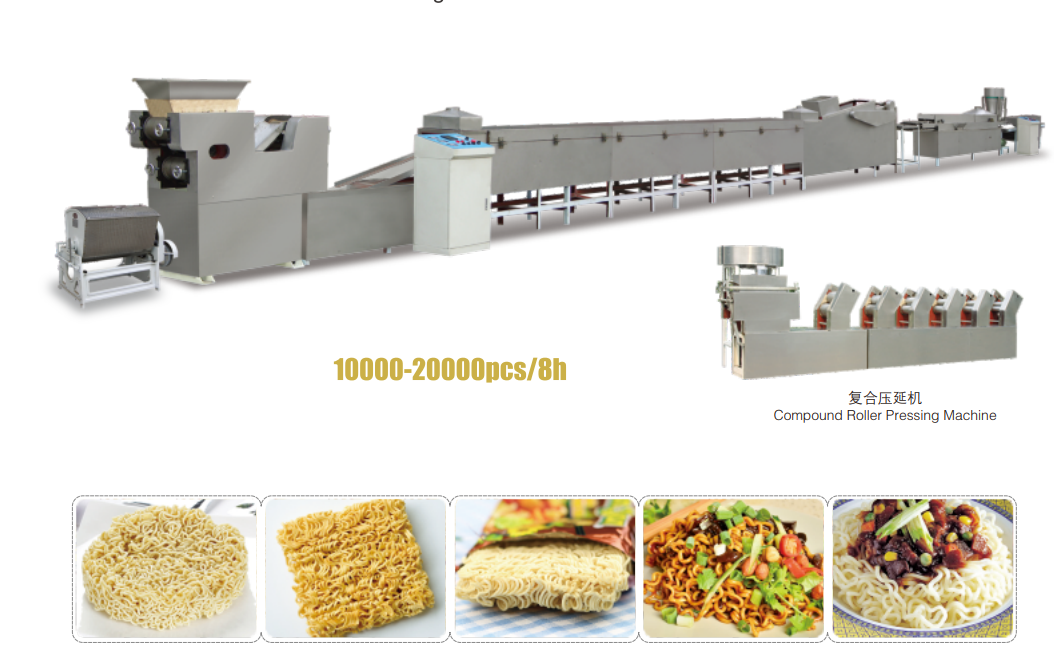
Ever notice how a good bowl of ramen or udon has noodles that hold their shape and offer a pleasant chew without turning into tough, jaw-tiring strands? The secret starts in the dough. High-protein wheat flour gives the noodles that essential gluten network, but it’s the careful kneading and resting that aligns the proteins just enough—too much, and they’d seize into a dense, unforgiving mass. Instead, the goal is a supple structure that can trap water without losing its backbone.
The real magic, though, often lies in the alkaline salts—like kansui in ramen—that tweak the pH of the dough. This alkalinity does two things: it strengthens the gluten bonds even further and uniquely alters the starch, making it less likely to swell into a mushy paste when boiled. The result is a noodle that cooks through quickly, yet stays resilient, with that signature bounce. Even without alkaline water, a brief dip in ice water after boiling can halt the cooking process at the perfect moment, firming up the exterior while the core remains tenderly al dente.
Turning Temperature and Time into Taste
Heat and patience are the silent architects of flavor. A gentle simmer coaxes sweetness from onions, while a quick sear locks in the juices of a steak. It’s not about following a timer blindly—it’s about feeling when the Maillard reaction has done its work, when the sugars have caramelized just enough, when a broth has deepened into something rich and complex. Temperature decides the texture; time decides the depth. Together, they transform raw ingredients into something that tells a story on the plate.
Flash Frying: The 60-Second Transformation
Flash frying works its magic in under a minute, turning raw ingredients into crisp, golden perfection. The searing heat locks in juices and creates a delicate crust that shatters with each bite, yet the interior remains tender and full of natural flavor.
This rapid cooking method relies on a thin batter or a light dusting of starch, which puffs up instantly upon contact with hot oil. The trick is maintaining the oil at the right temperature—usually around 350°F to 375°F—so the food cooks evenly without absorbing excess grease. A quick dip, a brief sizzle, and what emerges is a dish that tastes improbably fresh despite its fried exterior.
Unlike deep frying, flash frying doesn't weigh down the palate. It's a celebration of texture and immediacy, best enjoyed straight from the basket. The 60-second process isn't just about speed; it's a controlled dance of heat and timing that elevates simple ingredients—shrimp, squid, thin slices of vegetable—into something unexpectedly elegant.
Powder Packets: A Universe in a Sachet
Tear open one of these tiny envelopes, and you’re not just releasing a measured dose of powder—you’re uncorking a bottled moment of precision. Inside that crinkly sachet, a world of flavor, medicine, or nourishment waits, perfectly portioned and sealed against time. There’s an overlooked brilliance in how something so small can contain exactly what you need, nothing more, nothing less, as if each packet were a quiet rebellion against a world of excess and guesswork.
Think about the alchemy behind the seams: a delicate dance of moisture barriers, light-blocking layers, and tear-notches designed to give way with the faintest pull. It’s not just packaging; it’s a compact vault that protects volatile vitamins from degrading, keeps probiotics dormant until reconstitution, or holds a recipe’s soul in a spoonful of spice blend. Each grain inside sits dormant, like a tiny astronaut in suspended animation, waiting for the splash of water or milk to bring its purpose to life.
From the powdery tang of an emergency electrolyte fix ripped open mid-hike to the single-serve coffee creamer that rescues an early morning, these packets speak in a language of convenience that’s almost invisible. They gather in drawers, rattling around with quiet promise, turning everyday rituals into effortless acts. In a world hurtling toward the colossal and the complicated, the powder packet remains a humble universe, folded shut but always ready to unfold something essential.
From Conveyor Belt to Your Cupboard
It starts with a hum—a low, steady rhythm that pulses through the factory floor. Raw materials glide along a polished conveyor belt, nudged by mechanical arms that twist and fold with surprising delicacy. There's no rush, just a ceaseless, purposeful motion as each component finds its place. The belt carries them past sensors that blink like silent sentinels, verifying every millimeter. This is where precision meets momentum, and the first whispers of a product's journey are born.
Further down the line, the pace quickens. Cardboard yawns open, ready to embrace whatever slides into its grasp. A quick puff of air, a flutter of plastic, and the package is sealed—crisp and snug. Then, a gentle nudge onto a side conveyor, where a human hand occasionally pauses the flow, checking for creases or imperfect seals. The product, now anonymous in its box, joins a queue of countless others, each one identical yet soon to land in entirely different worlds.
Days later, in a kitchen bathed in morning light, a cupboard door swings open. The journey ends with a soft thud—the package settling onto a shelf, right where it belongs. The hum of the belt is a distant memory, replaced by the quiet satisfaction of something needed, finally at hand. All that motion, all that orchestration, distilled into a single, simple moment of use.
FAQ
It's a whirlwind of automated mixing, sheeting, steaming, cutting, frying or air-drying, and then rapid packaging. Conveyors move dough through continuous processes, with machines shaping and cooking noodles in minutes. The entire line can churn out thousands of servings per hour, thanks to synchronized timing and precision engineering.
That crimped, wavy form isn't just for looks—it's a clever design from the manufacturing stage. After the noodle sheet is cut, the strands pass over a differential speed conveyor that bunches them up, creating the familiar curl. This helps the noodles cook evenly, fit neatly into the cup or packet, and keep from turning into a solid block when dried.
After cutting and folding, portions travel under a checkweigher that rejects any block outside a tight weight range. Before that, the sheeting rollers maintain consistent dough thickness, and the cutter calibrates length precisely. It's a mix of mechanical control and real-time feedback loops that keeps every block within grams of the target.
Frying in hot oil is the traditional way—it flash-dehydrates the noodles, creating tiny pores that let hot water rehydrate them in minutes. But many modern lines use hot air drying instead, which yields a firmer bite with less fat. Both methods rely on rapid moisture removal; the choice depends on the texture and shelf-life goals.
They're often made on separate high-speed packaging machines that fill and seal foil-lined pouches with powdered flavorings, oils, or dried vegetables. The sachets are then inserted into the noodle packaging by automated placers before the final seal. It's a carefully timed step—if one sachet is missing, sensors typically kick the package off the line.
Stainless steel conveyors, frequent dry-cleaning routines, and enclosed systems for dough and dry noodles help keep things clean. Workers wear protective gear, and metal detectors or X-ray scanners check every pack before shipping. Temperature and humidity in the drying and cooling zones are also tightly monitored to stop mold or bacterial growth.
Yes, with modular adjustments. Changing the cutting blade sets alters noodle thickness, while different steaming or drying parameters tweak texture. For cup noodles, the line adds a step where the cooked noodle block is inserted into a cup, sealed, and sometimes surrounded by a sleeve. Retooling takes time, but modern lines are designed for quick changeovers between product formats.
Conclusion
Behind each curl of instant noodle lies a carefully orchestrated blend of food science and industrial precision. The journey begins with dough mixing, where wheat flour, water, salt, and alkaline salts like sodium carbonate react to create the signature yellow tint and elastic gluten network—a hidden chemistry that gives the noodles their chew. This dough is not merely mixed but kneaded under controlled shear, then rolled into thin sheets and sliced at dizzying speeds. Steaming follows, a stage where temperature and time are calibrated not just for safety but to pre-gelatinize the starch, locking in a texture that stays firm without turning hard after cooking. It’s a delicate dance: too little heat leaves the core raw, too much makes the noodles mushy; factories use continuous steam tunnels with precise humidity controls to nail that springy bite.
Then comes the most dramatic moment—flash frying. The steamed strands plunge into oil at around 150°C for barely 60 seconds, a rapid dehydration that drives moisture out while creating a porous structure, ready to reabsorb hot water later. Simultaneously, across the production line, powder and oil sachets are assembled with military precision: dehydrated vegetables, flavor compounds, and umami boosters measured out into tiny packets that hold a universe of taste, from tonkotsu pork to spicy kimchi. Automated optical sorters and checkweighers ensure every packet is flawless before it is dropped into a waiting cup or bag. Finally, these finished blocks race along conveyor belts, are wrapped, and stacked into cartons, embarking on a logistical chain that carries them from the factory floor straight into your kitchen cupboard, ready whenever hunger strikes.
Contact Us
Contact Person: LILY SUN
Email: [email protected]
Tel/WhatsApp: 0086-13969103791
Website: https://www.snackfoodmachinery.com/