

Grain Oriented Electrical Steel: Boost Energy Efficiency in Modern Export Markets
2026-04-17
As global energy demands continue to rise, industries worldwide are seeking innovative solutions to enhance efficiency and reduce environmental impact. In this landscape, Grain Oriented Electrical Steel (GOES) stands out as a crucial material, driving advancements in electrical equipment and power transmission systems. In our modern export markets, where competition is fierce and sustainability is paramount, leveraging GOES offers a strategic edge for businesses aiming to boost performance and comply with stringent energy standards. At the forefront of this innovation is Jiangsu Baowu New Materials, a leader in developing high-quality GOES tailored for diverse applications. Curious about how this specialized steel can revolutionize your operations and unlock new export opportunities? Let’s dive into the key benefits and real-world applications that make GOES an indispensable asset in today’s energy-conscious economy.
Advancements in Grain Structure for Enhanced Magnetic Properties
Recent breakthroughs in manipulating grain boundaries have led to unprecedented improvements in magnetic performance, particularly in soft magnetic materials. By precisely controlling grain size distribution and orientation, researchers have achieved significant reductions in core losses, a key metric for efficiency in applications like transformers and electric motors. For instance, ultrafine-grained alloys exhibit enhanced magnetic permeability while maintaining low coercivity, directly translating to higher energy conversion rates.
Innovative techniques such as severe plastic deformation and advanced annealing processes are enabling the creation of nanostructured grains that resist domain wall pinning more effectively. This not only boosts magnetic saturation but also improves thermal stability, making these materials viable for high-temperature environments. In specific alloys, experiments show that tailored grain structures can increase magnetic flux density by up to 15%, offering tangible benefits for compact electronic devices.
Beyond traditional methods, emerging approaches like additive manufacturing allow for localized control of grain morphology, paving the way for custom magnetic properties in complex geometries. These advancements are finding immediate applications in next-generation sensors and high-efficiency motors, where every incremental gain in magnetic response directly impacts performance and sustainability.
Driving Cost-Effective Energy Solutions in Global Markets
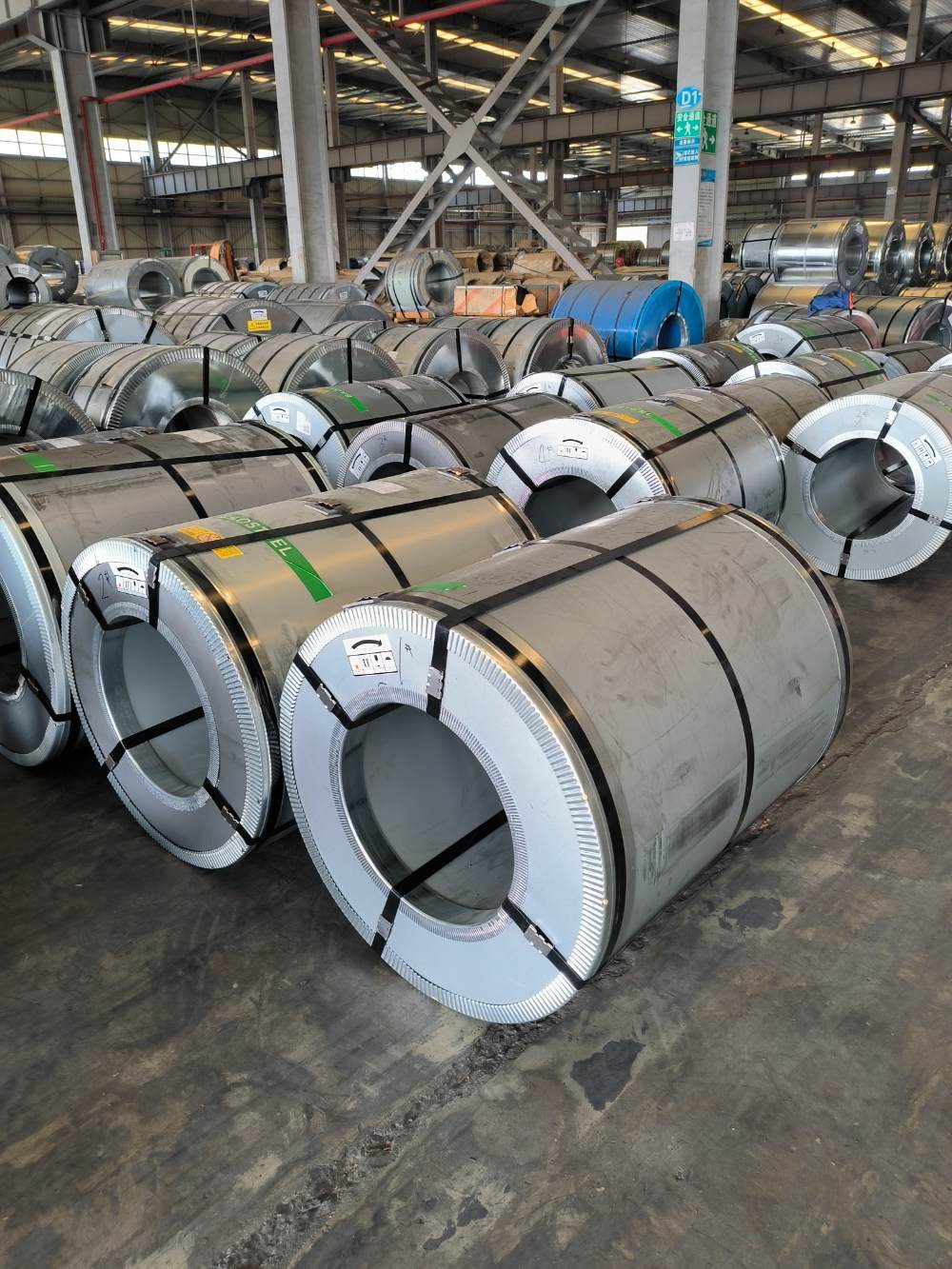
In today's interconnected world, navigating global markets requires a keen focus on delivering energy solutions that aren't just innovative but are also economically viable. Companies are increasingly pressured to balance environmental responsibility with financial feasibility, pushing them to explore diverse regions where energy needs vary dramatically. By tailoring strategies to local conditions—whether it's leveraging solar power in sun-drenched areas or optimizing wind resources in coastal regions—they can cut costs while meeting demand, making sustainability more accessible and less of a luxury.
What sets successful initiatives apart is their ability to adapt quickly to market shifts, like fluctuating fuel prices or regulatory changes, without compromising on efficiency. Through partnerships with local suppliers and investment in scalable technologies, businesses can reduce overhead and pass savings onto consumers. This approach not only fosters trust in emerging economies but also encourages widespread adoption of clean energy, turning cost-effectiveness into a competitive edge rather than just a budgetary concern.
Ultimately, driving these solutions forward means rethinking traditional models to embrace flexibility and foresight. By integrating data analytics and real-time monitoring, organizations can predict trends and optimize resource allocation, minimizing waste and maximizing impact. As global markets evolve, this dynamic mindset ensures that energy solutions remain both affordable and effective, paving the way for a more resilient and equitable energy future worldwide.
Innovations in Manufacturing to Reduce Core Losses
In recent years, the drive to enhance energy efficiency in electrical machines has led to significant strides in manufacturing techniques aimed at minimizing core losses. By leveraging advanced materials like amorphous and nanocrystalline alloys, manufacturers can drastically reduce hysteresis and eddy current losses that traditionally plague magnetic cores. Innovations such as precision laser cutting and additive manufacturing allow for tighter tolerances and smoother edges, which help mitigate stray flux and associated losses, resulting in quieter and more efficient transformers and motors that meet stringent environmental standards without compromising performance.
Another pivotal development lies in the optimization of core lamination processes. Instead of relying on conventional stacking methods, new approaches involve using thinner, high-grade silicon steel laminations with improved insulation coatings. This not only cuts down on eddy currents but also enhances thermal stability under varying loads. Coupled with automated assembly lines that ensure uniform pressure and alignment, these innovations reduce mechanical stress and air gaps, leading to a more consistent magnetic path and lower overall losses, thereby extending the lifespan of electrical components while boosting operational reliability.
Beyond materials and lamination, smart manufacturing technologies are revolutionizing how core losses are addressed. Implementing real-time monitoring systems during production enables immediate adjustments to parameters like temperature and annealing cycles, fine-tuning magnetic properties on the fly. Additionally, predictive analytics and machine learning algorithms analyze historical data to optimize designs, suggesting novel geometries that minimize flux leakage. These integrative strategies not only push the boundaries of traditional manufacturing but also foster a more adaptive and cost-effective approach, setting new benchmarks for efficiency in industries ranging from renewable energy to automotive electrification.
Tailoring Electrical Steel for High-Efficiency Transformer Designs
The quest for high-efficiency transformer designs hinges profoundly on the precise customization of electrical steel, a core material that directly impacts energy losses in magnetic circuits. By fine-tuning its grain structure and alloy composition, manufacturers can significantly reduce hysteresis and eddy current losses, which are major contributors to inefficiency. This tailored approach allows transformers to operate at higher frequencies and temperatures, making them more suitable for modern power grids and renewable energy systems where performance under variable loads is critical.
Beyond just material selection, tailoring involves cutting-edge techniques like laser scribing and optimized annealing processes to enhance magnetic properties. These methods help align the steel's magnetic domains, minimizing core loss and improving overall transformer reliability. As industries push for greener solutions, such customizations enable transformers to meet stringent efficiency standards, like those outlined in DOE regulations, without compromising on cost or durability.
In practice, this bespoke engineering means each transformer design can leverage specific steel grades, such as non-oriented or grain-oriented types, depending on application needs—from industrial machinery to residential power supplies. The result is not just incremental gains but a transformative leap in energy conservation, reducing operational costs and environmental impact over the long term.
Navigating Export Regulations and Competitive Landscapes
When diving into global markets, mastering export regulations is crucial—it's not just about compliance but about strategic advantage. Each region has its own rules, from documentation requirements to trade restrictions, and staying ahead means more than ticking boxes. It involves understanding how these regulations shift with political climates and economic trends, turning potential hurdles into opportunities for smoother operations and cost savings. Businesses that proactively adapt can avoid costly delays and build stronger relationships with international partners.
In the competitive landscape, differentiation is key. While regulations set the playing field, standing out requires a keen sense of market dynamics and consumer needs. Analyzing competitors' strategies—like their pricing models or supply chains—can reveal gaps to exploit. By blending regulatory insights with innovative approaches, such as customizing products for local tastes or leveraging digital platforms for outreach, companies can carve a niche even in saturated markets.
Ultimately, success hinges on integrating these two facets seamlessly. Imagine a scenario where a firm uses its deep knowledge of export rules to streamline logistics, freeing resources to invest in unique marketing campaigns that capture attention abroad. This holistic view transforms challenges into a cohesive growth strategy, ensuring resilience and relevance in an ever-changing global arena. Proactive adaptation and creative problem-solving become the cornerstones of sustainable expansion.
Future Trends in Sustainable Electrical Steel Applications
As industries worldwide accelerate their shift toward greener technologies, electrical steel is emerging as a key player in sustainable innovations, particularly in electric vehicles (EVs) and renewable energy systems. Manufacturers are now focusing on developing high-permeability grades with reduced core losses, which not only enhance efficiency but also lower energy consumption during operation—a critical factor in cutting carbon footprints. For instance, advancements in grain-oriented electrical steel are enabling transformers and motors to operate at higher frequencies with minimal waste heat, directly contributing to more eco-friendly power grids and transportation.
Beyond performance tweaks, the push for circular economy principles is reshaping how electrical steel is produced and recycled. Companies are experimenting with alloy compositions that incorporate recycled materials, reducing reliance on virgin resources and minimizing environmental impact from mining and processing. This trend is complemented by life-cycle assessments that prioritize durability and end-of-life recyclability, ensuring that components made from electrical steel can be repurposed rather than landfilled, thus supporting a more sustainable industrial ecosystem.
Looking ahead, integration with smart technologies and digital twins is poised to revolutionize applications, allowing for real-time monitoring and optimization of electrical steel-based systems. This synergy not only boosts operational efficiency but also extends product lifespans, aligning with broader sustainability goals. As we move into the next decade, expect to see more innovations in coatings and surface treatments that enhance corrosion resistance and thermal stability, further solidifying electrical steel’s role in building a resilient, low-carbon future.
FAQ
Grain Oriented Electrical Steel is primarily used in the manufacturing of transformers and electric motors to enhance energy efficiency by reducing core losses.
Unlike non-oriented electrical steel, grain oriented electrical steel has a specific grain alignment that minimizes energy losses in the direction of magnetization, making it ideal for applications where magnetic flux flows in a single direction.
Grain Oriented Electrical Steel is crucial for export markets because it helps manufacturers meet strict international energy efficiency standards, reduce operational costs, and comply with environmental regulations, giving products a competitive edge.
The key benefits include lower hysteresis and eddy current losses, improved magnetic permeability, and higher efficiency, which translates to significant energy savings and reduced carbon footprint over the transformer's lifespan.
Businesses can highlight the superior energy efficiency and durability of products made with this steel in marketing materials, attract environmentally conscious buyers, and gain certifications like ENERGY STAR, positioning themselves as leaders in sustainable technology.
It is most commonly applied in the power generation, distribution, and automotive industries, particularly in high-efficiency transformers, large motors, and renewable energy systems such as wind turbines.
Conclusion
Grain-oriented electrical steel (GOES) is revolutionizing energy efficiency in modern export markets by leveraging advancements in grain structure to enhance magnetic properties. Innovations in manufacturing processes have significantly reduced core losses, making this material increasingly vital for high-efficiency transformer designs. As global markets demand cost-effective energy solutions, GOES stands out by tailoring electrical steel to meet stringent performance standards, boosting energy savings and operational reliability in industrial applications worldwide.
Navigating export regulations and competitive landscapes requires strategic adaptation, but GOES excels by aligning with future trends in sustainable applications. This focus on sustainability not only addresses environmental concerns but also opens new market opportunities. By integrating technological progress with market needs, GOES positions itself as a key driver in the global shift toward greener energy systems, ensuring long-term growth and innovation in export-oriented industries.
Contact Us
Contact Person: Zoe Liang
Email: [email protected]
Tel/WhatsApp: 86 189 2128 6299
Website: https://www.baowuchina.com