

Gantry Crane Recommendations for Efficient Material Handling
2026-07-25
In the fast-paced world of industrial lifting, choosing the right equipment can make or break your workflow efficiency. Gantry cranes have become indispensable for handling heavy loads with precision and safety, but not all solutions are created equal. Whether you're outfitting a workshop or streamlining a large-scale operation, the key lies in matching the crane to your unique demands. At LugongMachinery, we understand that smart material handling starts with reliable, innovative designs. Join us as we explore expert recommendations that transform your lifting challenges into seamless productivity.
Why Gantry Cranes Are the Backbone of Modern Material Handling
Walk onto any busy construction site, shipyard, or manufacturing floor, and you’ll see gantry cranes quietly doing the heaviest lifting—literally. These structures aren’t just an option; they’re the muscle that keeps projects on schedule. Without them, moving oversized steel beams, massive containers, or factory machinery would be a logistical nightmare, often requiring disassembly or custom rigging. Gantry cranes sidestep that complexity entirely, gliding over obstacles and placing loads with a precision that mobile alternatives can’t match.
What makes them indispensable is their blend of stability and adaptability. Unlike fixed overhead cranes, gantries can be relocated or adjusted to fit evolving workflows, and their rubber-tired variants move freely across outdoor yards. This flexibility means a single crane might unload a barge in the morning and position a turbine generator by afternoon. The result is a dramatic compression of downtime and labor—one operator can manage a lift that would otherwise demand a team of riggers and hours of setup. In industries where time is measured in dollars per minute, that efficiency isn’t just nice to have; it’s foundational.
Beyond raw capability, gantry cranes underpin a safety philosophy that other equipment can’t replicate. Their design inherently lowers the center of gravity, reducing tip-over risks, and modern systems include anti-sway technology that practically eliminates load swing. This lets crews work nearby with far less hazard, fostering a smoother, more confident rhythm on site. When you consider how many critical supply chains—from wind turbine components to modular hospital builds—now depend on just-in-time delivery of colossal parts, it’s clear that gantry cranes aren’t merely tools. They’re the invisible framework that makes ambitious projects possible.
Choosing the Right Gantry Crane for Your Workspace and Load Requirements
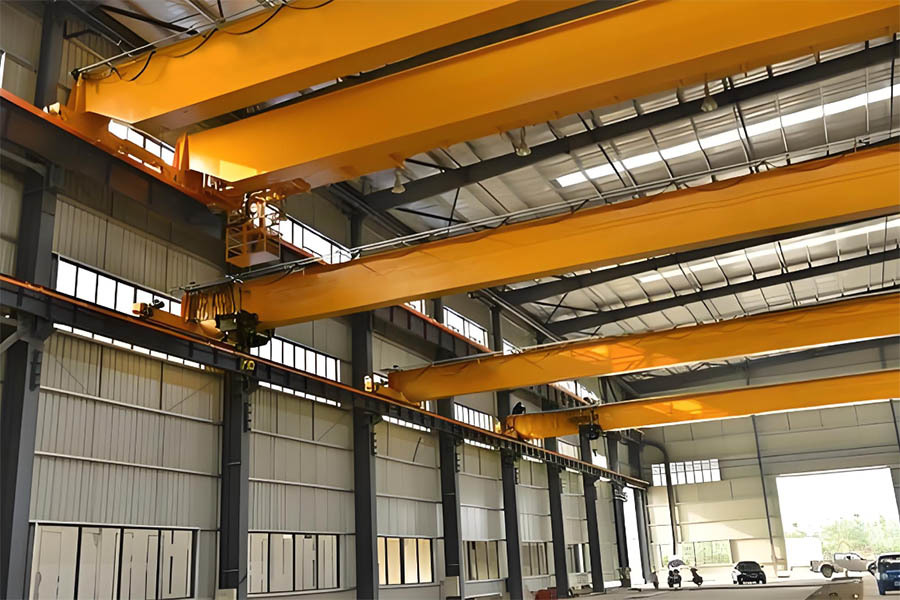
It’s tempting to focus solely on lifting capacity, but your workspace layout often dictates which crane design will actually work. Measure not just floor area but overhead clearance, column placement, and any sloped surfaces. A unit that fits on paper might still struggle with a low ceiling or narrow aisles once the hoist and trolley are added. Portable gantries with casters solve some of these issues, but only if the floor is smooth and level. I’ve seen shops overlook door height and then have to deflate tires or dismantle sections just to move the crane between bays—an avoidable headache.
Load requirements go beyond maximum weight. Consider how you’ll rig and handle the item: long, awkward shapes may need extra headroom or a wider span to prevent sway. If lifts are frequent, a motorised trolley beats a manual push setup hands down for both speed and operator fatigue. Also check the duty cycle rating—some cranes are built for occasional use while others handle continuous shifts. Matching this to your usage pattern stops you from overpaying for ruggedness you don’t need or, worse, wearing out a light-duty model in months.
Don’t underestimate the value of a trial run with the actual loads and pathways you’ll use. Rental options let you test different configurations before committing, and many suppliers offer custom span or height adjustments for a modest cost. The best choice often blends standard components with small tweaks—like extended legs or a different hoist mount—rather than an expensive fully bespoke build. In the end, a crane that fits seamlessly into your workflow will pay for itself quickly, while a misfit just gathers dust and creates safety risks.
Top Features That Enhance Lifting Efficiency and Operator Control
Modern lifting equipment integrates advanced load-sensing hydraulics that automatically adjust power delivery based on real-time weight assessments. This eliminates the need for manual throttle adjustments, allowing operators to maintain consistent speed and precision even under varying load conditions. Combined with variable displacement pumps, the system reduces energy waste while boosting cycle times, directly impacting on-site productivity without compromising control finesse.
Operator-centric cabin design has become a cornerstone of efficient machinery. Joystick consoles with integrated multifunction displays give immediate feedback on boom angle, outreach, and load moment indicators, minimizing the need to glance away from critical operations. Adaptive damping controls filter out unintended movements caused by rough terrain or inexperience, while customizable shortcuts enable seasoned professionals to replicate complex maneuvers with a single touch, significantly cutting learning curves for new crew members.
Beyond raw power, smarter stability algorithms now monitor ground pressure and outrigger positioning in real time, allowing for safer lifts on uneven surfaces without time-consuming manual checks. Features like automatic sway suppression and smooth hydraulic modulation ensure that delicate or suspended loads are handled with the same ease as bulk materials, granting operators the confidence to push the limits of their machine’s capabilities in tight access jobsites.
How Portable Gantry Cranes Simplify On-Site and Temporary Jobs
When a job site constantly shifts or only exists for a few days, dragging along heavy fixed machinery makes no sense. Portable gantry cranes cut through that headache by arriving in compact pieces that a small crew can assemble right where the lift is needed. Their bolt-together frames and adjustable heights mean you can walk one through a standard doorway, set it up over a workbench or curing area, and start hoisting without pouring foundations or hiring a rigging team.
The real beauty surfaces during those unpredictable workflows—repairing a pump that suddenly goes down, erecting steel in a partially finished warehouse, or positioning awkward HVAC units on a rooftop. Instead of waiting days for a mobile crane to free up, a portable gantry lets you dodge scheduling logjams entirely. The legs roll on locking casters, so repositioning between tasks takes a minute, not an hour, and the overhead beam provides a smooth runway for trolley travel without the floor clutter of a forklift.
Temporary doesn’t have to mean flimsy. Modern aluminium and steel models handle loads that would have required a permanent structure a decade ago, yet they break down flat enough to store against a wall or load into a pickup truck. That combo of quick deployment, honest capacity, and minimal footprint turns a portable gantry into the quiet MVP for contractors, maintenance crews, and event riggers who need lifting muscle that arrives and disappears just as fast as the job itself.
Safety Practices That Prevent Accidents and Prolong Crane Lifespan
Regular, detailed inspections form the backbone of crane safety and longevity. Before each shift, operators should perform a visual walk-around to check for loose bolts, hydraulic leaks, worn wire ropes, or cracked welds. Monthly and annual deeper inspections, guided by the manufacturer's checklist, can catch structural fatigue or component degradation early. Documenting every finding creates a maintenance trail that highlights patterns, allowing for predictive replacements before minor issues escalate into costly breakdowns. A simple habit like never ignoring an unusual sound or vibration can add years to the crane's working life and avert sudden failures.
Operator training is just as critical as the equipment itself. Beyond basic certification, crews need hands-on practice with the specific crane model they'll control, understanding its load charts, electronic safety devices, and emergency protocols. Overloading, even briefly, accelerates wear on hoists, brakes, and structural members, so a culture that strictly respects weight limits prevents both immediate tipping risks and long-term metal fatigue. Effective communication between the operator and ground personnel—using standardized hand signals or radios—eliminates confusion during blind lifts, keeping everyone clear of pinch points and suspended loads.
The working environment is the silent variable that prematurely ages many cranes. Operating on uneven or unconsolidated ground can induce twisting stresses on the boom and outriggers, so setting up on solid, level surfaces and using adequate matting is non-negotiable. Exposure to corrosive elements like saltwater, chemicals, or industrial dust demands more frequent cleaning and protective coatings. Wind conditions must be monitored in real time; a gust that exceeds the crane's design limits can turn a routine lift into a catastrophe. By respecting weather thresholds, lubricating pivot points regularly, and storing the crane under cover when idle, companies protect both their people and their capital investment.
Real-World Applications Where Gantry Cranes Outperform Other Lifting Gear
In shipyards, gantry cranes are the backbone of heavy assembly and launching operations. Their ability to straddle large vessels under construction, moving massive hull sections or entire ship blocks, is unmatched by mobile or jib cranes. The precise, synchronized hoists and trolleys allow millimeter‑level positioning of multi‑ton components, dramatically reducing fitting times and rework. Without gantry cranes, the pace of modern shipbuilding would simply grind to a halt.
Steel mills and precast concrete plants rely on gantry cranes for their brutal duty cycles and extreme environments. Here, the cranes handle glowing‑hot steel slabs, ladles of molten metal, or enormous concrete beams with a consistency that other lifting gear can’t maintain. The open‑legged design lets them work over curing beds, conveyor lines, and cooling pits, integrating seamlessly into the production flow rather than interrupting it. Their structural rigidity also keeps deflection minimal under shock loads, which is critical when seconds count during a pour or a roll change.
Another area where gantry cranes dominate is large‑scale infrastructure projects, particularly bridge and tunnel construction. When erecting prefabricated bridge segments over water or deep valleys, a gantry crane can launch itself from pier to pier, carrying and placing 100‑ton segments without the need for massive temporary supports or floating barges. This slashes both environmental impact and schedule risk, especially in remote locations where bringing in alternative heavy‑lift equipment is cost‑prohibitive. In tunnel boring operations, gantry cranes are used to handle the heavy cutter‑heads and concrete lining segments, working continuously in confined, fume‑sensitive conditions where diesel‑powered cranes would be impractical.
FAQ
Start with the weight and dimensions of the loads you'll be moving. Think about the frequency of use—daily heavy cycles demand a robust design. Also check your workspace: ceiling height, floor space, and any obstacles. Don't overlook power supply options and whether you need mobility or a fixed setup.
Calculate the maximum weight you expect to lift, then add a safety margin of at least 20% to account for unexpected heavier items or dynamic forces during operation. Consider future needs too—a slightly higher capacity now can save you from outgrowing the equipment quickly.
Gantry cranes give you full coverage over a rectangular area without needing a permanent building structure for support. Unlike forklifts, they leave floor space clear and can lift higher. Compared to jib cranes, they handle heavier loads across a wider span and are often easier to relocate.
Absolutely. Many manufacturers offer customization like extended spans, special trolleys for off-center loads, corrosion-resistant finishes for harsh environments, and motorized drives for smoother movement if manual push forces are a concern. Just be clear about your workflow to get the right modifications.
Routine checks on wire ropes, hooks, and end stops prevent minor issues from becoming hazards. Lubricate moving parts per the manual, and do a thorough inspection of structural bolts and welds annually. Immediately replace any worn components—it's cheaper than unexpected downtime.
Yes, lightweight aluminum or adjustable-height steel models fit nicely in small workshops or garages. They often come with casters for easy repositioning and can be disassembled when not needed. Just make sure the floor surface is even and capable of bearing the combined load weight.
A span that's too wide without proper reinforcement can cause beam deflection, making the trolley harder to push manually. Too narrow limits your coverage. Match the span to your work area and the type of loads—a well-calibrated span reduces muscle strain and speeds up loading cycles.
Look for an overload protection system that stops lifting when capacity is exceeded. Positive-locking trolley brakes and sturdy end stops are essential. If motorized, emergency stop buttons within easy reach and limit switches at both ends of travel prevent operator errors.
Conclusion
Modern material handling leans heavily on gantry cranes for good reason—their structural simplicity and versatility allow them to lift and move heavy loads across workshops, yards, and construction sites without the need for permanent runway beams. Selecting the right model means evaluating workspace dimensions, lift capacity, and frequency of use, then balancing these against power options like electric or manual hoists. Operators gain better control through variable speed drives, ergonomic pendant stations, and intelligent load sensing that prevents overloads and sway. Adjustable heights and clear span designs further boost efficiency, especially when handling bulky or irregularly shaped items that would challenge forklifts or jib cranes.
Where fixed infrastructure is missing, portable gantry cranes shine by transforming any flat surface into a lifting station within minutes. Wheel-mounted aluminum or steel frames can be folded down, moved through standard doorways, and reassembled without tools, making them ideal for maintenance crews, HVAC installations, and exhibition setups. Still, productivity means nothing without safety: daily pre-shift inspections, strict adherence to load charts, and proper rigging habits prevent costly failures and extend service life. From manufacturing assembly lines to shipyards and rail depots, gantry cranes consistently outperform other lifting gear when headroom is limited or loads need lateral travel. The practical recommendation is simple—match the crane’s mobility, capacity, and safety features to your actual job demands, not just catalog specifications.
Contact Us
Contact Person: Zhang Zhenlai
Email: [email protected]
Tel/WhatsApp: 8618563210000
Website: https://en.lugongmachinery.com/