

Export Used Excavators: Your Comprehensive Guide to Global Trade
2026-05-07
The global market for used excavators is booming—but navigating export regulations, logistics, and quality checks can feel like digging blind. Whether you’re expanding your fleet or entering new territories, one misstep costs more than downtime. That’s where JILIANG CHI steps in. With years of hands-on exporting experience, we’ve seen what trips up even seasoned buyers. This guide unpacks the real-world insights you won’t find in standard manuals, from hidden compliance snags to sealing deals that stick. Let’s cut through the noise and get your machines moving.
Why Pre-Owned Excavators Are Reshaping Global Construction Markets
Across job sites from Southeast Asia to Eastern Europe, a quiet revolution is taking shape. Contractors who once wouldn’t consider anything but brand-new equipment are now hunting for well-maintained used excavators. The shift isn’t born from a sudden love of older machinery, but from a pragmatic recognition that ownership costs have spiraled out of control. New excavator prices have climbed steadily over the past five years, while project margins remain razor-thin. For many firms, a three-year-old machine with a certified service history offers the same performance at nearly half the cost. The math is simple enough to upend long-held procurement habits.
Beyond the upfront savings, there’s a less obvious force reshaping demand: the rapid homogenization of construction technology. A 2020 excavator isn’t radically different from a 2025 model in its core functions—most advances are incremental software tweaks or emissions compliance that add cost but not always day-to-day value. Smart fleet managers have noticed this plateau and are redirecting capital toward attachments and operator training instead of monthly finance payments. This recalibration is especially visible in developing markets, where infrastructure demand is exploding but credit remains tight. Pre-owned excavators bridge the gap, letting contractors scale quickly without drowning in debt.
Then there’s the sustainability angle, which has moved from boardroom talking point to genuine procurement driver. Emission regulations in Europe and North America are pushing older machines out of local markets, but those same machines are often still compliant—and highly desirable—in regions with different standards. This has spawned a robust global resale network that didn’t exist a decade ago. An excavator retired from a German highway project might finish its working life building a dam in Kenya, its carbon footprint spread over a far longer service cycle. For buyers, it’s not just about saving money; it’s a chance to align with circular economy principles without compromising project timelines.
Key Factors to Evaluate Before Shipping Used Excavators Overseas
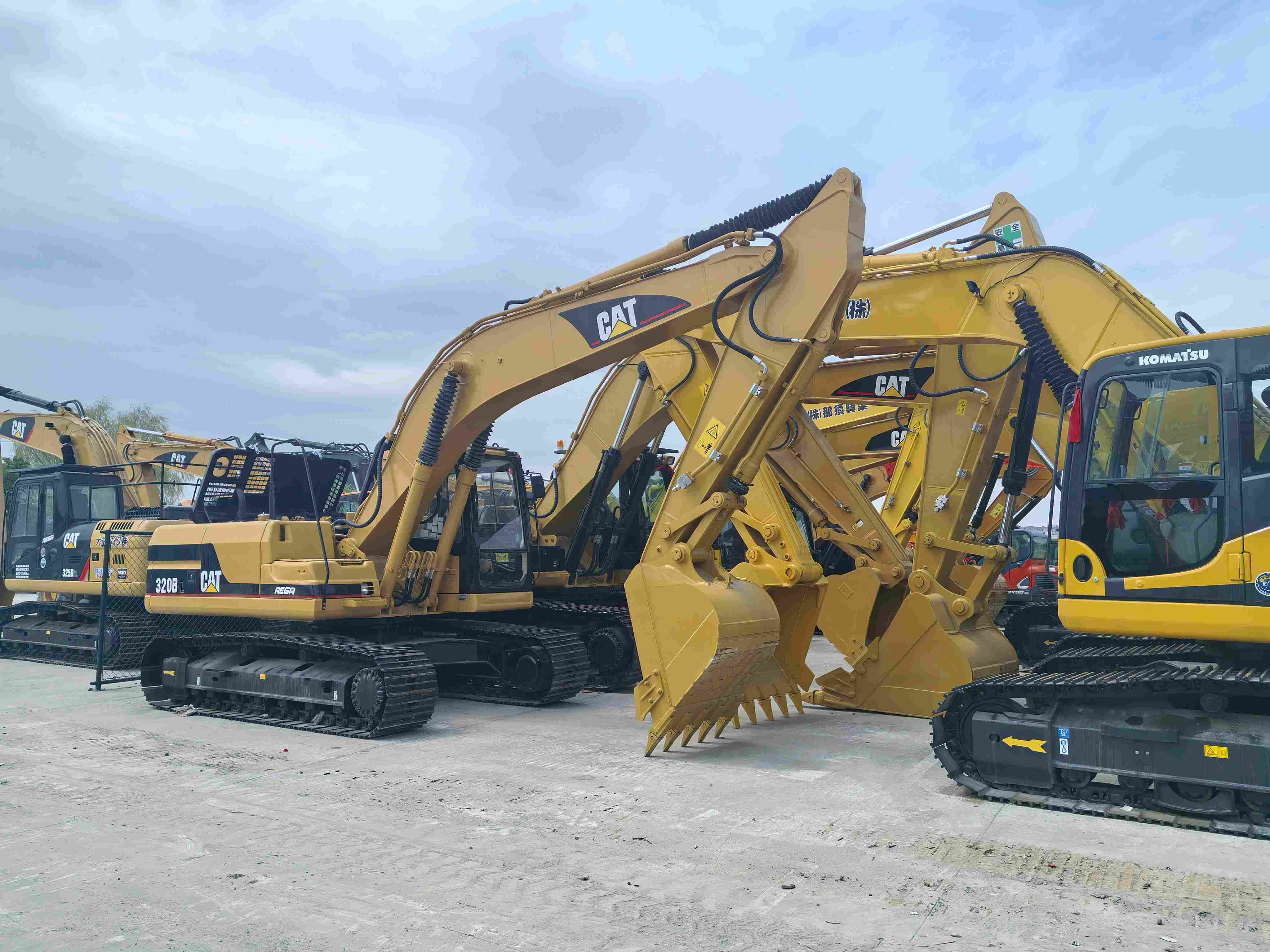
Before sending any used excavator abroad, it pays to double-check local import rules and duties. Some countries have age limits or require thorough cleaning to prevent soil contamination. Getting this wrong can lead to costly delays or even having your machine turned away at the port.
It's also wise to honestly assess the excavator’s condition and market demand. A model that sells well in your region might have little resale value overseas if parts are hard to find there. A full inspection beforehand helps avoid surprises and ensures the shipping costs are worth it.
Don’t overlook logistics and insurance. Ocean freight for heavy equipment isn’t straightforward—you’ll need to choose the right container or roll-on method, and secure adequate coverage. A small oversight here can erase your profit, so mapping out the entire journey in advance is just as crucial as picking the right machine.
Understanding Regional Demand: Where Your Equipment Finds the Best Buyers
When selling heavy machinery or specialized equipment, the key to maximizing returns often lies in pinpointing where your assets are most sought after. A piece of equipment that sits idle in one market can command a premium just a few hundred miles away, where infrastructure projects or seasonal demand surges are underway.
Local economic indicators, such as construction spending, agricultural output, or industrial growth rates, can signal hot spots for buyers. Tapping into regional networks, trade associations, and industry-specific events provides firsthand insight into who is actively purchasing and why.
Adapting your sales approach to regional preferences—whether it’s adjusting pricing strategies, offering localization support, or understanding logistical constraints—can significantly increase your chances of connecting with serious buyers and closing deals faster.
Navigating Export Regulations and Customs Without Headaches
Export regulations can feel like a maze of paperwork and shifting rules, but they become far less intimidating once you break them down into daily routines. Instead of scrambling before each shipment, set aside a regular check on tariff codes and restricted party lists. Small habits like bookmarking your country's official trade portal or subscribing to alerts from customs authorities can turn a chaotic chore into a predictable part of your workflow. The goal isn't to memorize every detail—it's to know exactly where to look when a question pops up.
One of the quietest headaches is incomplete documentation, which often stems from rushing or assuming last month's forms still apply. Spend a few extra minutes verifying the commercial invoice, packing list, and any certificates of origin against the latest buyer requirements. If you work with a freight forwarder, treat them as a partner rather than just a vendor—share your pain points early, and they can often suggest simple fixes you hadn't considered. A little upfront clarity saves you from the phone calls and delays that eat up far more time later.
Building Trust with International Buyers: Inspection and Transparency Tactics
Trust doesn’t come pre-installed in cross-border deals. It’s built through repeated, verifiable actions. For international buyers, the physical distance and cultural gaps make skepticism natural. That’s why smart suppliers don’t wait for trust to happen—they bake it into their process. From the first sample request to the final shipment, every step can either reinforce confidence or chip it away. The key is making transparency a habit, not a sales pitch.
One of the most underrated trust-builders is independent inspection. Instead of just shipping goods and hoping for the best, offer a pre-shipment inspection from a credible third-party agency. Share the report without being asked, and highlight both the positives and the minor flaws. This level of candor is rare and instantly sets you apart. Combine that with live video walk-throughs of your facility, real-time production updates, and clear, unedited photographs of the actual batch—not just stock images—and you’re creating a paper trail that speaks volumes about your integrity.
Pricing transparency also plays a huge role. Break down your quote to show material costs, labor, and logistics, so the buyer understands exactly what they’re paying for. If delays happen—and they will—communicate them early, with a revised timeline and a concrete plan. Avoid the temptation to sugarcoat. When you consistently align your words with visible proof, you stop being a supplier and start being a partner. That shift changes everything in international trade.
Maximizing Profit Margins Through Strategic Refurbishment and Logistics
Refurbishment alone won't lift margins if products sit in warehouses or get lost in transit. The real gains come from tightly integrating refurbishment workflows with logistics planning. When returned items move quickly through assessment and repair, and then back to market without delays, the cost of capital drops significantly. Each day a refurbished unit sits idle erodes the potential profit from its second sale. Streamlining this reverse flow requires clear protocols for sorting, diagnosing, and routing items—decisions that must happen upstream, not at the dock.
Logistics choices directly shape refurbishment economics. For instance, regional processing hubs can slash transportation costs versus a single central facility, especially for bulky goods. But you need enough volume to justify the fixed investment. Transportation mode also matters: ground shipping for non-urgent returns preserves margin, while air freight for high-value, time-sensitive items can be sensible if the resale window is tight. The key is balancing speed against expense, always with an eye on the eventual selling price a refurbished unit can command.
Beyond cost cutting, strategic refurbishment and logistics open opportunities to increase a product's perceived value. Quick, reliable turnaround means items can be sold as "like new" sooner, commanding higher prices. Meanwhile, deliberate inventory positioning—placing refurbished stock closer to demand clusters—reduces lead times and shipping costs for customers, which can support premium pricing. Companies that treat reverse logistics as a profit center rather than a cost center often discover that the margins on refurbished goods can rival or even exceed those on new products, thanks to lower acquisition costs and smart operational design.
FAQ
You'll typically need the original purchase invoice, a clean title or proof of ownership, and a detailed bill of lading. Don't forget an export declaration form and, depending on the destination, a certificate of origin. Some countries also demand an inspection certificate confirming the machine's condition and age.
Start by researching large-scale infrastructure projects in developing regions. Markets in Southeast Asia, Africa, and parts of South America often seek affordable used machinery. Check tender announcements, construction industry forums, and even local equipment dealer websites in those areas to spot trends.
Absolutely. Beyond the machine price, factor in port handling charges, customs brokerage fees, and potential storage costs if there's a delay. Ocean freight can fluctuate wildly, and some countries impose steep import duties based on the excavator's declared value or weight. Always budget an extra 15-20% for surprises.
Never rely solely on seller photos. Hire an independent inspector who can physically check the engine hours, hydraulic systems, undercarriage wear, and any weld repairs. Request a cold-start video to see how easily it fires up. If possible, get fluid analysis reports to spot internal engine or transmission problems early.
A letter of credit from a reputable bank is your safest bet, ensuring payment upon proof of shipment. For smaller deals, an escrow service can work, but watch for fees. Avoid wire transfers directly unless you've built serious trust. Some exporters also use trade credit insurance to mitigate non-payment risks.
Misjudging shipping logistics tops the list—like forgetting to drain fluids or secure loose parts, which can lead to fines. Another is skimping on import duty research, causing the machine to sit in customs racking up demurrage charges. Also, overlooking emission regulations: an older excavator might be banned in certain countries even if it looks great.
Often yes. Many regions have strict emission tier requirements or safety specs like backup alarms and specific lighting. You might need to retrofit an EPA-compliant engine or add rollover protection. Check the specific homologation rules well before you ship, as non-compliant machines can be rejected at the port.
Expect at least four to eight weeks, assuming no major hiccups. That includes pre-shipment inspection, booking a container or flat rack, inland transport to the departure port, ocean transit (which alone can take 2-6 weeks depending on distance), and then import clearance. Add extra time if the machine needs modifications or the receiving country has slow bureaucracy.
Conclusion
The global market for used excavators is booming as contractors and developers increasingly turn to pre-owned machinery to stretch budgets without sacrificing capability. A smart export strategy balances equipment evaluation, regional demand patterns, and regulatory compliance—starting with a hard look at machine hours, maintenance records, and structural integrity before any container gets sealed. From Southeast Asia's infrastructure surge to Africa's mining sector and Eastern Europe's rebuilding efforts, each region prizes different tonnage classes and attachment setups, so matching your machine’s specs to the right geography drives faster sales and stronger pricing.
Once the destination is clear, navigating export paperwork and customs procedures becomes less of a headache when you lean on local brokers and pre-clearance inspections. Transparency with buyers through detailed inspection reports, high-resolution imagery, and even live video walkarounds builds the trust needed to close deals remotely. Finally, strategic refurbishment—focusing on high-impact cosmetic fixes and essential mechanical updates—along with optimized freight consolidation can boost margins significantly, turning every container into a more profitable transaction.
Contact Us
Contact Person: Sally Xiao
Email: [email protected]
Tel/WhatsApp: 086-18221477398
Website: http://www.shjiliangchi.com/