

Dust Suppressant for Dust Control: Key Techniques and Practical Insights
2026-07-21
Dust may seem harmless, but uncontrolled particles can erode equipment, threaten air quality, and disrupt entire operations. Effective dust control isn't just about spraying water—it’s about intelligent chemistry and strategic application. At the forefront of this science, MST has been redefining how industries tame airborne threats. In this post, we unpack the key techniques behind advanced dust suppressants and share practical insights that turn theory into tangible results. Whether you're managing a mine site or an unpaved road, the path to cleaner air starts here.
Unveiling the Mechanics: How Dust Suppressants Tackle Airborne Particles
Dust suppressants don’t just blanket a surface—they wage a chemical and physical campaign against the tiniest airborne intruders. At the heart of their action lies a shift in particle dynamics: most products create a tacky film that traps fine dust on contact, preventing it from ever lifting off. Others go deeper, absorbing moisture from the air to keep the treated area consistently damp for hours, even in dry heat. A less obvious tactic involves altering the electrostatic charge of particles, neutralizing the very forces that make them repel each other or cling to passing wind currents. By transforming a loose, dusty crust into a cohesive, weighted surface, these agents fundamentally disrupt the lifecycle of fugitive dust from emission to suspension.
The real sophistication emerges in how suppressants target specific particle sizes. Inhalable PM10 and dangerous PM2.5 particles are too fine to be captured by ordinary water droplets, which simply evaporate or slide off. Modern formulations use hygroscopic salts that form dense, sticky bridges between grains, agglomerating fine specks into heavier clusters that gravity can then pull down. Some polymer-based suppressants take this a step further, curing into a flexible crust that not only locks in dust but self-heals when cracked, ensuring that even under vehicle traffic or footfall, the underlying fines stay anchored. This size-selective binding turns a passive barrier into an active, adaptive defense.
What often goes unnoticed is how suppressants interact with the microenvironment. A dusty gravel road, for instance, isn’t just a source of dirt—it’s a dynamic system where capillary action, wind shear, and humidity interplay. Suppressants manipulate surface tension so that moisture penetrates deeper into the soil matrix, binding particles far below the surface. In mining operations, strategic blends include surfactants that reduce water use by up to 50 % while still achieving a crust that withstands wind erosion. The result is a quiet, almost invisible restructuring: the dust isn’t merely suppressed; the entire surface is recoded from a loose aggregate of potential airborne fragments into a stable, unified skin that resists the very forces that try to lift it.
From Chemistry to Field: Selecting the Right Suppressant for Your Site
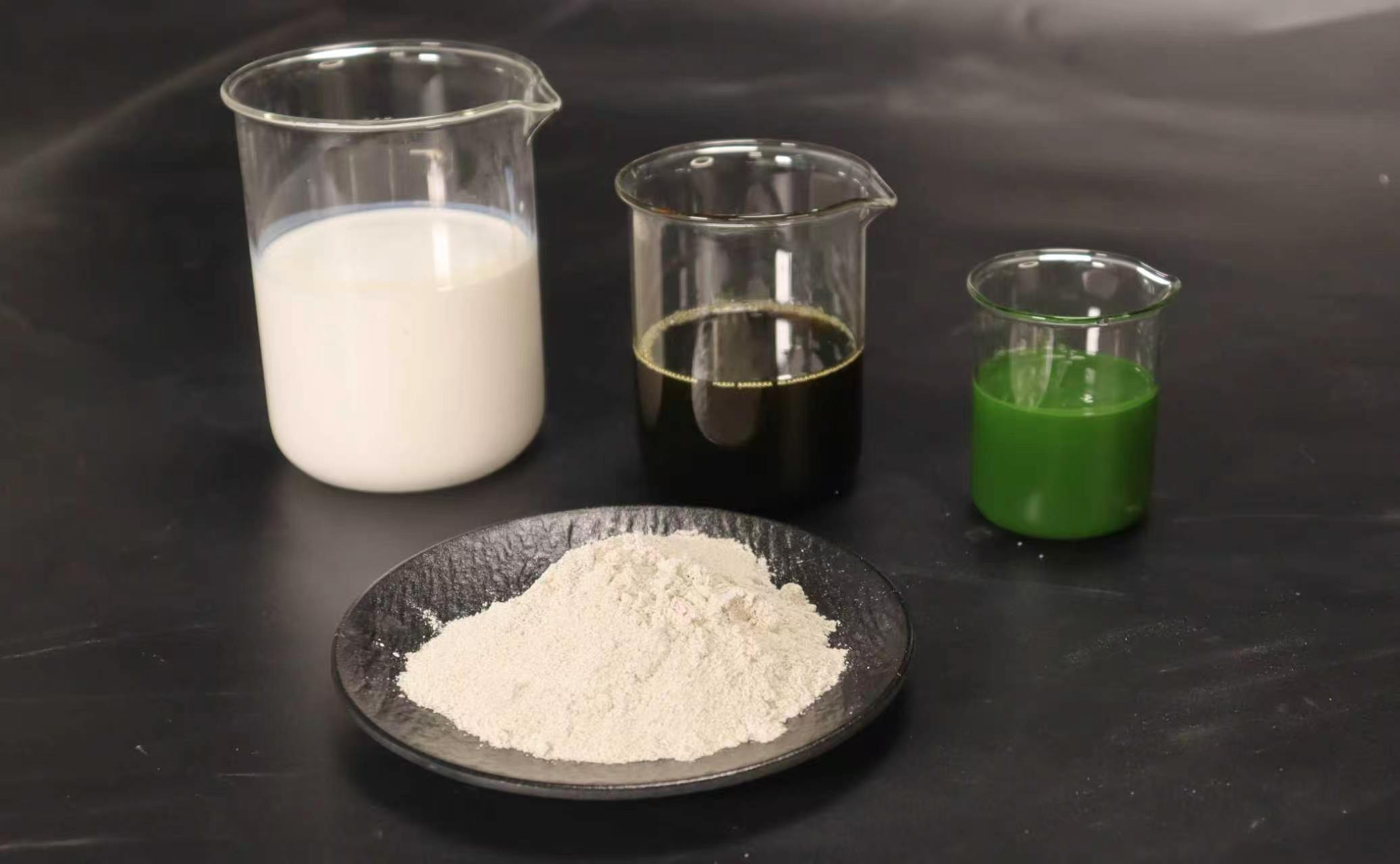
The journey from chemical formulation to effective wildfire management often starts not in the lab, but on the ground where site-specific variables quietly dictate success. What works flawlessly on a flat, sandy test plot may struggle on steep, brush-choked slopes with erratic winds. The suppressant’s viscosity, for instance, must be tailored to ensure it clings to dry fuel rather than draining away uselessly, a nuance that emerges only when you observe how a product interacts with local vegetation and terrain. Temperature and humidity further complicate the picture, as some foams dissipate rapidly under intense heat, while certain gels can lose adhesion if the air is too moist. Selecting the right suppressant thus demands a careful marriage of chemical properties with on-site conditions, where real-world unpredictability meets engineered precision.
Beyond terrain and weather, the ecological footprint of a suppressant can make or break its suitability. In sensitive watersheds or near riparian zones, phosphate-heavy retardants might trigger algal blooms, pushing operations toward phosphate-free alternatives that still deliver robust protection. Long-term soil health also enters the calculation: chlorine-based suppressants, though effective, can linger and affect microbial communities, whereas biodegradable options might break down too fast to hold a line in prolonged engagements. The ideal product balances acute firefighting performance with a low post-incident impact, allowing the land to recover without additional human intervention. Field testing small trial plots—though rarely convenient—remains one of the most reliable ways to gauge how a suppressant behaves under authentic stress, revealing subtle interactions that no spec sheet can capture.
Finally, the human element often gets overlooked when picking a fire suppressant. Crew safety and equipment compatibility shape the practical range of choices: a gel that clogs nozzles or demands complex mixing protocols may slow down a team in a fast-moving scenario. Ease of application and cleanup times are not just logistical details—they directly affect how quickly a containment line can be established or repositioned. Operators who have tried multiple products usually develop an instinct for what “feels right” on their particular rigs, and their feedback can be more valuable than controlled burn tests. Bringing together chemistry and field reality means not only analyzing data but also listening to the experience of those who work the nozzle under smoke-filled skies, where the difference between a good suppressant and the right one can be measured in saved acres.
Application Mastery: Techniques That Maximize Dust Control Efficiency
Getting the most out of dust suppression measures starts with timing and placement. Spray bars positioned too high allow airborne particles to escape, while nozzles aimed incorrectly waste water and create slurry. A well-designed setup accounts for material drop height, conveyor speed, and wind direction—adjusting each to keep dust from becoming airborne in the first place. Operators who fine-tune these variables see dramatically less fugitive dust without soaking the product.
Chemical additives often get overlooked because of outdated dosing methods. Modern metering systems blend surfactants or binders in precise ratios that match real-time material moisture levels, not just a standard percentage. This approach prevents over-wetting, cuts consumption, and delivers consistent particle agglomeration. Sites that switch from fixed-rate injection to responsive dosing frequently report double-digit reductions in dust emissions while using less water overall.
Maintenance habits play a bigger role than many assume. Worn nozzle tips, clogged filters, or leaking seals quietly undermine even the best-engineered systems. A weekly walkthrough that includes pressure checks, pattern inspections, and simple cleanings can restore lost efficiency. Pair that with seasonal recalibrations—accounting for humidity shifts or material changes—and dust control stops being a reactive chore, transforming into a predictable, low-effort operation.
Real-World Wins: Case Studies in Dust Suppression Success
At a coal mine in Australia's Bowen Basin, persistent dust emissions from haul roads and stockpiles threatened both worker safety and regulatory compliance. Traditional water spraying provided only temporary relief, evaporating within minutes under the intense sun. The site turned to a tailored polymer-based suppressant, applied through a fixed spray system along high-traffic routes. Within just two weeks, airborne particulate levels dropped by over 60%, far exceeding the initial target of 40%. More importantly, the reduction remained consistent throughout the dry season, halving the number of water trucks needed and saving thousands of liters of water daily. Operators noted visibly clearer air near loading zones, and the site received zero dust-related complaints from neighboring communities for the first time in three years.
In South Africa's platinum belt, an open-pit mine faced an escalating challenge with its tailings storage facility. Wind erosion was generating fine dust plumes that traveled up to five kilometers, affecting nearby villages and farmland. The operation had experimented with various crust-forming agents, but many cracked within days or failed to penetrate the surface effectively. A shift came when they tested a surfactant-infused binder, applied with a hydroseeder to ensure even coverage. The solution formed a durable, flexible crust that withstood wind gusts exceeding 50 km/h and even light rainfall without breaking. Independent monitoring confirmed a sustained 75% reduction in dust lift-off over a six-month period. The local farming cooperative publicly acknowledged the improvement, easing community tensions and removing a major hurdle for the mine's license renewal.
Urban demolition projects often face intense pressure to control dust, as they occur in close proximity to homes and businesses. A contractor in London grappling with the demolition of a 12-story concrete structure found that perimeter misting alone wasn't enough; fine particles still migrated beyond the site boundary. Adopting a multi-stage approach, the team first used a foaming agent to pre-wet debris during structural collapse, then deployed high-pressure cannons to create a fine mist curtain, and finally treated exposed piles with a residual suppressant. The result was a near-invisible dust operation: air quality monitors at the site boundary recorded particulate levels consistently within healthy limits, and the project received no abatement notices from the local council. This success has since been replicated across several other city-center projects, setting a new benchmark for urban dust control.
Sustainability in Focus: Eco-Friendly Solutions for Modern Dust Management
Traditional dust suppression methods often lean heavily on water usage or chemical agents that can harm surrounding ecosystems. A shift toward greener alternatives is reshaping how industries tackle airborne particles. For instance, advanced misting systems now use significantly less water while achieving the same level of particle knockdown. These systems atomize water into micro-droplets that cling to dust without saturating the ground, reducing runoff and conserving resources in water-scarce regions.
Beyond water efficiency, bio-based suppressants are gaining traction. Derived from plant extracts or food-grade polymers, these solutions bind dust particles together naturally and degrade without leaving toxic residues. They are particularly useful in agricultural and construction settings where soil health is a priority. Unlike synthetic alternatives, they don't introduce persistent chemicals into the environment, making them a safer choice for workers and nearby communities.
Real-time monitoring further boosts sustainability by eliminating unnecessary applications. Smart sensors track dust levels and activate controls only when thresholds are breached, slashing energy and material waste. Coupled with renewable-powered equipment, these systems form a closed-loop approach that balances operational needs with ecological responsibility. The result is a modern dust management strategy that's as gentle on the planet as it is tough on pollution.
Troubleshooting Guide: Overcoming Common Dust Control Challenges
Many facilities invest heavily in dust suppression equipment only to find that their problems persist. Often the issue isn't the hardware, but how it's integrated into daily workflows. For example, spraying too much water can create mud and slip hazards, while too little fails to settle fine particulate. Taking a step back to observe material flow, traffic patterns, and local weather effects often reveals simple adjustments—like repositioning nozzles or timing sprays with active operations—that make a dramatic difference.
Another overlooked factor is chemical additive selection. Not all dust is the same: road dust on haul routes demands binding agents with high residual strength, while airborne silica in crushing areas might call for foam or misting systems that enhance particle capture. Matching the chemistry to the specific dust source and ensuring the dosage adapts to seasonal humidity changes can turn an underperforming system into a reliable one without major capital upgrades.
Finally, maintenance habits are frequently the hidden culprit. Clogged nozzles, worn pump seals, and uncalibrated sensors degrade performance so gradually that operators adapt without realizing how much control they've lost. A daily ten-minute walkthrough with a simple check sheet—verifying pressures, spray patterns, and clearing debris—keeps systems at their designed effectiveness and extends equipment life significantly.
FAQ
On construction sites, success often comes down to pairing the right suppressant with the specific dust source. Liquid polymer emulsions form a durable crust over exposed soil, making them great for long-term stockpiles. For unpaved haul roads, hygroscopic salts like calcium chloride or magnesium chloride pull moisture from the air and keep surfaces damp longer than plain water. If you need something that works instantly—say, during demolition—surfactant-based products reduce water’s surface tension, letting it penetrate deeper and capture fine particles on contact. Blends that combine polymers with surfactants are becoming popular because they offer both quick knockdown and lasting cohesion.
No two mines are alike, so your choice needs to factor in more than just price. Start by analyzing the mineralogy of your dust—some suppressants react with certain ores, losing effectiveness or causing unwanted chemical interactions. Then, look at your water availability. In arid regions, hygroscopic salts or long-chain polymers that require minimal dilution can save hauling costs. For underground mines, you’ll need low-toxicity, non-flammable options that won’t harm ventilation systems. Field tests are non-negotiable; a small trial area will tell you more about longevity and reapplication cycles than any data sheet.
Absolutely, and the industry has moved well beyond crude oil derivatives. Plant-based binders—like lignin from wood pulp or starches from corn—are renewable and biodegrade naturally without harming soil ecosystems. Synthetic polymers can be engineered to break down under sunlight after a set lifespan, avoiding microplastic buildup. Even older options are getting greener: magnesium chloride, for example, is non-toxic to vegetation when applied correctly and can actually add beneficial trace elements to the soil. It’s worth asking suppliers for ecotoxicology reports to verify claims, though.
Application method can make or break a dust control program. Uniform coverage is critical, so boom sprayers with adjustable nozzles outperform handheld hoses by a wide margin—they prevent over-saturation and dry spots. Timing matters too: applying suppressants right after a light rain or during high humidity helps them penetrate and cure properly. For stockpiles, consider building a berm around the base to contain runoff. And don’t overlook post-application monitoring; a simple penetrometer can check crust strength, and reapplication should happen before the surface fully deteriorates, not after dust is already airborne.
There’s no one-size-fits-all answer, but expect a range from a few days to several months. Water-based surfactants might hold up for 12–48 hours in heavy traffic areas, while polymer crusts on untouched slopes can last through an entire dry season. Key variables are traffic intensity, rainfall frequency, and substrate composition—sandy soils drain faster and break crusts sooner than clay. In practice, many operations schedule reapplication based on visual cues: when the surface starts to show cracks or loose particles, it’s time to top up. Logging weather and usage patterns helps fine-tune the schedule over time.
Water is cheap at the point of delivery, but the logistics of constant tankering, labour, and equipment wear add up quickly. Blending in a surfactant can reduce water consumption by up to 70% because each drop does more. Another approach is to use enzyme-based treatments that compact the soil naturally, cutting the need for repeated applications. For unpaved roads, simple techniques like adding a layer of recycled asphalt millings or adjusting the road grade to improve drainage can drastically cut dust without any chemical at all. The real savings usually come from longer treatment intervals and fewer man-hours.
Weather dictates both application success and longevity. High temperatures accelerate evaporation, so quick-drying polymer products need to be applied in the evening or early morning. Rain can wash away water-soluble suppressants, but a light drizzle actually helps some crust-forming agents cure more evenly. Freeze–thaw cycles are particularly hard on surface treatments, causing cracks that release dust. Wind is a silent saboteur—strong gusts can physically erode a treated surface and also blow the product off-target during spraying. Always plan applications around the short-term forecast and consider an anti-stripping additive if sudden storms are common in your area.
Even low-toxicity products require common-sense handling. Workers should wear gloves and eye protection during mixing, as many concentrated suppressants are irritants in their raw form. Adequate ventilation is a must for enclosed spaces, especially with solvent-based formulas. Keep a close eye on slip hazards—some suppressants can make hard surfaces very slick until they fully cure. It’s also wise to isolate treated areas temporarily to prevent inadvertent tracking or skin contact. Store materials away from drains or waterways, and make sure your team has access to the safety data sheet and knows the first-aid procedures for accidental exposure.
Conclusion
Effective dust control begins with understanding how suppressants interact with particles. They typically coalesce fine dust into heavier agglomerates or form a cohesive crust on surfaces, preventing wind erosion. Choosing the right suppressant demands more than just lab data; you have to consider your specific soil chemistry, traffic patterns, and even local rainfall. Then, application technique makes or breaks performance. For instance, a tank mix diluted improperly or applied at the wrong time of day can waste product and let dust rebound within hours. Mastering nozzle selection, spray timing, and coverage frequency ensures the chemistry actually performs in real conditions, not just on the spec sheet.
Case studies from mining and construction reveal that tailored, well-applied suppressants slash visible dust by over 70% while extending maintenance intervals. A coal mine in Australia moved from daily watering to a polymer-based suppressant applied every two weeks, saving millions of liters of water and substantially cutting operational costs. On the sustainability front, today’s plant-derived and biodegradable formulations are shedding the old trade-offs, offering robust performance without ecotoxicity. Still, challenges persist: suppressant crusts can break under heavy traffic, and unexpected rain may wash them away. The fix usually lies in proactive troubleshooting—adding a traffic-tolerant binder layer, adjusting reapplication schedules based on weather, and continuously monitoring surface integrity. By combining smart chemistry, precise application, and adaptive maintenance, dust suppression shifts from a short-term fix to a durable, environmentally responsible strategy.
Contact Us
Contact Person: Helen
Email: [email protected]
Tel/WhatsApp: 86 18630661160
Website: https://www.roadmilestone.com/