

Custom Snap Hooks Worth Adding to Your Everyday Carry Setup
2026-11-20
Snap hooks are the quiet workhorses of a carry setup—until one fails, snags, or just feels flimsy in hand. The right custom option does more than clip keys; it keeps your draw smooth, your attachment points clean, and your gear from shifting. That's exactly why a focused upgrade beats another random pocket gadget. Below, we're breaking down the custom snap hooks worth adding to your everyday carry, with a few dependable builds from Kingming that have earned their place in daily rotation.
When a Stock Clip Fails Before Your Keys Do
The timeline freezes mid-scrub, and the preview window holds a frame that has no business being in the final cut. You tap the spacebar again, then harder, as if that ever helped. The stock clip you dropped in an hour ago has decided to stop playing along—not because the file is corrupt, but because it was never quite right to begin with. The motion stutters, the color shifts a half-second late, and the loop point lands like a hiccup. You haven't even touched the razor tool yet, and the footage is already giving up.
Most of the time, the failure isn't dramatic. It's a slow, quiet mismatch: a model smiling past the lens instead of at it, a slow-motion plate that runs out of frames before the voiceover reaches the point, a crowd scene where everyone glances toward the wrong side of the street. These things don't announce themselves. They just sit there, making the edit feel cheap while the real problem hides in the metadata. By the time you notice, your shortcuts are still working fine—it's the material that has checked out.
Replacing a broken stock clip usually means rebuilding the same moment from scratch. You go back to the library, sift through thumbnails that all promise the same emotion, and hope the next file doesn't fall apart under a crossfade. The keyboard stays silent for once, not because you've stopped working, but because no shortcut can fix footage that was never meant to hold the shot.
Titanium, Brass, and the Feel of a Better Hook
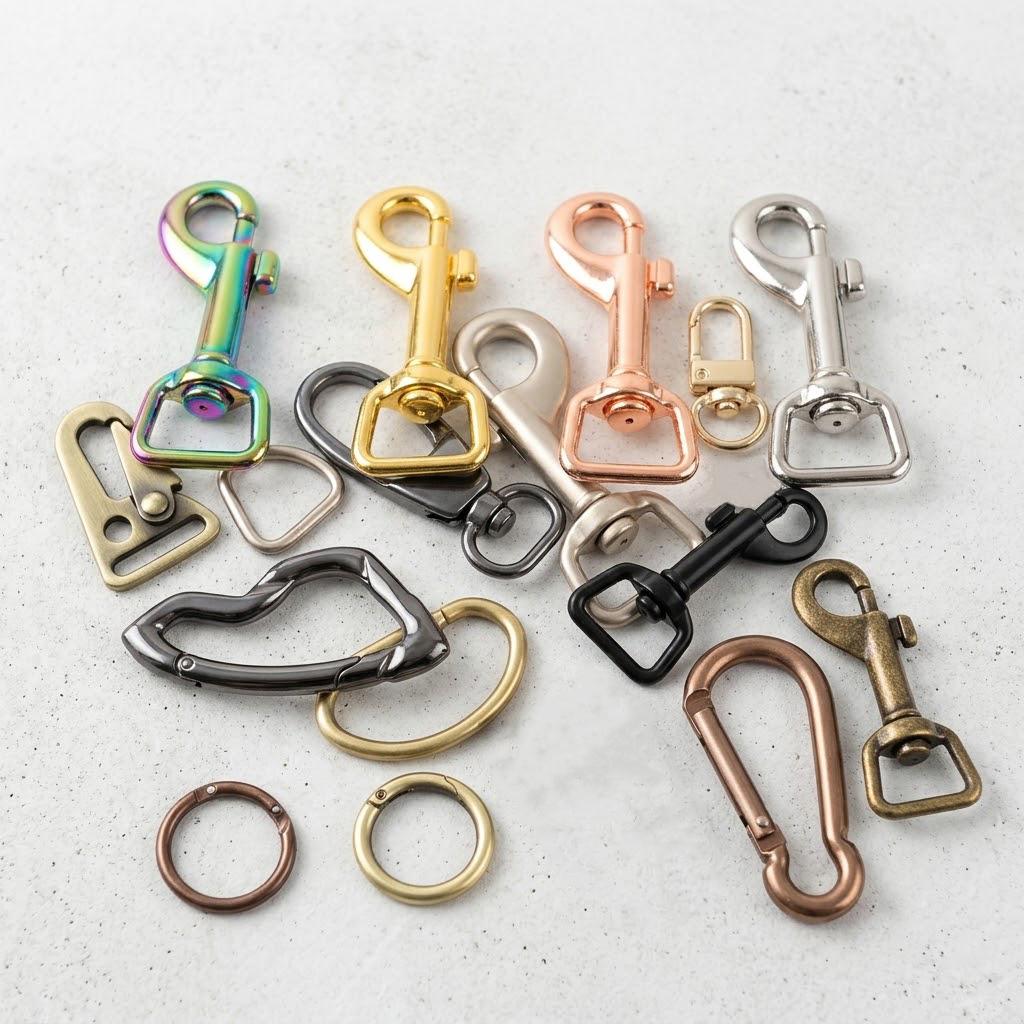
A hook disappears when the metal stops arguing with your hand. Titanium gets close: it warms fast, resists the dull scratch of salt and sweat, and has a slight spring that keeps the point honest through a long session. You notice the absence of weight more than the material itself, which is exactly why it works.
Brass asks for more attention. It has heft, a cool first touch, and a faint drag against the skin that some people read as control. The feedback travels up the shank differently—less bounce, more settle—so a set feels deliberate rather than quick.
Put them side by side and the choice is tactile before it is technical. Titanium rewards a light, fast hand; brass suits a slower, pressured approach. The better hook is the one you stop thinking about after the first few minutes.
Gate Tension Choices Most Carry Guides Skip
Most carry guides obsess over item spikes and power rune rotations, but gate tension rarely gets a mention until a fight is already lost. The difference between holding a high ground choke and getting walked down often comes from how you pre-set the gate before the creep wave even arrives. Snapping it to a narrow angle lets melee supports body-block without stepping past the tower line, while a wider gap baits enemies into thinking they have an escape route that actually funnels them into your ranged core's attack path.
One habit that separates comfortable carries from panicked ones is adjusting tension mid-fight based on who is missing from the map. If the offlaner hasn't shown for the last two waves, tightening the gate to a sliver forces any rotation to commit through a single-file choke, which buys your vision or saves a support's life. On the flip side, leaving it fully open during a fake retreat can turn a three-man gank into an even trade, because the enemy initiator overestimates how fast they can reposition after stepping through.
The real trick is treating gate tension as a communication tool rather than a static setup. A slow, deliberate widening right before a smoke break tells your team you want to contest the next wave, while a sudden snap shut signals a planned disengage that no one has to call over voice. Most players never touch the gate after laning starts, and that hesitation is exactly why their opponents always seem to have one extra angle to play with.
Pocket Loops That Reward a Shorter Profile
The pocket loops sit higher and tighter against the body than you might expect, pulling the whole silhouette upward. Instead of dangling straps or bulky attachment points, the shorter drop keeps everything close, so the profile stays compact even when the pockets are full. It feels less like added hardware and more like the bag is quietly cinching itself into place.
That shorter stance pays off in tight aisles, crowded trains, and doorways where a lower hang would snag or swing. The loops let you clip keys, a small tool, or a rolled layer without letting them drift below the natural line of the pack. There is no bounce against the hip, no strap-end whipping around, just a firm little anchor that keeps the weight where it should be.
The placement is deliberate, not simply trimmed down for looks. By shortening the loop path, the pull stays vertical and balanced, so even a clipped bottle sits flat rather than leaning outward. It rewards people who prefer a neat, close carry without giving up quick access or real attachment strength.
Quiet Hardware for Keys That No Longer Jingle
The old metal ring never really solved the problem—it just gathered keys and let them swing. Quiet hardware takes a different route. Coated loops, magnetic backs, and slim leather wraps hold keys flat and keep the contact points from tapping against each other. You notice the absence of sound before you notice the object itself.
A few designs use a locking plate that fans out only the key you need while the rest stay tucked under felt or silicone. Others put a quick-release pin at the center so you can leave the bulky set behind and carry a single key. The fit is tighter, which means nothing moves enough to jingle, scratch, or snag.
The best pieces get the details right without making a fuss. A magnet clicks into place, an edge glides past pocket fabric, and the whole thing sits light enough to forget. It is hardware for people who would rather feel the weight leave their step than hear it.
Single-Hand Operation Without Overbuilding the Hook
Most one-handed designs try to solve ease of use by piling on springs, levers, and extra housing until the hook feels like a small machine. This one takes the opposite route. The release sits within a natural thumb reach, so you can open or close the gate without shifting your grip or using your other hand. The motion stays short and predictable, which matters more than any added mechanism.
Keeping the hook lean also keeps it dependable. Instead of a bulky locking collar or a multi-stage safety latch, the load path stays direct and the gate snaps back on its own. That means fewer parts to jam, less weight at the end of a lanyard, and no oversized profile catching on gear or clothing when you pull it free.
The result is a hook that feels quick in the hand without looking overbuilt. You get the security of a closed gate and the speed of a one-hand release, but the body remains slim enough to slide into tight spaces. It does its job cleanly, without turning a simple connection point into hardware you have to think about.
FAQ
A cheap carabiner usually has a bulky nose, a stiff gate, and no real thought behind the clip angle. A well-made snap hook sits flatter against a pocket edge, opens with less thumb pressure, and does not catch on fabric the same way. It is less about load rating and more about how smoothly it disappears into your daily reach.
If you are counting grams or dealing with salt air and sweat, yes. Titanium does not rust, keeps its spring tension longer than cheap steel, and the weight difference is noticeable when the hook is hanging from a belt loop all day. If you rarely leave a desk, brass or stainless will feel just as good for half the cost.
Go small enough that the hook cannot twist sideways inside a pocket hem, but large enough that you can open the gate wearing gloves or with cold hands. Around 50 to 60 millimeters overall length tends to hit that balance for keys and small tools. Anything longer starts flopping, and anything much shorter becomes a fingernail breaker.
Solid gates feel more secure and do not develop the same sideways play as some thin wire gates, but they are slower to clean when pocket lint gets packed into the pivot. Wire gates shed grit better and are easier to replace if the spring dies. For everyday pocket carry, a well-seated wire gate usually stays snappy longer in real use.
For keys, a small flashlight, or a pocket tool, yes. A snap hook is quicker to clip and unclip from a belt loop or bag strap. It is not the right tool for climbing or hanging a hammock, but most urban carries never need that rating anyway. Keep the load light and the hook short.
Rounded edges, a recessed screw or pin instead of a bulky rivet, and a gate opening that lines up with the natural motion of your thumb. Engraving is fine, but it should not create a dirt trap. A slight bevel on the nose makes blind clipping much easier than any logo ever will.
Seal it with a thin coat of carnauba wax or a polymer sealant after polishing. Raw brass tarnishes and transfers that residue, but once the surface has a dry barrier, it ages without turning your keys or pocket fabric green. Reapply every few months if you carry the hook against bare skin.
Conclusion
Factory clips rarely earn their place in a daily carry. The spring loses its bite, the metal flexes, and one morning your keys are no longer where you left them. Swapping in a custom snap hook changes that. Titanium keeps the weight down without feeling hollow, while brass picks up a worn-in warmth that suits keys and tools you handle every day. A shorter pocket loop also makes more sense than the long stock tails that let a set of keys drift sideways. The hook sits closer to the hem and stays where you expect it.
The details that separate a useful hook from a gimmick are easy to miss until you use one. Gate tension should be firm enough to stay closed through a jog or a crowded bag, but not so stiff that you need two thumbs to open it. Quiet hardware matters as much; a snug gate and a coated loop stop the constant jingle that announces every step. Some of the best designs keep the profile slim and avoid chunky locks or oversized bolts, so one hand can open the gate, clip it, and move on. That kind of restraint makes the hook a small upgrade that carries its weight every day.
Contact Us
Contact Person: Jamie Zeng
Email: [email protected]
Tel/WhatsApp: +86 13728219269
Website: https://www.kmhardware.com