

Custom Merino Wool Hiking Socks That Keep Your Feet Dry and Comfortable
2026-09-02
Wet socks have ended more hikes than steep climbs ever will. That squelching feeling, the hot spots, the blisters—none of it belongs on your next adventure. This post dives into custom Merino wool hiking socks that keep your feet dry and comfortable, and why they’re quickly becoming the unsung hero of every serious hiker’s kit. We’ll also show you how Mingjun turns that performance into something made just for you—no off-the-shelf compromises. Keep reading to find out what your feet have been missing.
Dry Feet Start With Smarter Fiber Choices
Most people blame sweaty feet on hot weather or long hours in shoes, but the real culprit is often what the socks are made of. Cotton feels soft at first, yet once it gets wet it clings to the skin and takes ages to dry. That lingering moisture softens the skin, invites blisters, and feeds odor-causing bacteria.
Merino wool and high-quality synthetic blends turn the tables by pulling vapor away from the foot before it can turn into liquid. Wool can absorb a surprising amount of moisture without feeling damp, while polyester and nylon move sweat outward and dry fast. A small percentage of elastane keeps the sock from bunching, which also helps air circulate instead of trapping heat against the sole.
Pay attention to knit zones as well. Light cushioning under the ball of the foot and a mesh panel on top direct airflow where it matters most. Switching away from all-cotton socks to a fiber blend chosen for your activity is the simplest way to end the day with feet that feel dry rather than pruned.
A Custom Fit That Ends the Blister Cycle
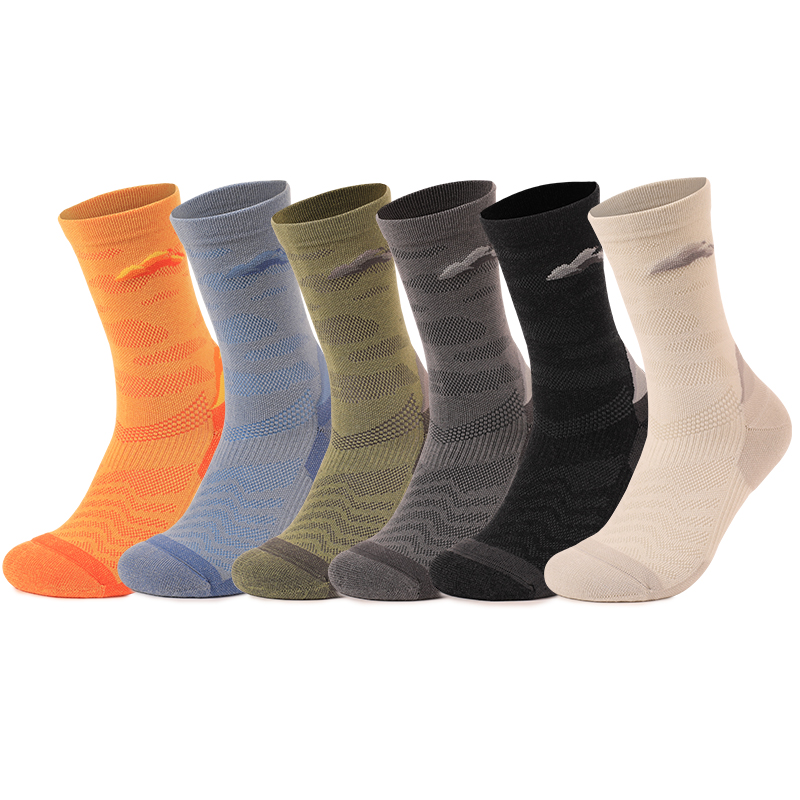
Most blisters aren't caused by bad socks or long miles. They're caused by the same small rub, repeated thousands of times until the skin finally gives up. A custom fit changes that math. Instead of forcing your foot to adapt to a generic last or a one-size-fits-all insole, the shoe follows the actual shape of your heel, arch, and toe box. That means the friction points that used to turn into hot spots never get a chance to form.
What usually happens is a cycle: you tape your heels, break in new shoes, get a blister anyway, wait for it to heal, then start over. A truly custom fit breaks that loop at the source. By matching the contour of your foot from the first step, there's no break-in period where your skin pays the price. No sliding, no pinching, no buildup of heat in the same spot. The result is that your longest runs and longest days end the way they should—without you thinking about your feet at all.
Wool That Wicks Sweat Before It Becomes a Problem
The real trick with wool isn't that it repels water—it's that it pulls moisture out of the air before it even has a chance to bead on your skin. Each fiber has a water-loving core wrapped in a water-shedding outer layer, so sweat vapor gets drawn inside the fiber while liquid rolls off the surface. That means you're not walking around in a damp shirt; you're wearing something actively managing the microclimate next to your body.
Then there's the moment you stop moving. After a climb or a brisk walk, your body keeps radiating heat, but without airflow, any trapped moisture turns cold fast. Wool sidesteps that by spreading moisture across a huge internal surface area, letting it evaporate gradually instead of soaking the fabric. You get that dry, almost airy feeling even when you've worked up a sweat.
It's the kind of quiet performance you don't notice until you're back inside, sitting still, and realize your shirt isn't clinging or turning chilly. No damp patch on your lower back, no sudden shiver. Just the same dry warmth you had when you stepped out the door.
Temperature Control for High-Elevation Hikes
At 10,000 feet, the sun can feel scorching one minute and a cold wind can slice through your layers the next. Managing body heat isn't just about comfort—it's about staying safe when weather swings fast. Start with a thin merino or synthetic base layer that wicks sweat before it chills you. Over that, carry a lightweight fleece or active insulation piece you can pull on during stops. A wind shell or breathable rain jacket belongs in an outside pocket, not buried in your pack.
Most hikers overdress at the trailhead because high peaks start cold, but within twenty minutes of climbing you'll be peeling off layers. A good rule is to feel slightly cool during the first ten minutes—your body will warm up quickly. Keep your head and hands adjustable too: a beanie and thin gloves weigh almost nothing and can stop heat loss when you crest a ridge or enter shade.
Pay attention to microclimates around passes and valleys. Cold air sinks into basins after sunset, so if you're descending late, add a layer before you stop moving. Avoid cotton, which holds moisture and accelerates cooling. Instead, plan your layers so you can change without unpacking everything, and stash a dry base layer for the summit or the final descent.
Durability That Handles Rocky, Muddy Miles
Sharp granite scree and deep, clinging mud are the usual suspects that chew up lesser footwear. The build here leans into that abuse with a reinforced toe cap and a sidewall that shrugs off scuffs from kicked rocks. It's not about being indestructible—it's about staying intact long after the trail has done its worst, so you can focus on the next scramble instead of nursing a split seam.
Underfoot, the outsole uses a rubber compound that grips when the ground turns to loose gravel or wet clay. The tread pattern isn't just for show; the lugs are spaced to shed mud quickly, so you're not carrying the trail with you. Repeated flexing, the kind that comes from miles of uneven footing, hasn't caused the midsole to flatten or crack. That resilience translates to a shoe that feels the same on day one as it does on day thirty.
Stitching, eyelets, and the heel counter all get the same treatment: overbuilt without being bulky. Pull tests and trail time have shown that the weak points aren't where you'd expect. It's the kind of durability that earned its reputation not in a lab, but on the back half of a 20-mile day when the route turns into a creek bed and your boots still come out solid.
The Comfort Upgrade Your Feet Will Notice
Real comfort isn't about cushioning that collapses after a week or foam so soft you lose all ground feel. It's the subtle shift you sense the moment you slide your foot in — the arch support that seems to know where pressure builds, the heel cup that keeps your stride stable without feeling like a brace. This kind of upgrade doesn't announce itself with bouncy gimmicks; it shows up as the absence of that nagging ache after a long day on hard floors.
What makes the difference is how the materials work together. A top layer that wicks moisture before your socks get damp. A midfoot plate that returns energy without flipping your gait into something unnatural. And a flex pattern that moves with your metatarsals instead of fighting them. You won't need to "break them in" — the first step should feel like the hundredth, only fresher. That's when you know the upgrade wasn't just marketing talk. It's the kind of change your feet file away as the new normal, and they'll remind you the moment you put on something else.
FAQ
Merino fibers are thinner and softer than regular wool, so they don't itch. They absorb moisture vapor from your skin, move it away, and release it into the air, which keeps your feet dry even during uphill climbs. Synthetics often trap sweat against the skin, but merino actively manages humidity.
Yes. You can pick the exact height, cushioning level, and even add reinforced zones where you typically get blisters. Some hikers choose a thinner instep for breathability and a padded heel for descents.
Merino wool can hold up to 30% of its weight in moisture before feeling wet, unlike cotton which clings. The knit structure also wicks sweat outward, so it evaporates rather than pooling inside the sock.
No, merino is naturally thermoregulating. It traps warmth when it's cold and releases excess heat when it's warm, so your feet stay in a comfortable range across seasons.
Merino has natural antibacterial properties, so smell builds up much slower than with synthetic options. Many backpackers wear them several days in a row without noticeable odor.
We add extra merino yarn in the heel and toe areas, and offer a nylon reinforcement option for those who hike in abrasive terrain. The fibers also resist tearing better than cotton when wet.
Yes, you can machine wash them cold on a gentle cycle and lay flat to dry. Avoid hot water and the dryer to keep the fibers from shrinking or felting.
You give us your shoe size and foot measurements, and we adjust the knit tension and length. This means no bunching at the toes or slipping at the heel, which are common causes of blisters.
Conclusion
When your trail days end with damp, aching feet, the problem often isn't the distance—it's the sock. Generic outdoor socks treat every foot the same, leaving hot spots and moisture where you don't need them. Custom Merino wool hiking socks flip that script. By blending naturally hydrophobic Merino fibers with a fit shaped to your actual foot, they stop friction before it starts. The wool moves sweat away from the skin quickly, so instead of that clammy, blister-prone feeling halfway up a climb, your feet stay dry and cool. High-elevation hikes demand this kind of temperature control; Merino insulates when the air turns thin and cold but breathes enough to release heat on exposed switchbacks. Pair that with reinforced heels and toes built for rocky, muddy miles, and you get a sock that doesn't quit when the terrain does.
Comfort, though, is where custom design really earns its place. A sock that follows the contours of your arch and ankle reduces bunching and rubbing, which is what turns long descents into blister cycles. Rather than adding thick padding everywhere, the custom approach puts cushion only where your foot strikes hardest. That means better feel inside your boot without bulk or overheating. The result is a noticeable upgrade from the first step: feet that stay dry, warm without sweating, and free from the usual aches that come from ill-fitting socks. It's not just a piece of gear—it's the difference between finishing a hike strong and counting every mile to the car.
Contact Us
Contact Person: Tiga
Email: [email protected]
Tel/WhatsApp: 8613058331729
Website: https://www.china-socksfactory.com/