

Custom Galvanized Solar Section Steel: Key Advantages for Modern Construction
2026-01-26
In an era where sustainability meets structural integrity, innovative materials are reshaping the construction landscape. Enter galvanized solar section steel—a game-changer that seamlessly blends durability with energy efficiency. Energet Solar leads this revolution, offering solutions that not only support modern building designs but also harness solar power to reduce environmental impact. This blog explores the key advantages of this cutting-edge material, from its corrosion resistance to its cost-saving potential. Dive in to discover how galvanized solar section steel is paving the way for smarter, greener construction, and why Energet Solar is at the forefront of this transformative trend.
Enhanced Durability Through Galvanization
Galvanization is a process that coats steel or iron with a protective layer of zinc, often by immersing the material in molten zinc or applying it electrochemically. This method has long been valued for its ability to create a durable barrier against corrosion, making materials more resilient in harsh environments like marine settings or industrial applications where moisture and chemicals pose risks. By forming a physical shield and enabling sacrificial protection even if the coating is scratched, galvanization extends the lifespan of metal structures, from bridges and pipelines to everyday items like fencing and automotive parts, offering cost-effective longevity.
What sets galvanization apart is its dual-action defense mechanism. The zinc layer not only acts as a barrier but also corrodes preferentially to the underlying steel, a phenomenon known as cathodic protection. This means that if the coating is damaged, the zinc sacrificially protects the exposed areas, preventing rust from spreading and maintaining integrity over time. This self-healing quality is particularly valuable in dynamic or high-stress environments, ensuring that durability isn't compromised by minor wear and tear.
For those seeking enhanced durability without constant maintenance, galvanization provides a robust solution. Unlike paints or other coatings that may chip or degrade, the metallurgical bond formed during galvanization results in a uniform, adherent layer that resists flaking and weathering. This process is widely adopted across industries, from construction to agriculture, due to its proven track record in reducing replacement costs and downtime, making it a smart choice for long-term asset protection.
Solar Integration for Energy-Efficient Structures
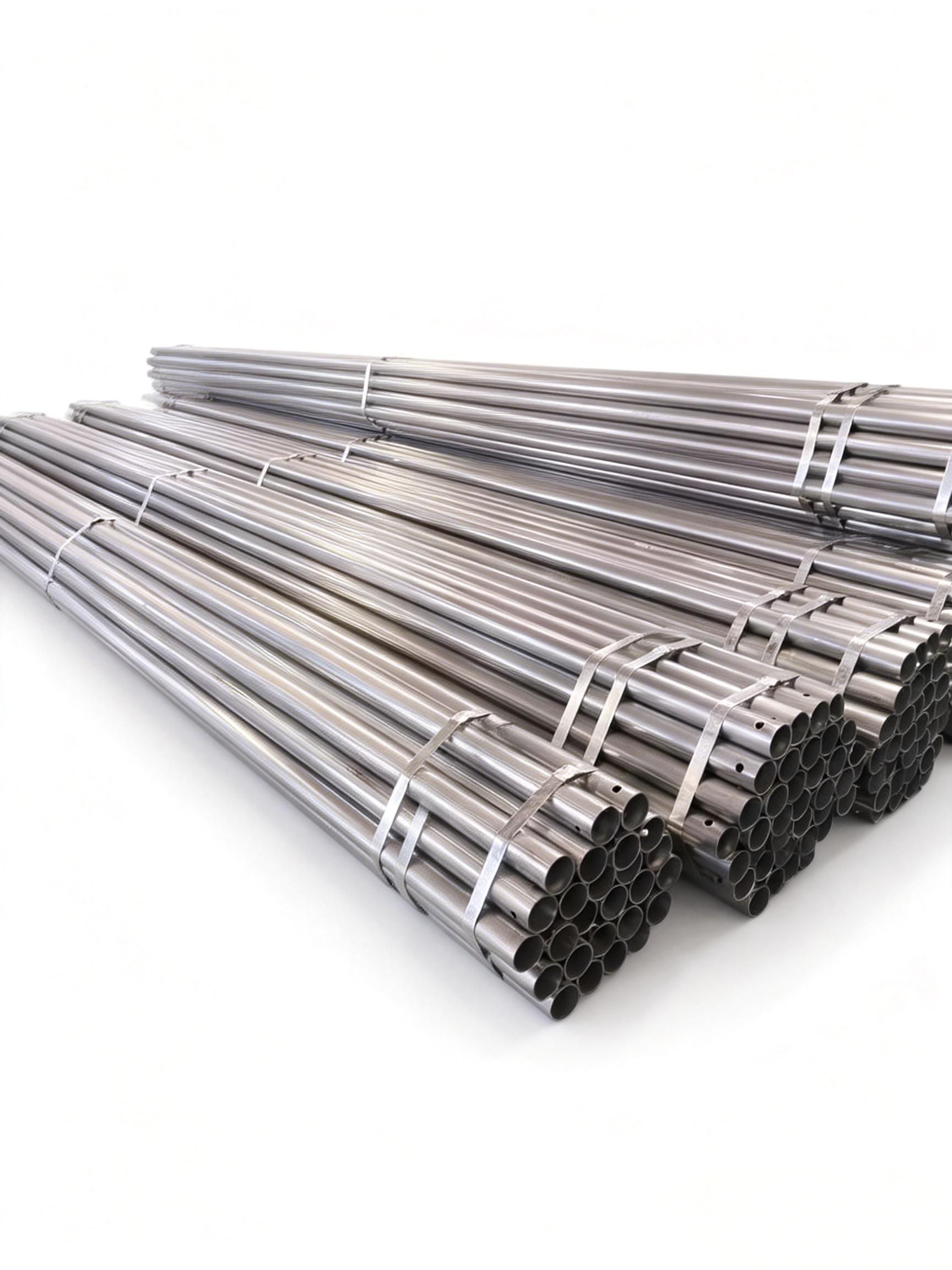
Solar integration plays a pivotal role in modern energy-efficient structures, transforming buildings into active contributors to sustainability rather than passive energy consumers. By incorporating photovoltaic panels, solar thermal systems, and smart energy management technologies, these structures can harness renewable energy directly from the sun. This approach not only reduces reliance on fossil fuels and lowers utility bills but also aligns with global efforts to combat climate change, making it a forward-thinking choice for architects and homeowners alike.
Innovative design strategies enhance the synergy between solar technology and building efficiency. For instance, integrating solar elements seamlessly into facades, roofs, and windows can optimize energy capture while maintaining aesthetic appeal. Advanced materials, like building-integrated photovoltaics (BIPV), allow for dual functionality, serving as both structural components and power generators. Coupled with energy storage solutions and efficient insulation, this integration ensures that structures operate with minimal environmental impact, creating resilient homes and workplaces that are prepared for future energy challenges.
The benefits extend beyond just energy savings, contributing to improved indoor comfort and property value. By leveraging solar power, energy-efficient structures can maintain stable temperatures, reduce carbon footprints, and potentially operate off-grid in some cases. As technology advances, smart systems enable real-time monitoring and optimization, making solar integration more accessible and effective. This holistic approach fosters a greener lifestyle, empowering communities to build sustainably and inspire change in the construction industry.
Custom Design Flexibility in Modern Architecture
In today's architectural landscape, custom design flexibility has become a cornerstone of innovation, allowing designers to tailor spaces to specific needs rather than adhering to rigid, one-size-fits-all blueprints. This shift empowers architects to experiment with unconventional materials, such as reclaimed wood or 3D-printed components, creating unique structures that blend functionality with aesthetic flair. As a result, buildings are no longer just shelters but dynamic expressions of individuality, responding to client preferences and environmental contexts. This approach fosters a deeper connection between inhabitants and their surroundings, making each project a distinct narrative in urban or rural settings.
Advancements in technology, like parametric modeling and building information modeling (BIM), have turbocharged this flexibility, enabling precise adaptations at every stage of construction. Architects can now simulate complex geometries and adjust designs in real-time based on site conditions or budget constraints. This not only reduces waste and costs but also opens doors to sustainable solutions, such as optimizing natural light or integrating renewable energy systems. By embracing these tools, designers craft spaces that are both resilient and responsive, pushing boundaries beyond traditional architectural norms.
Ultimately, custom design flexibility enriches the human experience by fostering environments that evolve with changing lifestyles. From modular homes that expand as families grow to adaptive reuse of historic buildings, it encourages creativity and long-term usability. This trend champions a future where architecture is more inclusive and reflective of diverse cultural and social needs, ensuring that each project leaves a lasting, positive impact on communities.
Structural Strength and Sustainability Combined
When most people think about strong construction materials, they imagine the solid durability of concrete or the unyielding nature of steel. But what if those same materials could also tell a story of environmental stewardship? Modern engineering is no longer just about brute force; it's about weaving strength with sustainability into every beam and column. By selecting materials with a lower carbon footprint—like responsibly sourced timber or recycled steel—and designing structures that minimize waste from the ground up, builders are creating spaces that stand firm not just against the elements, but against the test of time and ecological impact.
This synergy between durability and eco-friendliness isn't just a trend; it's a fundamental shift in how we approach building design. For instance, consider innovations like cross-laminated timber, which offers the robustness needed for high-rise construction while sequestering carbon, unlike traditional materials that emit it. Structures designed with this combined philosophy often feature adaptive reuse of existing frameworks, reducing demolition debris and preserving historical integrity. It's a holistic view where every choice, from insulation to load-bearing elements, is made with both structural integrity and long-term planetary health in mind.
Ultimately, marrying structural strength with sustainability opens doors to resilient, future-ready architectures. Think of buildings that harness natural light to cut energy use, or foundations that manage stormwater runoff to prevent urban flooding. These aren't just theoretical ideas—they're real-world applications that prove we don't have to sacrifice stability for sustainability. By embracing this dual focus, the construction industry is paving the way for environments that are both safe to inhabit and kind to the Earth, ensuring that our built legacy supports generations to come without compromising on either front.
Cost-Effective Long-Term Construction Solutions
When considering construction projects, the initial budget often takes center stage, but savvy builders know that true value emerges over time. Effective long-term solutions delve beyond upfront costs, focusing on materials and methods that stand the test of decades, not just years. By investing in high-quality, durable components upfront, projects can avoid frequent repairs and replacements, ultimately saving money and resources. This approach transforms construction from a one-time expense into a sustainable asset that pays dividends through reduced maintenance and enhanced performance, making it a wise choice for anyone looking to maximize return on investment.
Innovations in construction technology further amplify these benefits, offering smarter ways to achieve durability without breaking the bank. For instance, using energy-efficient systems and smart building designs can slash utility costs significantly, adding another layer of savings over the long haul. These solutions aren't just about cutting corners; they're about strategic planning that aligns with both environmental goals and financial prudence, ensuring that every dollar spent contributes to a resilient and efficient structure.
In practice, adopting these strategies means collaborating closely with experts who prioritize lifecycle analysis, ensuring that decisions made today support tomorrow's needs. Whether it's residential homes or commercial complexes, this forward-thinking mindset fosters buildings that not only look good initially but continue to function optimally, reducing the overall cost of ownership and providing peace of mind for years to come.
Innovative Applications in Contemporary Building Projects
In today's building projects, innovation isn't just a buzzword—it's woven into the fabric of construction itself. Take parametric design tools, for instance, which are reshaping how architects visualize complex structures. These aren't just fancy computer programs; they allow for real-time adjustments to factors like airflow or sunlight, leading to buildings that adapt to their environments rather than fighting them. Projects like The Edge in Amsterdam, with its smart lighting and energy management systems, showcase how integrated technology can boost sustainability without sacrificing aesthetics.
Beyond software, material science is pushing boundaries in ways that would have seemed futuristic a decade ago. Self-healing concrete is emerging, using embedded bacteria to repair cracks automatically, which could drastically reduce maintenance costs and extend building lifespans. Meanwhile, cross-laminated timber (CLT) is gaining traction as a sustainable alternative to steel and concrete, offering impressive strength and carbon sequestration benefits. These materials aren't just experimental—they're being deployed in projects like Norway's Mjøstårnet, the world's tallest timber building, proving that eco-friendly options can stand tall.
Another frontier lies in the social dimensions of innovation, where community-focused designs are taking center stage. Gone are the days of one-size-fits-all buildings; instead, co-creation workshops engage residents from the planning phase. This approach yields spaces that foster connection, like mixed-use developments that blend housing with local businesses to revive neighborhoods. By prioritizing human needs alongside technical specs, these projects demonstrate that the most cutting-edge buildings are those that truly serve the people inside them.
FAQ
Its tailored design and zinc coating enhance durability against corrosion, while integrated solar capabilities boost energy efficiency, making it a versatile and sustainable material.
Galvanization applies a protective zinc layer that prevents rust and wear, ensuring the steel remains strong and reliable over time, even in harsh weather conditions.
The steel sections are designed to incorporate solar panels or photovoltaic elements, allowing buildings to generate renewable energy, reduce electricity costs, and contribute to green building standards.
It can be fabricated in various shapes, sizes, and finishes to suit architectural designs, from curved supports to modular frameworks, offering flexibility for innovative construction solutions.
By combining metal recycling potential with solar power generation, it lowers carbon footprints, reduces energy consumption, and supports eco-friendly building practices without compromising strength.
While initial costs may be higher due to customization and solar features, it offers long-term savings through reduced maintenance, energy production, and extended lifespan from galvanization, outperforming many conventional materials.
Conclusion
Custom Galvanized Solar Section Steel represents a significant advancement in modern construction, combining galvanization for enhanced durability with solar integration to create energy-efficient structures. By incorporating solar panels directly into steel sections, this material reduces reliance on external energy sources while maintaining structural integrity. The galvanization process protects against corrosion and weathering, ensuring long-term performance even in harsh environments, which is crucial for sustainable building projects that demand resilience and minimal maintenance.
Moreover, the flexibility in custom design allows architects to tailor this steel to diverse architectural needs, from sleek urban skyscrapers to innovative residential complexes. This adaptability is paired with exceptional structural strength, supporting sustainability goals by reducing waste and promoting eco-friendly practices. Cost-effectiveness emerges over time through lower energy bills and reduced upkeep, making it a practical choice for contemporary constructions that prioritize both innovation and economic viability. Ultimately, this material fosters creative applications, driving forward the evolution of modern architecture with durable, efficient, and versatile solutions.
Contact Us
Contact Person: Simon
Email: [email protected]
Tel/WhatsApp: 8613672181100
Website: https://energetsolar.com/