

Current Transformer Manufacturers: Drive Efficiency and Precision
2026-01-10
In today's rapidly evolving industrial landscape, current transformers play a pivotal role in driving efficiency and precision across applications. As leaders in this field, manufacturers are continuously innovating to meet growing demands. So, how do these advancements translate into real-world benefits for your operations? In this blog, we'll explore the latest trends and insights from top current transformer manufacturers, including the standout innovations from Lugao. Join us as we delve into how cutting-edge technology is reshaping industries, ensuring you stay ahead with smarter, more reliable solutions.
Innovations in Current Transformer Design for Modern Applications
Current transformers (CTs) have evolved beyond their traditional role in energy metering and protection, driven by the demands of modern applications like renewable energy integration and smart grids. Recent innovations focus on enhancing accuracy and bandwidth to handle distorted waveforms from power electronics, such as those in solar inverters or electric vehicle chargers. For instance, designers are incorporating advanced materials like nanocrystalline cores, which offer better linearity and reduced saturation effects, allowing CTs to maintain precision under varying load conditions. This shift is crucial for grid stability, as it ensures reliable current sensing in environments with high harmonic content.
Another key advancement lies in the miniaturization and integration of CTs with digital technologies. Modern designs often feature built-in analog-to-digital converters (ADCs) and communication interfaces like IoT protocols, enabling real-time data transmission for predictive maintenance and fault detection. These intelligent CTs can self-calibrate and adapt to changing operational parameters, reducing downtime and enhancing overall system efficiency. By embedding processing capabilities directly into the sensor, they eliminate the need for external signal conditioning, which simplifies installation in space-constrained applications such as substations or industrial automation.
Looking ahead, innovations are also targeting sustainability and cost-effectiveness. Some designs utilize eco-friendly materials and manufacturing processes to lower environmental impact, while others leverage 3D printing or modular architectures to cut production expenses. These improvements make CTs more accessible for emerging markets and specialized uses, from microgrids to aerospace power systems, ensuring they remain versatile tools in an increasingly electrified world.
Leading Manufacturers Driving Energy Efficiency in Power Systems
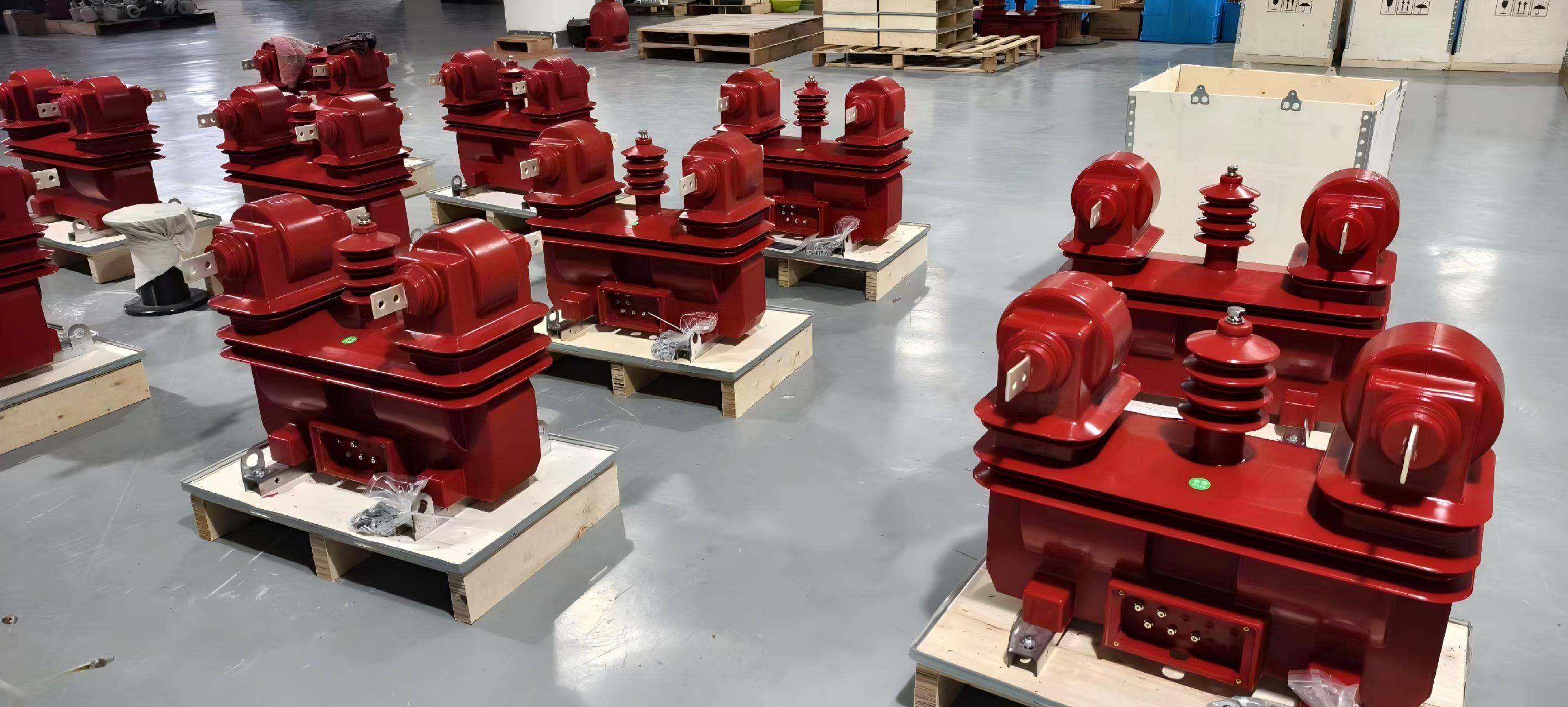
In today's rapidly evolving energy landscape, leading manufacturers are at the forefront of pioneering innovations that significantly enhance efficiency in power systems. These companies aren't just tweaking existing technologies; they're reimagining everything from generation and transmission to distribution, with a sharp focus on reducing waste and boosting performance. By investing heavily in research and development, they're introducing breakthroughs like advanced inverters and smart transformers that adapt in real-time to demand fluctuations, minimizing losses that have long plagued traditional setups.
What truly sets these manufacturers apart is their holistic approach, integrating cutting-edge materials with digital intelligence to create systems that are not only more reliable but also inherently energy-conscious. For instance, some are leveraging AI-driven predictive maintenance to foresee failures before they occur, ensuring optimal operation without unnecessary shutdowns or energy drains. This proactive strategy goes beyond mere compliance with regulations, transforming power networks into dynamic, resilient entities that can handle modern challenges like renewable integration and grid decentralization.
Moreover, collaboration has become a key driver of progress, as top players partner with utilities and tech firms to develop interoperable solutions that scale globally. Through initiatives like eco-friendly manufacturing processes and end-to-end lifecycle management, they're pushing the envelope on sustainability, proving that economic growth and environmental stewardship can go hand-in-hand. Ultimately, their efforts are reshaping how power flows, making systems more adaptable, cost-effective, and less carbon-intensive for a cleaner future.
Precision and Accuracy in Current Measurement Technologies
In the realm of modern measurement technologies, precision and accuracy stand as twin pillars that underpin reliability across scientific and industrial applications. While often used interchangeably in casual conversation, these terms harbor distinct meanings that are crucial for effective data interpretation. Precision refers to the consistency or repeatability of measurements under unchanged conditions, ensuring that multiple trials yield closely clustered results. On the other hand, accuracy denotes how closely a measurement aligns with the true or accepted value, reflecting the correctness of the outcome. For instance, a highly precise but inaccurate device might consistently produce the same wrong reading, which could mislead analyses in fields like pharmaceuticals or environmental monitoring, where even minor deviations can have significant repercussions.
Advancements in current technologies, such as digital sensors, laser interferometry, and atomic force microscopy, have dramatically enhanced both precision and accuracy through innovations like noise reduction algorithms and real-time calibration. These tools employ sophisticated methods to minimize random errors (affecting precision) and systematic errors (impacting accuracy), enabling measurements at nanometer scales or with microsecond timing. In laboratory settings, this translates to more reliable experiments, while industries like aerospace and telecommunications benefit from components that meet stringent specifications without costly overruns. By leveraging automation and artificial intelligence, modern systems can self-adjust to environmental changes, further boosting performance and reducing human-induced variability, which has historically been a limiting factor in measurement consistency.
Looking ahead, the push for greater precision and accuracy continues to drive research, with emerging trends like quantum metrology and integrated IoT sensors promising unprecedented levels of detail. As technologies evolve, maintaining a clear distinction between these concepts remains vital for interpreting results and fostering innovation. Ultimately, a balanced focus on both precision and accuracy ensures that measurements not only repeat reliably but also truthfully reflect the world around us, empowering progress in everything from medical diagnostics to global navigation.
Custom Solutions for Industrial and Commercial Needs
In today's fast-paced industrial and commercial sectors, one-size-fits-all approaches often fall short, leaving businesses grappling with inefficiencies or missed opportunities. At our core, we specialize in crafting tailored strategies that directly address your unique challenges, whether you're scaling a manufacturing plant or optimizing a retail chain's logistics. By diving deep into your specific workflows and goals, we deliver solutions that not only solve immediate problems but also pave the way for sustainable growth, ensuring every project aligns precisely with your operational demands.
What sets us apart is our hands-on, collaborative process that goes beyond generic offerings. Instead of relying on off-the-shelf tools, we engage with your team to dissect pain points and co-create systems that enhance productivity and reduce costs. For instance, a recent project involved designing a modular software platform for a warehouse, which cut processing time by 30% while adapting seamlessly to seasonal fluctuations. This bespoke approach means you get results that are as unique as your business, boosting competitiveness without the clutter of unnecessary features.
Ultimately, our commitment lies in building partnerships that evolve with your needs, offering ongoing support and iterative improvements. From initial consultation to implementation and beyond, we ensure our custom solutions remain agile, integrating new technologies and feedback to keep your operations ahead of the curve. It's not just about fixing issues—it's about empowering you to innovate and thrive in an ever-changing market landscape.
Sustainable Practices in Transformer Manufacturing
In the world of transformer manufacturing, sustainability is no longer a niche concern but a core driver of innovation and efficiency. Companies are increasingly focusing on reducing the environmental footprint through energy-efficient production processes, such as using renewable energy sources in factories and optimizing assembly lines to minimize waste. For instance, some manufacturers have implemented closed-loop systems for cooling fluids, significantly cutting down on water consumption and chemical runoff. This shift not only helps meet regulatory standards but also appeals to environmentally conscious clients who prioritize green supply chains.
Material selection plays a crucial role in sustainable transformer production, with a growing emphasis on recyclable and eco-friendly components. Advanced technologies like amorphous metal cores and biodegradable insulation materials are being adopted to enhance energy efficiency and reduce long-term environmental impact. These innovations often extend the lifespan of transformers, decreasing the frequency of replacements and the associated resource depletion. By integrating life-cycle assessments into design phases, manufacturers can better predict and mitigate environmental effects, from raw material extraction to disposal.
Beyond the factory floor, sustainability in transformer manufacturing involves collaboration across the supply chain and community engagement. Leading firms are partnering with local stakeholders to support recycling initiatives and promote circular economy principles, such as refurbishing old transformers for reuse. This approach not only conserves resources but also fosters economic resilience in regions dependent on manufacturing. As the industry evolves, these practices are setting new benchmarks for responsibility, demonstrating that ecological stewardship can go hand-in-hand with technological advancement and business growth.
Advancements in Materials and Construction Techniques
The evolution of materials and construction methods has dramatically transformed the building landscape, moving beyond traditional brick and mortar to embrace innovations like self-healing concrete and 3D printing. These advancements not only enhance durability and sustainability but also allow for more complex architectural designs, pushing the boundaries of what's possible in modern engineering.
In recent years, the integration of smart materials, such as shape-memory alloys and phase-change materials, has introduced responsive features that adapt to environmental conditions, improving energy efficiency and occupant comfort. This shift toward adaptive construction is redefining how structures interact with their surroundings, making buildings more resilient and cost-effective over time.
Moreover, techniques like modular construction and prefabrication are streamlining project timelines while reducing waste, supported by digital tools like Building Information Modeling (BIM) that optimize planning and execution. As these trends converge, they pave the way for smarter, greener cities and a more efficient approach to global infrastructure development.
FAQ
Manufacturers are focusing on smart grid integration, which enhances real-time monitoring and efficiency, as well as developing eco-friendly designs with biodegradable oils and recyclable materials to reduce environmental impact.
Advanced transformers now use amorphous metal cores and optimized winding techniques, which lower no-load losses by up to 70%, significantly cutting energy waste in distribution networks.
Precision ensures tighter tolerances in components like bushings and cooling systems, reducing failure rates and extending operational life, which is crucial for critical infrastructure.
Key materials include high-grade silicon steel for cores to reduce hysteresis losses and advanced insulating papers that withstand higher operating temperatures, boosting durability and capacity.
They're implementing IoT sensors and predictive analytics to enable condition-based maintenance, allowing for proactive repairs before issues lead to costly downtime.
Innovations include dynamic voltage regulation and modular designs that easily integrate with solar and wind farms, stabilizing grids as renewable inputs fluctuate.
Conclusion
Current transformer manufacturers are revolutionizing power systems by focusing on efficiency and precision through innovative designs tailored for modern applications. Leading companies are integrating advancements in materials and construction techniques to enhance energy efficiency, reducing losses and improving reliability. Custom solutions address diverse industrial and commercial needs, ensuring adaptability across sectors. This drive is supported by sustainable practices, minimizing environmental impact while maintaining high performance.
Precision and accuracy in current measurement technologies are at the core of these efforts, enabling more reliable data for smart grids and automation. Manufacturers are pushing boundaries with innovations that combine durability with cost-effectiveness, setting new standards in the industry. By prioritizing both efficiency gains and measurement fidelity, they are empowering safer and more resilient electrical infrastructures globally, fostering a future where power management is both intelligent and sustainable.
Contact Us
Contact Person: Doreen
Email: [email protected]
Tel/WhatsApp: 8618057712366
Website: https://www.liugaopower.com/