

Copper and Aluminum: The Dynamics of Chinese Non-ferrous Metals
2026-02-20
In the ever-evolving landscape of global industry, few sectors capture the essence of innovation and resilience like the non-ferrous metals market. 'Copper and Aluminum: The Dynamics of Chinese Non-ferrous Metals' delves into the intricate web of forces shaping these vital resources, from economic policies to technological advancements. At the heart of this transformation lies GRM, a brand synonymous with cutting-edge solutions that redefine how we approach metal processing. As we explore China's pivotal role in this arena, we'll uncover not just trends, but the stories of adaptation and growth that inspire curiosity. Join us on this journey to understand the metals that power our world—and the visionary players driving change.
The Supply Chain of China's Copper and Aluminum Industries
China's copper and aluminum industries are tightly interwoven into a vast and dynamic supply chain, heavily reliant on both domestic mining and global imports. For copper, the country sources a significant portion from South America, particularly Peru and Chile, while also leveraging local deposits to bolster self-sufficiency. Aluminum production depends largely on bauxite imports from Indonesia and Australia, processed into alumina before being refined into primary metal at facilities across provinces like Shandong and Henan. These raw material flows are supported by extensive port infrastructure, with major hubs like Ningbo and Qingdao facilitating seamless trade.
Once refined, the metals move through a sophisticated network of transportation, including railways and highways, to reach manufacturing centers where they are transformed into diverse products. Copper is often utilized in electrical wires, electronics, and automotive components, while aluminum finds applications in construction, packaging, and aerospace. This mid-stream processing is dominated by state-owned enterprises, yet a growing number of private firms are enhancing flexibility and innovation. The supply chain's efficiency hinges on advanced logistics systems and government policies that prioritize industrial upgrades, ensuring minimal disruptions and competitive pricing in global markets.
Environmental and strategic challenges add layers of complexity to this supply chain. China is increasingly focusing on sustainable practices, such as recycling scrap metal to reduce dependence on virgin resources, which is crucial given tightening global regulations. Additionally, geopolitical tensions and trade disputes can impact import routes, prompting the development of alternative sources and stockpiling strategies. The industries are also adapting to technological shifts, like the rise of electric vehicles that demand more copper and lightweight aluminum, driving investments in greener production methods and resilient supply networks to maintain their pivotal role worldwide.
Price Fluctuation Patterns in Non-Ferrous Metals
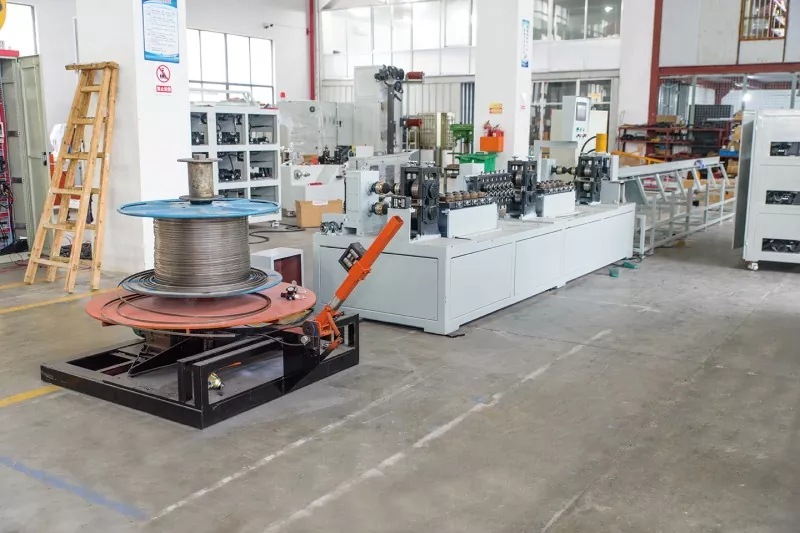
The pricing dynamics of non-ferrous metals like copper, aluminum, and nickel are far from static, characterized by cyclical swings that reflect a complex interplay of global economic trends and industrial demand. For instance, copper prices often surge during periods of robust construction and manufacturing activity, while downturns in sectors like automotive production can trigger sharp declines. These fluctuations are not merely random; they follow identifiable patterns driven by supply chain disruptions, geopolitical tensions affecting mining operations, and shifts in green energy investments, which heavily rely on metals such as cobalt and lithium.
A closer look reveals that seasonal trends also play a role, with demand peaking in certain quarters due to factors like pre-holiday manufacturing boosts in Asia or infrastructure projects ramping up in the spring. Traders and analysts track these rhythms, using historical data to anticipate movements, but unexpected events—like a major mine strike or sudden policy changes in key producing countries—can swiftly alter the trajectory. This unpredictability adds a layer of risk for industries dependent on stable material costs, prompting strategies like hedging or diversifying sourcing to mitigate volatility.
Moreover, the rise of electric vehicles and renewable energy technologies has introduced new volatility drivers, as demand for battery-grade metals escalates. Unlike traditional cycles, these emerging patterns are shaped by technological advancements and regulatory shifts, creating a more fragmented market where prices can diverge sharply from those of more established metals. Understanding these evolving patterns requires not just market analysis but also insight into innovation trends and environmental policies, making price forecasting an increasingly nuanced discipline in the non-ferrous metals sector.
Environmental Regulations Shaping Metal Production
Environmental regulations are fundamentally transforming how metals are produced worldwide. Governments and international bodies have increasingly tightened standards over the past few decades, pushing companies to innovate or face hefty fines and operational restrictions. This shift isn't just about reducing emissions; it's changing entire supply chains, from mining practices to end-of-life recycling.
One significant impact is the move towards cleaner energy sources in smelting and refining processes. Traditional methods that rely heavily on coal and other fossil fuels are being phased out in favor of electric arc furnaces and renewable-powered operations. This transition not only cuts carbon footprints but also enhances energy efficiency, leading to cost savings over time as technology advances.
Moreover, these regulations encourage circular economy principles, such as recycling scrap metal to minimize raw material extraction. Companies are investing in better waste management and pollution control technologies, ensuring that toxic byproducts don't contaminate local ecosystems. As a result, the industry is becoming more sustainable, balancing economic growth with environmental stewardship.
Technological Advancements in Smelting and Refining
Innovations in smelting and refining have significantly evolved beyond traditional methods, integrating advanced materials and processes that enhance efficiency and sustainability. For example, the adoption of electric arc furnaces in steelmaking allows for greater control over temperature and composition, leading to higher-quality outputs while reducing energy consumption. Similarly, hydrometallurgical techniques, such as solvent extraction, enable the recovery of precious metals with minimal environmental impact, revolutionizing how ores are processed in industries like mining and electronics.
Another key development is the implementation of automation and digital technologies, including AI-driven optimization and real-time monitoring systems. These tools help plants adjust operations dynamically, predict maintenance needs, and minimize waste, resulting in safer and more cost-effective production. By leveraging data analytics, companies can fine-tune refining stages to achieve purer metals and alloys, catering to the growing demand for high-performance materials in sectors such as aerospace and renewable energy.
Looking ahead, emerging trends like plasma smelting and bioleaching are pushing the boundaries further by offering cleaner alternatives to conventional methods. Plasma processes can handle complex materials at extreme temperatures, while bioleaching uses microorganisms to extract metals from low-grade ores, reducing reliance on harsh chemicals. These advancements not only boost productivity but also align with global efforts toward circular economies, where recycling and resource efficiency become central to industrial practices.
Global Trade Dynamics and Chinese Metal Exports
Global trade dynamics are increasingly shaped by shifts in industrial demand, geopolitical tensions, and supply chain resilience, with Chinese metal exports playing a pivotal role in raw material markets. As countries navigate post-pandemic economic recoveries and green energy transitions, the flow of metals like steel, aluminum, and rare earth elements from China influences pricing and availability worldwide, reflecting broader trends in global manufacturing and investment patterns.
Chinese metal exports have adapted to regulatory changes and international trade policies, such as tariffs and environmental standards, which impact production costs and export volumes. This evolution is not just about quantity; it involves strategic moves to add value through processing and innovation, positioning China as both a major supplier and a competitive player in high-tech metal applications, from electronics to renewable energy infrastructure.
Looking ahead, the interplay between Chinese exports and global trade dynamics will likely hinge on factors like resource sustainability, technological advancements, and bilateral agreements, shaping how markets respond to fluctuations in supply and demand. This ongoing narrative underscores the intricate connections in international commerce, where metal flows serve as a barometer for economic health and industrial priorities across regions.
Future Trends: Sustainability and Market Shifts
As global awareness of environmental issues continues to rise, sustainability is no longer just a buzzword but a driving force behind major market transformations. Companies across industries are rethinking their strategies, integrating eco-friendly practices to appeal to increasingly conscious consumers. This shift isn't just about reducing carbon footprints; it's reshaping supply chains, product designs, and even financial investments, creating new opportunities and challenges for businesses aiming to stay competitive.
Beyond mere compliance, forward-thinking organizations are leveraging sustainability to innovate and differentiate themselves. For instance, the rise of circular economy models—where waste is minimized through reuse and recycling—is gaining traction, pushing markets toward more resilient and resource-efficient systems. Meanwhile, consumer demand for transparency and ethical sourcing is prompting brands to adopt green technologies and sustainable materials, often leading to unexpected collaborations and niche market growth.
Looking ahead, these trends suggest a future where market success hinges on balancing profitability with planetary health. Regulatory pressures and investor expectations are likely to intensify, accelerating the adoption of sustainable practices. As such, businesses that anticipate and adapt to these shifts early will not only mitigate risks but also carve out leadership positions in an evolving economic landscape, turning sustainability into a core driver of long-term value and innovation.
FAQ
China's rapid urbanization and infrastructure development, coupled with growth in the renewable energy and electric vehicle sectors, are primary drivers boosting demand for copper and aluminum.
Stricter environmental regulations often lead to production cuts and higher costs, but they also incentivize technological upgrades and recycling, potentially stabilizing long-term supply.
China heavily relies on imports for copper ore and refined aluminum exports, making it sensitive to global trade dynamics and tariffs, which can cause price volatility.
Price swings impact sectors like construction and manufacturing by altering production costs, prompting industries to adjust procurement strategies and innovate in material usage.
Key challenges include inefficient collection systems, technological barriers in separating materials, and low public awareness, though government initiatives are gradually improving this.
This shift increases demand for aluminum in lightweight vehicles and copper in electrical grids and charging infrastructure, reshaping consumption towards high-tech applications.
Conclusion
The article "Copper and Aluminum: The Dynamics of Chinese Non-ferrous Metals" delves into the intricate landscape of China's copper and aluminum sectors, highlighting key structural and operational elements. It first explores the supply chain dynamics, detailing how raw material sourcing, processing, and distribution networks underpin these industries. The discussion then shifts to price fluctuation patterns, examining historical trends and factors driving volatility in non-ferrous metals markets. Environmental regulations are presented as a powerful force reshaping production methods, pushing manufacturers toward greener practices amid global sustainability pressures. This sets the stage for an analysis of technological advancements in smelting and refining, showcasing innovations that enhance efficiency and reduce environmental footprints. Finally, the article touches on global trade dynamics, illustrating how Chinese metal exports influence international markets and respond to shifting trade policies.
Looking ahead, the article identifies future trends centered on sustainability and market shifts. It predicts that ongoing technological progress will drive further improvements in energy efficiency and waste reduction, while stricter environmental mandates continue to transform production landscapes. Global trade patterns are expected to evolve, with Chinese exports adapting to new economic realities and competitive pressures. The interplay of these factors—supply chain resilience, price mechanisms, regulatory frameworks, and innovation—points toward a more integrated and sustainable future for China's non-ferrous metals industry. This holistic perspective underscores the complexity of these sectors and their critical role in both domestic and global economies.
Contact Us
Contact Person: Rayna
Email: [email protected]
Tel/WhatsApp: 86 -173 1474 6343
Website: https://www.grmrollingmill.com/