
China Stackable Metal Bin Manufacturer Delivers Durable Custom Storage Solutions
2026-07-03
When warehouse chaos threatens your workflow, the right storage bin makes all the difference. At Lanyuda, we craft stackable metal bins that combine rugged durability with custom designs built around your exact needs. Discover how our China-based manufacturing delivers tailored solutions that organize, protect, and streamline your operations—without the usual compromises.
Crafting Heavy-Duty Stackable Metal Bins for Global Warehouses
Designing metal bins that can shoulder immense loads while nesting efficiently is a balancing act between material science and spatial economy. The process starts with selecting high-tensile steel alloys that resist deformation under stacked heights often reaching ten tiers or more. Each bin is reinforced with folded lips and cross-braced corners to prevent buckling, ensuring that even when fully loaded with dense industrial parts, the structure maintains its integrity through countless forklift cycles. Weld seams are strategically placed away from stress points, and the bins undergo finite element analysis to simulate real-world stacking in transit and storage, so that every unit that leaves the factory floor is ready for the demanding rhythm of global logistics.
Precision in fabrication goes hand-in-hand with standardized dimensions that make these bins truly global citizens. Whether they are moving through a port in Rotterdam or a cross-dock in Singapore, the bins follow strict footprint specifications that align with pallets, racks, and containerized freight. Automated bending and robotic welding lines ensure that each bin is identical within a millimeter, which is critical when stacking twenty units high in automated warehouses. The liquid paint or powder coating applied is not just for visibility or branding—it's a protective barrier against rust during ocean crossings and humid storage, often tested to withstand over a thousand hours of salt spray without breakdown.
Beyond brute strength, the cleverness lies in how these bins nest when empty. A deliberate taper in the side walls allows them to collapse into one another at a 4-to-1 ratio, turning a towering stack of empties into a manageable cube that saves floor space and return freight costs. This nesting geometry is calibrated so there is no jamming or wedging—even after years of rough handling, the bins slide apart smoothly. For manufacturers and distributors operating across continents, that simple nesting function translates into significant logistics savings, making these heavy-duty metal bins a quiet but essential backbone of the supply chain.
Tailored Storage Solutions: From Blueprint to Finished Bin
Every project kicks off with a conversation—getting to the heart of what you actually need to store, how often you'll access it, and the space you're working with. Those early sketches aren't just lines on paper; they're a translation of your daily workflow into a physical structure. We tweak and refine those blueprints until they reflect not only dimension and capacity but the rhythm of how your team moves and operates.
Once the design feels right, material selection takes center stage. From powder-coated steel frame options to color-coded bin fronts, nothing is off the shelf. The build process itself is a careful blend of precision cutting, reinforced joinery, and attention to the tiniest details—like edge finishing that prevents snags or labels built right into the fascia. Every bend and weld is checked against your original specs, ensuring the unit grows from the drawing board exactly as envisioned.
When the finished bin finally rolls into place, it's more than a container—it's a seamless extension of your operation. Heavy-duty casters glide silently across the floor, compartments sized just right swallow tools and parts without wasted space, and the whole thing withstands the daily grind without buckling. That journey from concept to completion means you're not just buying a storage solution; you're equipping your workspace with something that genuinely fits the task at hand.
Why Our Metal Bins Outlast Standard Storage Options
Standard storage bins might look sturdy on day one, but give them a few rough seasons and you'll see cracked corners, warped lids, and rust spots creeping in. Metal bins built with heavy-gauge galvanized steel, on the other hand, shrug off rain, snow, and UV rays with surprising indifference. The real difference is in the way they're put together: reinforced seams, double-thick base plates, and powder-coated finishes that don't just sit on the surface but bond deep into the metal. These aren't features you'll notice in a catalog photo, but they're exactly what stops a bin from turning into scrap after a couple of winter thaws.
Another overlooked weak point in ordinary storage solutions is the locking mechanism and hinge design. After a few hundred open-close cycles, cheap plastic latches stiffen or snap, and poorly-joined metal hinges start to grind and sag. Properly engineered metal bins use welded steel pin hinges and latching systems that remain smooth and tight even when the bin is loaded beyond its rated capacity. It's a level of durability that doesn't come from using thicker steel alone — it comes from understanding how people actually use a storage bin: tossing in heavy tools, leaning lids against walls, and occasionally sitting on them to reach a shelf.
The hidden cost of short-lived storage is how often you have to replace it. When a bin fails, it's not just the price of a new one — it's the hassle of dealing with scattered contents, the time spent shopping for a replacement, and the creeping suspicion that you should have bought something better in the first place. Metal bins made with a focus on longevity eliminate that cycle. They cost more upfront, but they also age into their role, developing a patina of use that lighter materials simply can't match. After decade one, they've barely started to prove their worth.
Space-Saving Designs That Maximize Your Floor Plan
An open floor plan doesn’t have to mean sacrificing intimacy or purpose in your home. By blending clever visual tricks with purpose-driven layouts, you can make even the smallest rooms feel generous and welcoming. Instead of relying on walls, think about how furniture placement, lighting, and color can define different zones without closing them off entirely. A low-backed sofa, for example, can act as a gentle divider between a living area and a workspace, while a strategically placed bookshelf adds storage without cutting off light. The goal is to create a natural flow that lets the eye travel freely, making the whole space feel larger.
Consider using double-duty pieces that earn their footprint by serving more than one function. A dining table with leaves can shrink for daily meals and expand for entertaining, while a storage ottoman hides clutter and offers extra seating when guests arrive. Vertical space is your greatest ally in compact interiors—floor-to-ceiling shelving draws the eye upward and keeps essentials off the floor. Mirrors can double the perceived depth of a room, but they need to be placed where they'll reflect something worthwhile, like a window or a piece of art, rather than just a blank wall. Even the color palette plays a role: lighter, continuous tones across different zones create a seamless transition, while a single bold accent wall can anchor a room without breaking the continuity.
The real secret to space-saving design is treating every square inch as an opportunity, not a limitation. Look for underused corners where a slim desk or a reading nook might fit, or install floating shelves above doorframes for extra storage that doesn't interrupt the flow of the room. Recessed lighting and wall-mounted fixtures free up floor and table space, while transparent materials like glass or lucite keep sightlines clear. Ultimately, a well-thought-out layout lets you enjoy the versatility of an open plan while still carving out pockets of comfort and privacy—proof that thoughtful design can make any home feel twice its size.
Seamless Customization Without the Long Lead Times
Gone are the days when tailoring a product to your exact needs meant waiting weeks or months. Our approach streamlines the customization process, embedding flexibility directly into the manufacturing workflow so that each order is treated as a unique project without the typical bottlenecks. From subtle tweaks to full-scale modifications, your vision takes shape in real time, with production kicking off the moment you approve the final spec.
We’ve replaced the old back-and-forth of endless quotes and consultations with a smart configuration system that lets you define parameters instantly. Behind the scenes, our agile production cells adapt on the fly, swapping out components or adjusting processes without pausing the line. This means you get a truly bespoke outcome—whether it’s a single unit or a bulk order—delivered on a timeline that feels more like off-the-shelf shipping.
The secret lies in our modular design philosophy and just-in-time material supply. Instead of forcing every personalized order into the same rigid queue, we treat customization as the default, not an exception. As a result, you can iterate on details until they’re perfect, confident that the final product will land in your hands while the idea is still fresh.
Real-World Uses: From Parts Storage to Bulk Material Handling
Heavy-duty shelving units are a familiar sight in auto shops and maintenance facilities, where they keep spare parts, tools, and supplies orderly and within reach. Adjustable shelves let teams customize layouts to fit oddly shaped components or fast-moving inventory. Labels and bin dividers further streamline daily workflows, cutting the time spent hunting for the right item.
In warehouses and distribution centers, these shelves evolve into high-capacity racking systems designed for palletized goods. The same sturdy steel construction handles the shift from storing small cartons to supporting bulk loads of raw materials. By reconfiguring beam levels and adding decking, the same basic framework can manage everything from lightweight boxes to heavy drums, adapting as storage needs change.
Manufacturing plants often rely on these systems at the production line, where components are staged for assembly. The durability of the shelving ensures it can withstand frequent handling and the occasional bump from forklifts. Beyond the factory floor, you’ll see similar setups in retail backrooms and even archival storage, proving that the real strength lies in how simply the equipment flexes between light-duty organization and heavy industrial use.
FAQ
They’re built with reinforced steel joints and a powder-coated finish that resists scratches even in busy warehouses. The interlocking stack design stays stable without extra clips, and we can laser-cut company logos directly into the sides, which most off-the-shelf bins don’t offer.
Absolutely. We regularly do sizes from compact desk organizers to pallet-scale bins over four feet tall. Color-wise, you can pick from our standard palette or send a Pantone code – we’ll match it. No minimum order quantity for custom spans either.
Much tougher. Our bins can handle loads exceeding 500 kg without deforming, and they won’t crack in cold storage or warp near heat sources. A lot of clients switch from plastic after seeing them survive forklift bumps without dents.
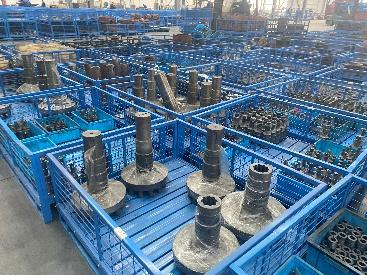
Yes, we’ve supplied automotive plants and steel foundries. The bins have reinforced base channels and fully welded seams so they hold up to sharp-edged scrap, heavy castings, and constant forklift handling. We can also add drain holes or forklift pockets if needed.
We do. You can send a rough sketch or even photos of your space, and our engineers will propose layouts and bin configurations that maximize density and retrieval speed. We’ve helped clients reduce floor space usage by 30% with tailored designs.
From final drawing approval, standard customization takes about 4-5 weeks. If you’re in a pinch, we can often push rush orders through in half that time for a small surcharge, as long as the steel grade is in stock.
Each bin has corner castings that fit snugly into the bin below, locking horizontally. A simple twist-lock mechanism keeps four-high stacks solid, even when you’re picking from the top. We’ve tested them on vibration platforms to simulate earthquakes – they stay put.
We ship globally with partners that handle sea and air freight. Major ports in North America, Europe, and Southeast Asia usually receive shipments within 3-6 weeks. We’ll handle customs paperwork and can deliver to your door.
Conclusion
China's stackable metal bin manufacturers have earned a global reputation for delivering storage solutions that combine rugged durability with smart, customizable design. These bins are crafted from heavy-gauge steel, engineered to withstand the daily demands of busy warehouses, factories, and distribution centers. Unlike flimsy alternatives, they are built with reinforced corners and welded seams, ensuring they hold up under heavy loads and frequent stacking. The manufacturing process pays close attention to detail, from initial blueprint to final powder-coated finish, resulting in bins that resist corrosion, impacts, and years of wear. This commitment to quality means logistics managers can count on these metal bins to protect valuable inventory and streamline operations without constant replacement.
What truly sets these Chinese manufacturers apart is their ability to tailor every aspect of a bin to the customer's specific needs, without the typical long wait times. Whether it's adjusting dimensions to fit a unique floor plan, adding dividers for small parts, or incorporating drop-down doors for easy access, customization happens quickly thanks to advanced production lines and lean workflows. The bins' space-saving designs often include stackable nesting features that reduce footprint when not in use, maximizing warehouse square footage. Real-world applications are vast: automotive plants use them for organizing components, textile mills for bulk material handling, and e-commerce operations for efficient order picking. By blending heavy-duty construction with flexible, rapid customization, China's stackable metal bin producers provide a cost-effective, enduring answer to modern storage challenges.
Contact Us
Contact Person: Johnny
Email: [email protected]
Tel/WhatsApp: +86 18151010686
Website: https://lydstorage.com