

Chain Link Fence Suppliers in China: 10 Trusted Manufacturers to Consider
2026-09-13
Finding a dependable chain link fence supplier in China can feel like navigating a maze—countless options, vague promises, and the constant worry of quality slipping through the cracks. That’s why we’ve done the heavy lifting to narrow down 10 trusted manufacturers who actually deliver on their word. Among them, Topfencesolar stands out for its consistent build quality and responsive support, but you’ll want to see the full list to pick the right fit for your next project. Read on to avoid costly mistakes and secure a fence that lasts.
What Separates Reliable Chinese Chain Link Fence Makers from the Rest
Plenty of factories can bend wire into diamonds, but the ones worth keeping on your supplier list tend to share a stubborn insistence on the unglamorous stuff. They document raw material heat numbers instead of just claiming “premium steel.” They run zinc-coating thickness tests on every shift, not once a quarter. And when a batch falls short, they quarantine it before it ever reaches a container. That kind of discipline rarely shows up in glossy brochures, but it shows up on the fence line three years later when the galvanizing is still intact and the mesh hasn’t sagged into a sad smile.
Communication habits separate them too. A dependable maker asks about your site conditions, wind load requirements, and whether the fence will face coastal salt spray or industrial chemicals. Then they propose adjustments—heavier posts, closer spacing, a thicker PVC bond—without being asked. The less reliable ones quote the same generic panel for every inquiry and disappear when questions get technical. You can feel the difference quickly: one treats you like a partner with a specific site to protect, the other treats you like an order number.
Finally, look at how they handle small things like packaging and labeling. Reliable Chinese chain link fence makers bundle panels with edge protectors, match roll weights to your unloading equipment, and mark every bundle clearly so your crew doesn’t spend half a morning sorting. They also keep spare parts in stock for common accessories and don’t act offended when you ask for a pre-shipment inspection. In this industry, consistency in the boring details is the real luxury—and it’s what keeps buyers from having to explain a rusted mess to their own customers.
How to Vet a Factory Without Setting Foot in China
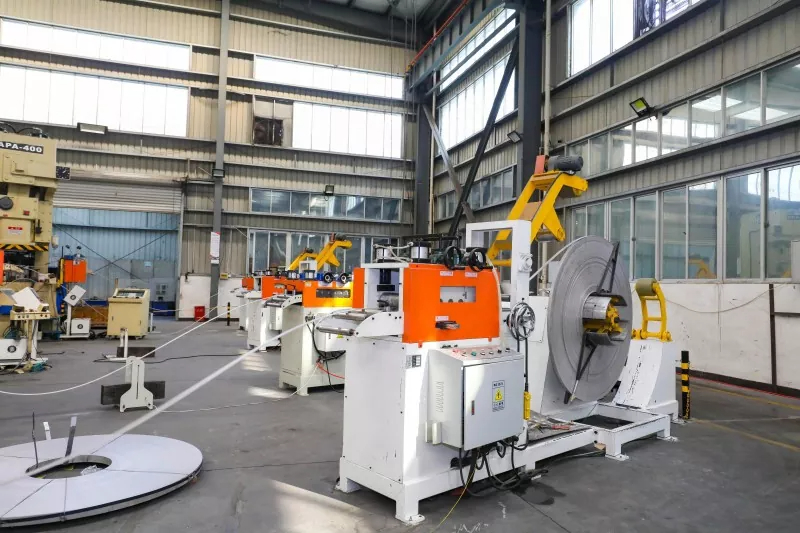
A factory visit is useful, but you can get a lot of the same signal by watching a live video walk-through instead of a pre-recorded tour. Ask the contact to start at the front gate, walk through the production floor, and pause at the specific machines or assembly stations for your product. If they hesitate or keep the camera angled away from certain areas, treat that as a red flag. You want to see raw material storage, finished goods inventory, and the packing line in one uninterrupted call.
Next, ask for documents that are hard to fake and easy to cross-check. A business license alone tells you almost nothing, so request recent utility bills, export records, or tax invoices that match the address and company name. Send samples to an independent lab or inspection agency in the same region, not one recommended by the factory. Call two or three past buyers whose names the factory gives you, and ask about late shipments, quality disputes, and how problems were handled. These steps cost a few hundred dollars, but they catch most factories that look good on paper and fail in practice.
Customization Requests That Actually Get Quoted Correctly
Most customization requests fail before they even reach the factory floor because buyers assume the supplier can read between the lines. Instead of saying "make it look premium," a request that actually gets quoted correctly includes a reference sample, a clear tolerance range, and a note about which details are non-negotiable. Suppliers aren't mind readers—they're pattern matchers, and the more precise your input, the more accurate their number will be.
Another overlooked trick is to ask what the supplier would change to cut costs without ruining the design. This flips the conversation from a blind quote into a collaborative tweak, and you often discover that a slightly thinner gauge or a standard thread size saves 15% without anyone noticing. When you frame customization as a shared problem rather than a one-way demand, the quote reflects real production logic instead of guesswork inflated with safety margin.
Finally, always attach a photo of a similar product you've seen elsewhere, even if it's not perfect. Visual anchors eliminate half the vocabulary battle—especially for finishes, edge treatments, or packaging details that words like "matte" or "soft-touch" can't pin down. A customization request that gets quoted correctly is never vague; it's a tight brief that leaves room for the supplier's expertise, not their imagination.
Pricing Traps and How to Avoid Them
Many businesses stumble into pricing traps by treating price as a simple markup on cost or a race to match competitors. The most common trap is anchoring too heavily on what rivals charge, leaving money on the table when your product delivers extra value. Frequent discounting is another pitfall: it trains buyers to wait for the next sale and erodes the perceived worth of your full-price offering. Avoiding these starts with a clear-eyed audit of your own value levers, not just the market's average.
A subtler trap is the cost-plus mindset that ignores customer psychology. If you only add a fixed margin to your expenses, you'll never capture the premium that comes from convenience, speed, or emotional payoff. Instead, segment your audience and test tiered pricing with a decoy option—a mid-priced package that makes the higher tier look like a bargain. Small experiments with anchor prices, such as showing an expensive premium plan next to your target plan, can shift conversion without changing the actual product.
Static pricing is a trap that quietly undermines profit over time. A price set once and never revisited will drift out of alignment as your costs, competitors, and customer expectations change. Schedule a quarterly review where you check price sensitivity, run A/B tests on new price points, and quietly raise prices for loyal segments that already see strong value. The goal isn't to trick buyers but to make sure your pricing reflects the real trade-off you offer, so you avoid leaving profit on the table or scaring away customers with random jumps.
Logistics From Port to Job Site: What Most First-Time Buyers Miss
Most first-time buyers fixate on the machine's sticker price and never think about what happens after the container is unloaded at the port. That's where the real costs and delays hide. Port storage fees start clocking almost immediately if your customs broker hasn't pre-filed every document, and a single missing certificate of origin or incorrect HS code can leave your equipment sitting on the dock for weeks. Then there's the drayage scramble: you need a trucking company that actually has chassis available for heavy cargo, not just any freight forwarder who promises a quote. Without a confirmed delivery appointment to the port terminal, your driver might burn a full day waiting in a queue outside the gate.
Overland trucking gets trickier than most newcomers expect. A standard flatbed often can't handle a 20-ton excavator unless it's reinforced, and if your job site has narrow access roads or low overhead lines, you'll need a route survey and possibly pilot cars. Each state or province has different axle weight limits and permit windows, so a load that's legal on the interstate can get you pulled over on a county road. Some buyers learn this the hard way when the truck arrives only to discover the machine is two inches too wide for the gate or the ground is too soft to support the unloading ramps. Planning that last mile—literally the final hundred meters—saves more money than negotiating an extra $500 off the purchase price.
Another overlooked piece is coordinating the receiving crew. You might assume the truck driver will help unload, but most carriers only deliver to the curb or nearest hard surface. If you don't have a forklift, a crane, or at least a properly rated loading dock waiting, the driver will either drop the machine in the wrong spot or charge standby time by the hour. Even simple things like having the site graded, removing tree branches, and confirming the ground can support the machine's weight get skipped. First-time buyers often end up paying for a second crane visit or renting a telehandler on short notice because nobody thought to check whether the lowboy trailer could actually turn around once it entered the property.
Signs a Supplier Will Still Answer Your Emails After the Invoice Is Paid
A supplier who stays reachable after payment often picks up the thread from before the invoice was settled. You might get a response that references a detail from your last exchange, like a note about your warehouse schedule or a question about how the latest batch performed. That kind of continuity is rare and signals the person on the other end isn't just clearing a queue.
Another practical tell is whether they volunteer information you didn't ask for. If they mention an upcoming price adjustment, a new production run, or a delay on a related order without being prompted, they're treating the relationship as ongoing. Most vendors disappear the moment the money lands; the ones who circle back with unsolicited updates are still invested in your next order.
Pay attention to the speed and tone of their replies after the invoice is marked paid. An automated thanks for your payment is meaningless, but a short, personal line like glad it arrived, I'll send the tracking by Thursday shows a human habit of keeping you informed. Suppliers who answer follow-up questions within a day or two, even when there's no outstanding balance, are the ones likely to respond six months from now.
FAQ
Focus on production capacity, coating technology, and export experience. Ask for samples from different production batches, not just one perfect piece. A reliable supplier will share details about wire diameter tolerances, zinc coating thickness, and PVC adhesion without hesitation.
Anping County in Hebei Province is the main hub, but there are also solid manufacturers in Jiangsu and Zhejiang. The key is not the region itself but whether the factory has modern welding machines and consistent galvanizing lines. Visiting or arranging a video tour helps.
Request ISO 9001 for quality management, and ask for test reports for hot-dip galvanizing or PVC coating. A strong sign is experience shipping to your target market, especially if they can provide references from buyers in similar climates or regulatory environments.
Many factories set MOQs around 500 to 1,000 rolls for standard sizes, but smaller trial orders are often possible if you pay a slight premium. For custom heights or gauges, expect higher MOQs because raw material switching costs matter.
Standard orders usually ship within 20 to 35 days after deposit, depending on factory backlog and coating type. Hot-dip galvanizing adds a few days compared to electro-galvanizing or PVC coating. Always confirm whether the quoted time includes loading and customs clearance.
Watch for uneven wire diameter, weak selvage knuckling, and thin zinc layers that rust quickly in humid conditions. Ask for a randomized coil inspection report, and if possible, have a third-party inspector check the wire tensile strength before shipment.
Yes, many Chinese manufacturers offer PVC-coated chain link in green, black, brown, and custom RAL colors. You can also request polyester powder coating for decorative projects. Just be sure the base wire is properly galvanized first, otherwise the coating will peel.
Common terms are 30% deposit with 70% before shipment, often via T/T. Some suppliers accept L/C for larger orders, but this usually raises the price slightly. Avoid paying the full balance before a pre-shipment inspection report is available.
Conclusion
Sourcing chain link fence from China usually starts with an overwhelming number of options, but the gap between a dependable manufacturer and a one-off trading broker shows up quickly. The ten suppliers covered here stand out because they control their own galvanizing lines and mesh weaving, which keeps coating thickness and wire diameter consistent across large orders. Instead of relying on polished websites, buyers should ask for live factory walkthroughs, request samples cut from the middle of a roll, and confirm that the mill certificates match the actual steel grade. Customization only works when the drawing spells out post spacing, terminal details, and selvage type; vague requests almost always lead to misquoted freight and rework.
Watch for pricing that initially seems low but jumps once you specify hot-dip galvanized after weaving or a heavier wire gauge. The more transparent factories quote by the kilogram of zinc and steel, not by a vague "per roll" figure. Shipping from Shanghai or Ningbo to a U.S. or European job site involves more than the ocean freight rate—drayage, customs bond, and final-mile delivery can add 15 to 25 percent. Finally, a supplier's behavior after deposit often reveals more than before. Those worth keeping answer technical emails within a couple of days, send loading photos without being asked, and accept a third-party inspection before final payment. The ten names in this guide have a track record of exactly that.
Contact Us
Contact Person: Nancy
Email: [email protected]
Tel/WhatsApp: +86-13365923720
Website: https://www.topfencesolar.com/