

Bulk Caster Wheels Manufacturer: Essential Guide to Quality Industrial Casters
2026-01-27
In the dynamic world of industrial equipment, the role of bulk caster wheels often goes unnoticed—yet they are the unsung heroes that keep operations moving smoothly. Whether you're navigating factory floors, warehouses, or heavy-duty applications, the quality of these casters can make or break productivity. That's why understanding what sets superior industrial casters apart is not just important; it's essential for any business looking to optimize efficiency and durability. At CMCL, we recognize that every detail matters when it comes to manufacturing casters that withstand the toughest challenges. As a leading bulk caster wheels manufacturer, we've distilled years of expertise into this essential guide, designed to help you navigate the complexities of caster selection. From load capacities to material innovations, we'll uncover the key factors that define quality and reliability in industrial casters—and how choosing the right partner can transform your operations. So, whether you're a seasoned professional or new to the field, join us as we explore the fundamentals that drive performance. Get ready to discover insights that could revolutionize your approach to mobility solutions, and see why investing in quality casters is an investment in your business's future.
Discovering the Core Features of Premium Bulk Caster Wheels
When you're in the market for caster wheels for bulk applications, it's essential to delve into what sets premium options apart. Unlike standard wheels that might falter under heavy loads, premium bulk caster wheels are engineered with robust materials like polyurethane or reinforced nylon, designed to withstand intense pressure without cracking or deforming. Many users appreciate how these wheels often feature precision ball bearings, which ensure smooth rolling and reduce friction, leading to less wear and tear over time. This not only enhances mobility for carts or equipment moving large quantities but also translates to fewer replacements and lower long-term costs.
Another standout feature is the durability in various environments. Premium bulk caster wheels frequently come with specialized treads or coatings that resist chemicals, oils, and extreme temperatures, making them ideal for warehouses, factories, or outdoor settings. For instance, some models include sealed bearings that keep out dust and debris, maintaining performance even in harsh conditions. This adaptability means they can handle diverse tasks without compromising on reliability, giving operators peace of mind during demanding operations.
Beyond just material and construction, these wheels often incorporate thoughtful design elements like ergonomic swivel mechanisms or easy-to-install mounting plates. In practice, this can make a significant difference in maneuverability and setup time, especially when dealing with bulky or awkward loads. Real-world feedback from industries like logistics and manufacturing highlights how such features contribute to smoother workflows and increased productivity, showcasing why investing in premium bulk caster wheels is more than just an upgrade—it's a strategic move for operational efficiency.
Navigating Material Choices for Durable Industrial Casters
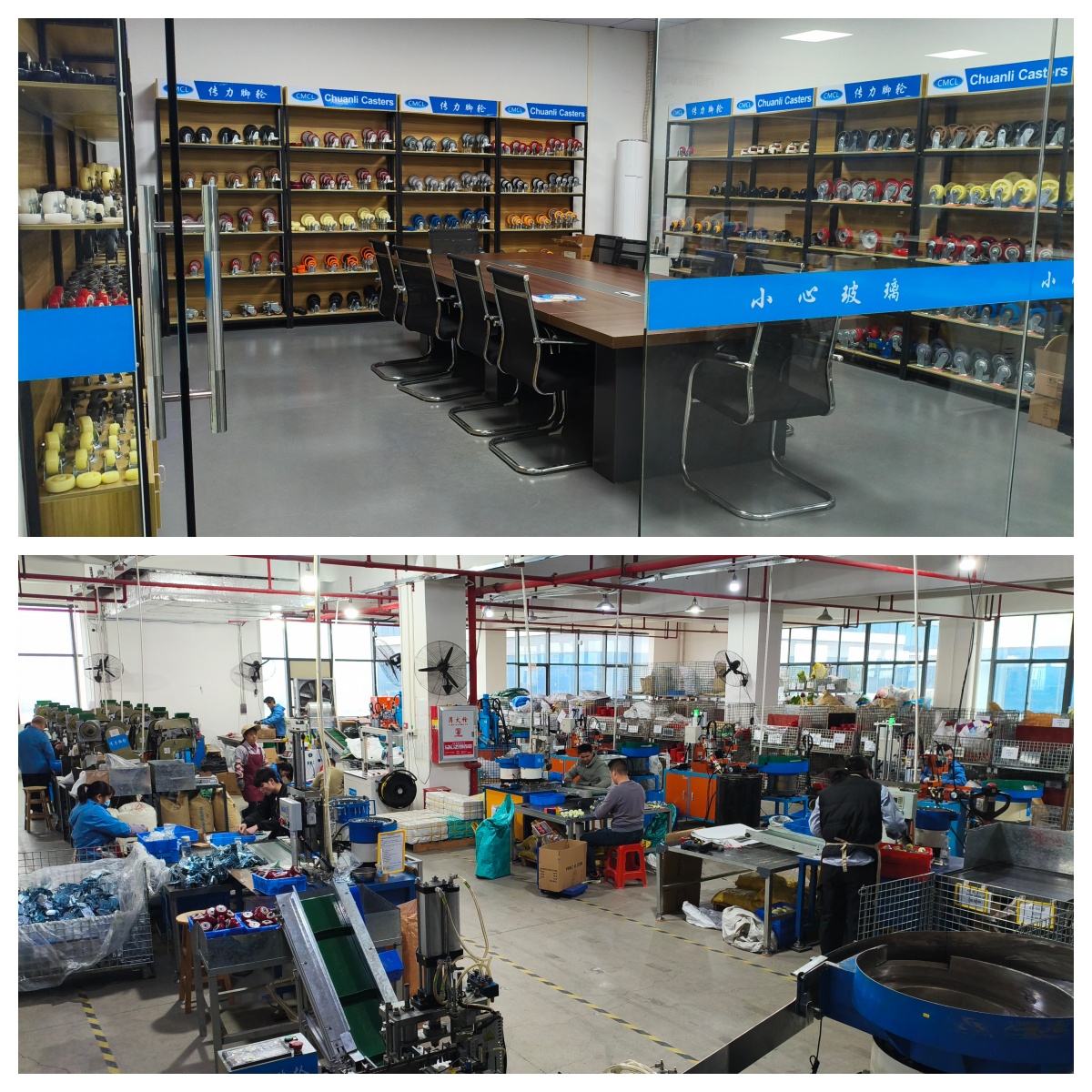
When selecting materials for industrial casters, the journey often begins with a deep dive into the specific demands of your application environment. Durable casters aren't just about brute strength; they're about finding materials that can withstand unique stressors like chemical exposure, extreme temperatures, or high loads over time. For instance, in a warehouse where heavy equipment is constantly moved, casters made from materials like polyurethane or forged steel might be favored for their superior load-bearing capacity and shock absorption. But in settings like food processing plants, stainless steel becomes a go-to due to its resistance to corrosion and ease of cleaning, ensuring both longevity and hygiene compliance.
A critical aspect is understanding how material properties interact with the floor surfaces and operational requirements. Hard materials like cast iron may excel on smooth concrete floors, offering durability under heavy loads, but on delicate surfaces like polished wood or tiles, softer materials such as polyurethane can prevent damage while still providing adequate support. It's this nuanced balancing act—weighing factors like noise reduction, vibration dampening, and rolling resistance—that transforms a simple caster choice into a strategic decision for optimizing workplace safety and efficiency. Customizing materials based on these variables can significantly reduce maintenance costs and enhance the overall lifespan of the equipment.
To stand out in the market, focus on innovative material blends and advanced engineering. Recent trends include the use of thermoplastic elastomers that combine flexibility with high durability, or incorporating reinforced composites for lightweight yet robust applications. By exploring these options, you can create casters that not only meet basic durability standards but also adapt to evolving industrial challenges, offering a competitive edge. This holistic approach ensures your selection process is both forward-thinking and tailored to real-world demands, leading to more reliable and long-lasting industrial mobility solutions.
Understanding Load Capacity and Performance in Heavy-Duty Applications
In heavy-duty applications, load capacity refers to the maximum weight or force a system can handle without compromising its structural integrity or operational reliability. This isn't just about raw numbers; it's about ensuring that every component, from bearings to frames, is designed to withstand constant stress and variable conditions. For instance, in construction equipment like cranes, load capacity dictates not only lifting limits but also the safety margins that prevent catastrophic failures during unexpected shifts or environmental factors like wind. Engineers meticulously calculate these capacities, factoring in material properties, fatigue resistance, and real-world usage scenarios to create robust systems that perform consistently under pressure.
Performance in these contexts goes beyond mere strength—it encompasses efficiency, durability, and adaptability under demanding loads. Think of industrial machinery in mining or logistics: high performance means minimal downtime, smooth operation at peak loads, and resilience against wear and tear. It's the difference between a machine that merely functions and one that excels, delivering power without excessive energy consumption or maintenance needs. By integrating advanced materials like high-grade alloys and smart monitoring systems, modern heavy-duty applications achieve a balance where load capacity supports sustained performance, ensuring long-term productivity without sacrificing safety or cost-effectiveness.
To truly grasp this interplay, consider how load capacity and performance align in custom solutions tailored to specific industries. In aerospace or marine sectors, for example, every increase in load might require reevaluating performance metrics like speed or fuel efficiency. This synergy is key to innovation, driving designs that push boundaries while maintaining reliability. By focusing on real-world testing and user feedback, developers can refine these aspects, creating systems that not only meet but exceed expectations in the toughest environments.
Exploring Innovative Designs for Enhanced Mobility and Efficiency
In an era where urban spaces grow denser and global connectivity demands quicker solutions, innovative designs are revolutionizing how we navigate and operate. By integrating smart materials and data-driven systems, these advancements are not merely incremental improvements but transformative shifts that prioritize seamless movement and resource optimization. From modular electric vehicles that adapt to varying city layouts to AI-powered logistics networks that minimize wait times, the focus is on creating agile, responsive environments where mobility becomes almost effortless and efficiency is maximized without sacrificing sustainability.
Take, for instance, the emergence of foldable bike-sharing fleets and drone-based delivery mechanisms, which exemplify how design thinking can tackle real-world congestion and accessibility issues. These solutions leverage lightweight, durable components and real-time analytics to anticipate user needs, reducing energy consumption and enhancing overall system performance. By blending aesthetics with functionality, such designs inspire communities to adopt more fluid lifestyles, fostering a culture where innovation directly translates to everyday convenience and reduced environmental impact.
Ultimately, the pursuit of enhanced mobility and efficiency through innovative designs is about crafting interconnected ecosystems that adapt to human behavior and global challenges. Whether through hyperloop prototypes that shrink travel distances or smart city grids that optimize traffic flow, the goal is to build resilient, forward-thinking infrastructures. As we continue to prototype and iterate, these designs promise not just faster commutes or lower costs, but a reimagined world where movement is intuitive, resources are wisely allocated, and progress feels personal and immediate.
Selecting the Right Caster Wheels Based on Industry-Specific Needs
Choosing the right caster wheels isn't just about picking a size or material; it's about understanding the unique demands of your industry. In harsh environments like manufacturing plants, where floors are often oily or covered in debris, heavy-duty nylon or polyurethane wheels might be ideal because they resist chemicals and won't mark surfaces. For healthcare settings, quiet and non-marking wheels are crucial to maintain a sterile, peaceful atmosphere, while food processing facilities may require FDA-approved, easy-to-clean options. By tailoring your selection to these specific needs, you ensure efficiency and safety without compromising on performance.
In industries like hospitality or retail, aesthetics and noise reduction take precedence. Rubber or soft-tread wheels can glide smoothly across carpets and tile, minimizing disturbance for guests or customers. Conversely, warehouses dealing with heavy loads might prioritize steel or forged iron wheels for durability, even if they're noisier. It's all about balancing function with environmental considerations—ensuring caster wheels don't just move things around but enhance the overall workflow. A mismatched choice could lead to unnecessary wear, safety hazards, or inefficiencies that disrupt daily operations.
To avoid common pitfalls, consider factors like load capacity, wheel diameter, and temperature resistance. For instance, outdoor or construction industries need wheels that withstand extreme weather, while laboratories might require anti-static properties. Consulting with experts or reviewing case studies from similar sectors can provide insights beyond basic specifications. Ultimately, investing time in this selection process pays off by reducing maintenance costs and extending equipment life, making it a smart move for any business aiming to optimize its operations based on specific industry needs.
Ensuring Longevity and Maintenance Tips for Industrial Caster Systems
Maintaining industrial caster systems isn't just about routine checks; it's about adopting a proactive mindset that anticipates wear and tear before it leads to costly breakdowns. Many facilities rely on these systems for daily material handling, and a sudden failure can disrupt entire production lines. By integrating regular inspections into your operational schedules, you can catch minor issues like loose bolts or slight wheel misalignment early on. This approach not only extends the lifespan of the casters but also enhances workplace safety, reducing the risk of accidents caused by malfunctioning equipment. Remember, consistency is key—make these inspections a non-negotiable part of your maintenance protocol.
Another crucial aspect often overlooked is the environment in which the casters operate. Industrial settings vary widely, from dusty warehouses to chemical-laden floors, and each condition demands specific care. For instance, in corrosive environments, choosing casters made from resistant materials like stainless steel or polyurethane can prevent premature degradation. Additionally, cleaning debris from wheels and swivel mechanisms regularly prevents buildup that can impede movement or cause uneven wear. Tailoring your maintenance strategy to the unique challenges of your facility ensures that your caster systems perform optimally under any circumstance, avoiding generic solutions that might fall short.
Beyond immediate fixes, long-term longevity hinges on proper load management and training. Overloading casters beyond their rated capacity is a common mistake that accelerates wear and can lead to catastrophic failures. Educate your team on weight limits and the importance of distributing loads evenly. Investing in high-quality lubricants for moving parts and scheduling periodic deep cleans can also make a significant difference. In essence, think of industrial caster maintenance as an investment in efficiency; a well-maintained system not only lasts longer but also operates smoother, saving time and money in the long run while keeping your operations running seamlessly.
FAQ
Common materials include polyurethane, rubber, nylon, and steel, each chosen based on durability, load capacity, and environmental factors like moisture or heat.
Calculate the total weight of the equipment, add a safety margin of 20-30%, and consider factors like uneven floors or frequent movement to select casters with adequate capacity.
Look for features such as precision ball bearings, robust swivel mechanisms, corrosion-resistant finishes, and wheels designed to minimize floor damage and noise.
Larger diameters reduce rolling resistance, making movement easier on uneven surfaces, while smaller ones offer better maneuverability in tight spaces.
Regularly clean wheels to remove debris, lubricate bearings periodically, check for wear or damage, and avoid overloading to ensure optimal performance and longevity.
They enhance efficiency by allowing easy equipment relocation, reduce worker strain, improve safety with stable movement, and can be customized for specific environments like high-heat areas.
Consider factors such as temperature extremes, chemical exposure, and floor type; for example, use heat-resistant materials in foundries or non-marking wheels on delicate surfaces.
Conclusion
As a premier manufacturer of bulk caster wheels, we emphasize the critical features that distinguish high-quality industrial casters, including durable materials and robust load capacity. Our focus on innovation drives designs that enhance mobility and efficiency, tailored to meet industry-specific demands. By integrating these elements, we ensure our casters deliver superior performance in heavy-duty applications, providing reliable solutions for diverse industrial environments.
To guarantee longevity, we offer expert maintenance tips and emphasize selecting the right caster wheels based on precise needs, such as material choices that withstand harsh conditions. Our guide serves as an essential resource for optimizing industrial movement, helping businesses achieve seamless operations through enhanced durability and efficiency. This comprehensive approach ensures that our products stand out by combining cutting-edge technology with practical insights for sustained success.
Contact Us
Contact Person: Ruby
Email: [email protected]
Tel/WhatsApp: +86 13360379367
Website: https://www.cmcl-casters.com