

Best Sprockets: A Comprehensive Guide to Choosing the Right Set
2026-08-13
Choosing the right sprocket set can feel like navigating a maze of tooth counts, pitch sizes, and material grades—one wrong pick and your drive system pays the price in wear, noise, or outright failure. This guide cuts through the clutter, breaking down what actually matters when comparing options. Whether you're chasing smoother power transfer, longer service life, or a setup that handles harsh conditions without breaking a sweat, we've got you covered. And if you're looking for a brand that pairs precision engineering with field-tested durability, Raydafon offers sprocket solutions built to keep your equipment running at its best. Read on to discover how to match the right set to your exact needs—without the usual guesswork.
Reading the Signs of a Worn-Out Sprocket
A worn-out sprocket rarely fails without warning. Look closely at the tooth profile: instead of a symmetrical, slightly rounded tip, you'll see a hooked or shark-fin shape where the drive side has been scooped out. That asymmetry means the chain rollers are no longer seating properly, which accelerates wear on both components. You might also notice shiny patches near the base of the teeth or fine metal dust collecting around the hub—both are quiet indicators that the hardened surface has given way.
Beyond visual cues, a tired sprocket often announces itself through noise and feel. A rhythmic clicking or growling under load, especially when pedaling or accelerating, suggests the chain is struggling to climb onto the teeth. Chain slack can also fluctuate as you rotate the wheel; if the tight spot keeps moving or you can lift the chain away from the sprocket along a significant arc, the pitch has worn past its useful limit. In advanced cases, the teeth may appear needle-thin or rounded to nubs, which means replacement is no longer optional.
Steel vs. Aluminum: What Actually Lasts
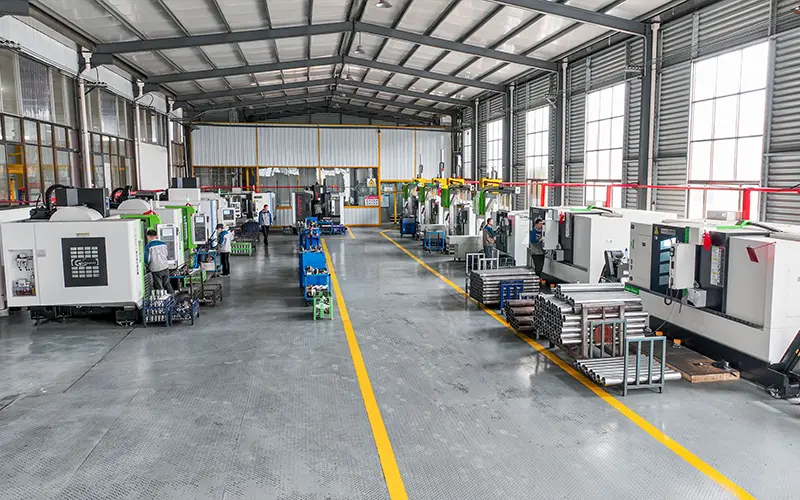
Ask a cyclist or a bridge engineer about longevity and you will get two different answers, because steel and aluminum fail in completely different ways. Steel has a clear fatigue limit: keep cyclic stress below a certain threshold and it can survive almost indefinitely. Aluminum does not offer that same luxury. It accumulates damage from repeated loading at any stress level, so an aluminum frame that feels fine for years can crack suddenly after enough flex cycles. That is why airplanes with aluminum skins are inspected on strict schedules, while a well-maintained steel bridge from the 1930s may still be carrying traffic.
Then there is the environment. Bare steel rusts when moisture and oxygen show up, and once rust starts, it can creep under coatings and lift them off. Aluminum, on the other hand, forms a thin oxide layer almost immediately that shields the metal underneath. But that shield is not invincible: road salt, coastal air, or contact with dissimilar metals can trigger pitting and galvanic corrosion. In marine settings, untreated steel might last a decade, while quality marine-grade aluminum can keep going for thirty years or more if the design avoids trapped water and electrical contact with stainless fasteners.
Ultimately, what actually lasts depends less on the metal itself and more on how it is used and protected. A powder-coated steel frame on a dry, indoor machine can outlive an anodized aluminum part exposed to salt spray. But in many consumer products, aluminum's self-healing oxide layer gives it a real advantage in everyday scratches and dings, while steel needs paint or galvanizing to stay intact. The honest answer is not that one is always better. Steel lasts when loads are high and maintenance is steady, and aluminum lasts when corrosion resistance matters more than infinite fatigue life.
Tooth Count and the Gearing Sweet Spot
Tooth count isn't just about top speed; it's about finding a range where you're not constantly hunting for the right gear. A 50-tooth chainring paired with an 11-28 cassette feels very different from a 46/30 with an 11-34, even if the total range overlaps.
The sweet spot emerges when the jumps between adjacent cogs stay small enough to keep cadence smooth, but not so small that you're double-shifting for every minor incline. Many riders overlook chainring difference; a 16-tooth gap between rings forces a bigger rear shift to compensate, while a 10-tooth gap makes front shifts almost seamless but reduces total range.
Pay attention to how often you actually use the extreme combinations. If you're routinely in the big-big or small-small, you're losing efficiency and accelerating wear. Adjusting tooth counts so your most-used cruising gears sit in the middle of the cassette, with the chainline relatively straight, often yields a quieter, longer-lasting drivetrain and a more natural riding rhythm.
How Your Riding Style Shapes Sprocket Choice
Your riding style is the single biggest factor in sprocket selection, yet it's often overlooked in favor of raw specs. A commuter who spends hours in stop-and-go traffic needs a setup that favors smooth low-speed control and minimal chain wear, while a track-day enthusiast chasing lap times wants aggressive acceleration and precise gear changes. The wrong choice leads to frustrating rides—either the bike feels sluggish off the line or screams at highway speeds, burning through fuel and patience.
Think about where you actually ride, not where you imagine riding. If your weekends involve tight canyon switchbacks, a larger rear sprocket shortens the gearing, giving you instant throttle response and stronger engine braking into corners. But that same setup on a long-distance tourer will have you constantly hunting for a seventh gear, with the engine buzzing annoyingly at 75 mph. Conversely, a smaller rear sprocket lowers cruising RPMs and improves fuel economy, but it dulls acceleration and forces more clutch slipping in urban traffic.
The best approach is to match the sprocket not to the bike's marketing brochure, but to your own throttle hand. Riders who roll on gently and prize comfort over quickness should lean toward taller gearing, while those who treat every green light as a launch control test will benefit from shorter ratios. Pay attention to how often you shift during a typical ride—if you're constantly rowing through the gearbox just to keep the engine in its powerband, your sprockets are fighting your style instead of working with it.
The Real Price of Budget Sprockets
A budget sprocket rarely saves money once it's bolted onto a bike. The initial price looks tempting, sometimes forty percent less than a mid-range option, but the alloy is softer and the teeth lose their profile after a few hundred miles. That wear forces the chain to stretch unevenly, which then eats into the rear sprocket and chainring. You end up replacing the entire drivetrain months earlier than you would with a properly hardened steel set.
The real cost also shows up in ride quality. Cheap sprockets often have slightly off-dimension tooth spacing or a rough surface finish that adds vibration and noise. Riders mistake it for an old chain or worn bearings, chasing fixes that never solve the root issue. In wet or gritty conditions, a low-grade sprocket rusts faster, and the corrosion accelerates wear on the chain rollers. That extra friction means more pedaling effort or higher fuel consumption, depending on the machine.
Then there's the labor and downtime. Fitting a budget sprocket means you'll be back under the bike sooner, pulling the wheel and realigning the rear axle. If a snapped tooth leaves you stranded, the tow or trailside repair can easily wipe out any upfront savings. Spending a bit more on a forged or heat-treated sprocket from a known supplier usually keeps the whole final drive quieter and alive longer, which is what actually lowers cost per mile.
Compatibility Checks That Save You Time
Compatibility checks don't have to mean reading through endless spec sheets. A quick scan of operating system versions, browser support, and hardware requirements can flag issues before they become blockers. When you catch a mismatch early, you skip the frustrating cycle of install, fail, troubleshoot, repeat.
The real time-saver is making these checks part of your routine instead of an afterthought. For example, verifying that a new plugin works with your current software version takes less than a minute, but it prevents hours of debugging a broken system later. A short checklist beats a long recovery.
You can also use lightweight tools that automatically compare dependencies and flag known conflicts. They don't replace human judgment, but they cut the guesswork. If a tool says a combination is untested, that's your cue to either isolate the change or schedule a backup first.
FAQ
Look closely at the tooth shape. A fresh sprocket has symmetrical teeth with a slight flat or rounded top. Once they start hooking or looking like a wave ready to break, they're done. If you can see daylight between the chain roller and the valley between teeth, or if the chain can be lifted off the rear sprocket at the 3 o'clock position, replace it. Grime can hide wear, so clean the teeth before judging.
Not necessarily, but it depends on how you ride. A hard-anodized aluminum rear sprocket saves unsprung weight and looks great, but it won't last as long as steel under hard acceleration or in gritty conditions. For a daily commuter that sees rain, steel is the low-maintenance choice. If you want a bit more snap and don't mind replacing the rear sprocket more often, aluminum is fine. Keep the front sprocket steel regardless—it wears faster due to higher RPM.
Going up a few teeth in the rear shortens the final drive, so the bike pulls harder out of corners but revs higher on the highway. Dropping teeth does the opposite. A common change is adding 2-3 teeth on a sportbike for quicker launches without totally ruining highway comfort. One tooth change on the front sprocket is roughly equivalent to 2.5-3 teeth on the rear, so smaller adjustments are easier with the rear.
Yes, unless the chain is nearly new and a sprocket failed early. Worn chain rollers stretch pitch and wear sprocket teeth into a matching pattern. Mixing old and new parts accelerates wear and can lead to uneven load. If your chain has tight links or has stretched past the wear limit, swap the entire set. Trying to save money by reusing a worn chain with fresh sprockets usually costs more within a few thousand miles.
Pitch is the distance between chain pins divided by two, so a 520 chain has a 5/8-inch pitch. The sprocket must match the chain's pitch and width. Don't guess based on tooth count alone. Look for the stamped number on the old sprocket or measure the chain if it's unmarked. Running a 525 sprocket with a 520 chain will cause rapid wear and possible failure. If you're upgrading, you can change pitch intentionally, but then you need matching chain and both sprockets.
Some budget kits are surprisingly decent, especially steel ones from known manufacturers. The real risk is unbranded aluminum or oddly hardened steel that wears unevenly. OEM is safe but often priced higher without offering a weight advantage. A middle path is to buy a steel rear from a reputable aftermarket brand and an OEM or quality aftermarket front. Check machining marks and tooth finish before install—rough edges are a bad sign.
If you have a rear stand, a torque wrench, and some patience, a sprocket and chain swap is doable in an afternoon. The front sprocket nut can be stubborn—often needs a breaker bar or impact wrench. You'll also need a chain breaker or rivet tool if you're replacing the chain. If you don't have those specialty tools, a shop's labor cost is reasonable. Just be sure to align the rear wheel properly and torque everything to spec.
They shave a little rotating and unsprung mass, which can make suspension and acceleration feel slightly livelier, but the effect is small on a street bike. The cutouts also help clear mud and reduce weight. However, aggressive cutouts can reduce long-term fatigue life if the design isn't well supported. For a race or track bike, a quality lightweight sprocket makes sense. For touring or commuting, a solid steel sprocket's durability usually wins.
Conclusion
Sprocket wear rarely announces itself with a bang—it shows up as hooked teeth, a chain that no longer sits snug, or a faint whine under load. If you catch those signs early, you avoid wrecking a new chain on a tired rear cog. Steel and aluminum both have their place, but the idea that aluminum is always the lightest and therefore best falls apart quickly if you ride in grit or put down hard miles. Steel may weigh a bit more, yet it shrugs off abrasion far longer. Budget sprockets look tempting until you factor in how fast soft metal rounds off, forcing you to replace chain and sprocket together. A few extra dollars up front often means fewer roadside fixes.
Tooth count is where things get personal. Dropping a tooth up front or adding a couple out back shifts acceleration and cruising rpm noticeably, and the sweet spot depends on whether you spend more time climbing, commuting, or chasing top speed. Your riding style dictates material and ratio more than any spec sheet. And before you click buy, a quick compatibility check—bolt pattern, chain width, and hub fit—saves returns and spacer headaches. The best set isn't the one with the most marketing behind it; it's the one that matches how you actually ride, holds up under your conditions, and doesn't demand a mechanic's invoice every other month.
Contact Us
Contact Person: Mr. Shen
Email: [email protected]
Tel/WhatsApp: +86-574-87168065
Website: https://www.transmissions-china.com/