

Best Running Socks for Comfort, Cushioning, and Blister-Free Miles
2026-11-16
Every runner knows the misery of a hot spot turning into a blister mid-run. The right socks—those offering plush cushioning, breathable comfort, and a friction-free fit—can make or break your miles. That's where Mingjun steps in, crafting performance socks engineered to keep your feet cool, dry, and blister-free from the first stride to the last.
Why Your Toes Don’t Have to Suffer on Long Runs
A lot of runners treat sore, bruised toes as a badge of long-distance honor, but that misery is optional. The real issue usually isn't the miles themselves—it's how your foot sits inside the shoe. When your toes get a little breathing room and your socks stay dry, most of the burning and pinching fades before it starts.
Start by checking the fit at the front of your shoes. You want roughly a thumb's width beyond your longest toe, and no squeezing across the ball of the foot. Materials matter too: choose socks that pull sweat away from the skin, since damp cotton creates the friction that turns into blisters and raw spots.
Lacing can also change everything. Try a heel-lock pattern to stop your foot from sliding forward on downhills, which is a common toe-crushing culprit. Keep nails short and file down any sharp corners, and if a particular toe still rubs, wrap it with a little tape before heading out. Long runs should tire your legs, not wreck your toes.
The Cushioning Sweet Spot Most Runners Overlook
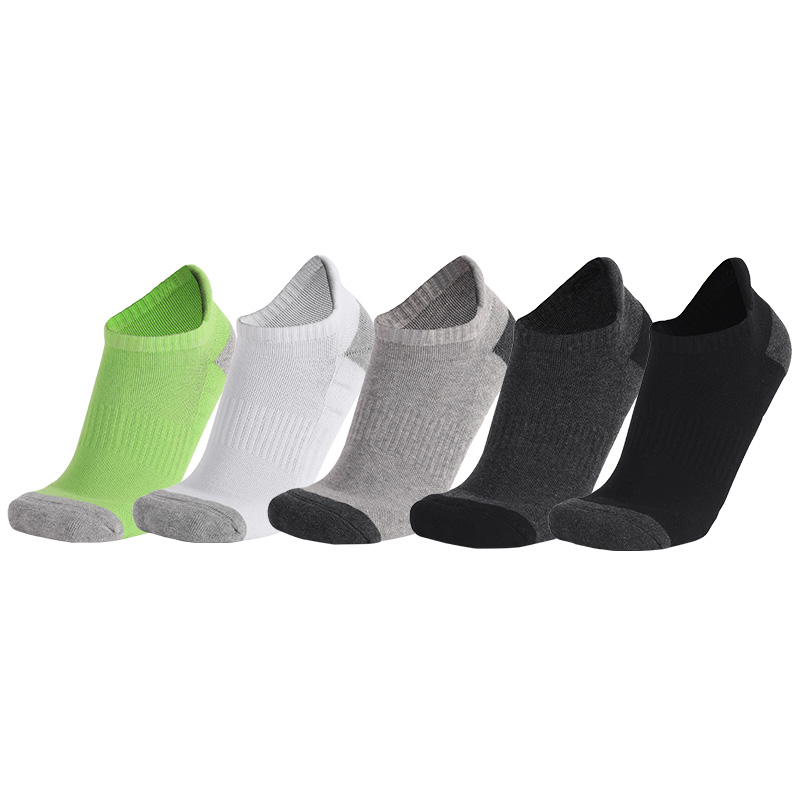
Ask a dozen runners what they want from a shoe and most will say “more cushioning.” It sounds logical—softer landings mean happier joints. But chase that idea too far and you end up with a midsole so plush it swallows your stride, forcing your ankles and knees to work overtime just to find stability. The real goal isn't maximum softness; it's a balance point where impact disappears but the ground never goes silent.
That balance shows up as a subtle, almost springy resistance underfoot. You shouldn't feel the pavement slapping back at you, yet you should still sense the road's texture through the foam. When you find it, your cadence feels effortless, your foot lands quietly, and you stop thinking about your shoes altogether. It's the difference between running on a mattress and running on a tuned track surface—one coddles you into inefficiency, the other quietly returns energy without demanding extra muscle engagement.
Most runners only discover this after bouncing between extremes: a maximalist shoe that leaves their calves screaming after five miles, or a racing flat that beats up their heels on long runs. The sweet spot varies by body weight, foot strike, and surface, so there's no single model that works for everyone. Instead of chasing reviews or stack heights, pay attention to how your legs feel at mile six versus mile one. If fatigue creeps in from fighting the shoe rather than the distance, you've missed the mark—and a small adjustment in foam density or drop can bring it back.
Seamless Knits That Stop Blisters Before They Start
The first thing you'll notice about seamless knits is what's missing: the bulky seams that typically rub against your heel or toes. By knitting the entire sock or sleeve as a single, continuous piece, these designs eliminate the hard ridges that cause hot spots. Instead of a row of stitching digging into your skin, the fabric glides smoothly over every contour, which means friction never gets a chance to build up.
But construction is only half the story. The yarn blends used in seamless knits often include moisture-wicking fibers that pull sweat away from the surface of your foot. Trapped moisture softens skin and makes it far more prone to tearing, so keeping things dry is a critical second layer of defense. Many seamless designs also add targeted cushioning zones that absorb impact without adding bulk, so you get protection exactly where you need it most.
For anyone who spends long hours on their feet—whether hiking, running, or just working a double shift—the difference becomes obvious within the first few minutes. There's no breaking-in period, no awkward ridge pressing into your pinky toe, and no end-of-day sting when you peel off your shoes. That gentle, friction-free feel isn't a luxury; it's how every pair of socks should have been made from the start.
Sweat Control That Goes Beyond Basic Polyester
Basic polyester pulls moisture away from skin but often traps it in the fabric once activity stops. Real sweat control comes from altering the yarn itself—using irregular cross-sections and micro-channels that spread moisture over a wider surface so it evaporates before it can pool.
Some fabrics go further by blending polyester with cellulosic fibers or embedding cooling minerals into the polymer. This isn't about adding a quick chemical finish that washes out; the structure itself moves sweat outward and speeds up drying, leaving you less clammy during rest periods.
The result feels different too. Instead of that stiff, plasticky cling you get from standard poly after a hard session, these fabrics stay softer, dry with fewer odor traps, and keep working after dozens of washes. That's what separates a basic synthetic from one actually built for sweat.
Thickness Isn’t Everything—Density Is
A thick slab of material can feel reassuringly solid, but that bulk often hides a lack of real substance. What truly matters is how tightly packed the fibers or particles are within a given space. A dense, thinner layer can outperform a thicker, airier one in durability, insulation, or soundproofing simply because there's more actual material doing the work. It's the difference between a fluffy comforter and a tightly woven wool blanket—the latter is thinner but far more effective at trapping heat.
Take flooring as an example. Two boards may look identical in profile, yet the denser one will resist dents and scratches far better over time. The same principle applies to foam padding, acoustic panels, even food—think of a heavy, compact loaf of bread versus a light, airy one. Density is the hidden variable that determines how something performs under pressure, how long it lasts, and whether it truly delivers on its promise.
Next time you're comparing products, don't be swayed by sheer thickness alone. Pick up the item, feel its weight relative to its size, and ask about the material's density rating if available. A slimmer, denser choice often saves space without sacrificing quality, and it can be the smarter long-term investment.
Socks That Survive Race Season Without Losing Their Grip
It’s easy to overlook socks until a seam slips under your arch at mile twelve. These ones don’t do that. The cuff holds its place through hard cornering and wet grass, and the heel pocket doesn’t slouch into your shoe after a few hours of sweat and grime. Even after repeated wear between washes, the elastic stays lively without cutting into your calf.
The grip comes from two things: a midfoot band that anchors the fabric to your foot, and a silicone dot pattern on the inside of the heel that keeps everything locked without feeling sticky. Unlike grippy socks that turn into sandpaper after one laundry cycle, this one keeps its texture and still slides on easily. It’s the kind of sock you forget you’re wearing until you realize you haven’t adjusted it once during a long gravel race.
Race season is a test of patience and equipment. Any sock that can go from spring crits to autumn cyclocross without losing its shape or slipping down is worth keeping in the drawer. The toe seam is flat enough not to bite, and the yarn blend doesn’t thin out at the ball of the foot after a summer of hard efforts. If you’re tired of pulling up your socks mid-run, this one ends that ritual.
FAQ
Look for targeted cushioning in high-impact zones and a snug but not tight fit that doesn't bunch or slide. Merino wool blends help keep feet dry, which reduces friction and hot spots over many miles.
Not necessarily. Extra bulk can change how your shoes fit and cause pressure points. A sock with dense cushioning under the forefoot and heel gives protection without adding too much volume.
Moisture management matters more than most runners think. Choose socks with hydrophobic fibers that wick sweat away from the skin, and avoid cotton. A secure heel pocket and seamless toe box also reduce rubbing.
Yes, but they're not a magic fix. Light compression can support blood flow, but fit and fabric matter more for comfort. If you like the feel, rotate them with regular cushioned socks.
Merino wool, nylon, and elastane blends work well. Wool regulates temperature and resists odor, nylon adds durability, and elastane keeps the sock from sagging. Stay away from 100% cotton.
When the fabric thins or loses its stretch, it's time. Most serious runners swap them after 300 to 500 miles, but if you notice more blisters or the heel slips, replace sooner.
They can if they slip down into the shoe. Look for no-show styles with a silicone grip tab at the heel and a deeper heel pocket. They should stay put without digging into your Achilles.
Yes. Summer socks use lighter, more breathable knits, while winter versions add merino wool or thicker terry loops. Your shoe fit may change with thicker socks, so consider a half-size up.
Conclusion
Long-run toe pain gets blamed on shoes far too often, but your socks are usually the silent culprit. A toe seam that sits even a millimeter wrong turns into a hot spot by mile eight. The best running socks solve this with a roomier toe box and flat or hand-linked seaming, so your toes never rub against a ridge. Then there's cushioning: most runners think thicker equals softer, but the real sweet spot is targeted density. Extra bulk under the heel and ball of the foot absorbs impact without making the midfoot feel sloppy. Dense terry loops in high-wear zones give that plush feel while keeping the arch snug and breathable. If you've ever finished a long run with numb toes despite wearing "cushioned" socks, the problem wasn't too little padding—it was padding in the wrong places.
Blisters, though, are almost always a friction problem. Seamless knit constructions eliminate the biggest friction point, but they need a partner in moisture control. Basic polyester wicks sweat away, yet it often leaves feet clammy because it doesn't manage vapor well. Look for blends that pair merino wool or Tencel with nylon and a touch of elastane; these pull moisture off the skin, dry fast, and keep their shape mile after mile. On that note, density matters more than thickness. A tightly knit, midweight sock with graduated compression around the arch and ankle will feel more secure and last longer than a fluffy, loosely spun pair. The best socks hold their elasticity through dozens of washes and race-season abuse, with ribbed cuffs that don't sag and heel tabs that stay put. Your feet shouldn't be the thing that ends your run early.
Contact Us
Contact Person: Tiga
Email: [email protected]
Tel/WhatsApp: 8613058331729
Website: https://www.china-socksfactory.com/