

Best Mesoporous Silica: Unlocking Its Potential for Advanced Applications
2026-06-03
Mesoporous silica has emerged as a game-changer in advanced material science, thanks to its tunable pores and high surface area. Yet, not all mesoporous silica is created equal. From drug delivery to catalysis, the quest for the best mesoporous silica is driving innovation across industries. At the forefront of this evolution is Zhonglian, pioneering tailored solutions that unlock the full potential of this remarkable material. Dive into what sets elite mesoporous silica apart—and how it's reshaping tomorrow's technologies.
Why Mesoporous Silica Stands Out in Material Science
Mesoporous silica has quietly become a cornerstone in material science, not by chance but through a combination of structural precision and chemical adaptability. Its defining feature is an ordered network of pores with diameters between 2 and 50 nanometers—large enough to host molecules yet small enough to create immense internal surface areas that often exceed 1,000 square meters per gram. This porous architecture, when paired with a robust silica framework, gives it stability under thermal and mechanical stress that many organic or hybrid materials struggle to match. Unlike bulk silica, this material doesn’t just sit inert; its pores can be shaped during synthesis into spheres, rods, or even complex hierarchical patterns, allowing researchers to tailor the material to a specific task from the ground up.
What truly sets mesoporous silica apart is how effortlessly it can be modified. The surface is lined with silanol groups that act as anchoring points for a vast range of functional molecules—polymers, catalysts, fluorescent dyes, or targeting ligands. Grafting these groups onto the pore walls transforms a passive scaffold into an active participant in chemical processes. For instance, by tuning the pore size and attaching pH-sensitive linkers, one can design a carrier that releases a payload only in the acidic environment of a tumor, leaving healthy tissue unharmed. This level of control isn’t limited to biology; the same principles enable selective catalysis in industrial reactions, where the pores sieve reactants by size while catalytic sites do the heavy lifting. It’s the marriage of physical order and chemical flexibility that makes the material so hard to replace.
Beyond the lab, mesoporous silica has found its way into applications where reliability matters most. In drug delivery, its biocompatibility and the ability to encapsulate both hydrophilic and hydrophobic drugs solve formulation challenges that have plagued pharmaceutical development for years. Meanwhile, in environmental science, functionalized variants pull heavy metals from water or capture carbon dioxide with efficiencies that edge out traditional activated carbons. The real genius, though, is that these uses keep expanding because researchers aren’t locked into a single pore structure or surface chemistry—they can iterate quickly, testing new combinations without reinventing the entire scaffold. That iterative potential, backed by decades of fundamental research, is why mesoporous silica remains not just relevant but central to tackling problems that require materials to do more than one thing at a time.
Tailoring Pore Structures for Targeted Applications
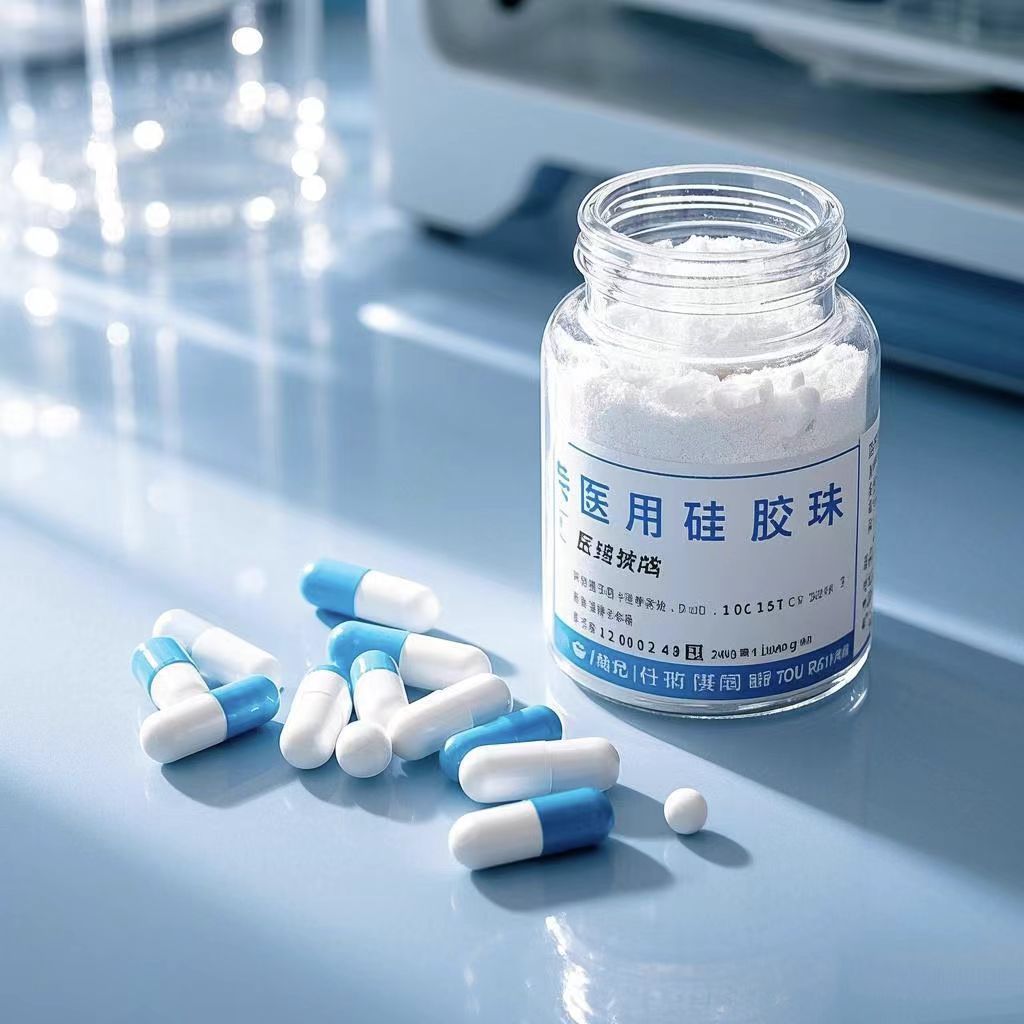
The deliberate customization of pore architectures opens up a world of possibilities in material design, where size, shape, and connectivity are no longer fixed parameters but tunable features. By adjusting these characteristics during synthesis or through post-processing treatments, it becomes feasible to match a material's internal voids precisely to the demands of a specific use case. For instance, micropores can be introduced to enhance gas adsorption, while a hierarchical arrangement that includes mesopores and macropores might be engineered to optimize mass transport in catalytic systems. This level of control allows researchers to move beyond one-size-fits-all solutions, creating materials that perform with greater efficiency and selectivity in environments ranging from industrial reactors to biological tissues.
Beyond simple size selection, the chemical environment lining the pore walls often determines how a material performs in practice. Functional groups can be grafted onto the inner surfaces to attract particular molecules, repel contaminants, or facilitate chemical transformations. In drug delivery, for example, pore channels are tailored not just for loading capacity but also for release kinetics, responding to pH changes or enzymatic activity at the target site. Similarly, in separation membranes, the interplay between pore geometry and surface chemistry governs permeability and rejection rates, enabling the isolation of complex mixtures with high precision. These nuanced adaptations highlight that effective pore engineering is as much about surface science as it is about structural design.
Real-world applications demand a balance between ideal pore structures and practical constraints such as mechanical stability, scalability, and long-term durability. Advanced characterization tools now allow iterative refinement, where imaging and diffusion studies feed back into synthesis protocols, pushing the limits of what can be achieved. From lightweight structural components with tailored porosity for aerospace to adsorbents that capture carbon dioxide under flue gas conditions, the ability to sculpt pore networks has elevated materials from passive scaffolds to active participants in cutting-edge technologies. As fabrication methods continue to evolve, the landscape of possible architectures expands, promising solutions to challenges in energy, health, and environmental sustainability that rely on precisely orchestrated interactions at the pore scale.
Breakthroughs in Drug Delivery Using Mesoporous Silica
Mesoporous silica nanoparticles have reshaped the landscape of drug delivery by offering unparalleled control over release kinetics. Their well-ordered pore networks can be fine-tuned to accommodate molecules of varying sizes, from small anti-inflammatory agents to large therapeutic proteins. The ability to functionalize pore walls with stimuli-responsive gatekeepers means payloads can be liberated only when triggered by specific pH shifts or enzymatic activity, reducing systemic exposure.
A particularly ingenious advance lies in the development of biodegradable frameworks that safely degrade in biological fluids once their cargo is spent. Researchers have moved beyond simple drug loading toward co-delivery systems where multiple agents are housed in separate pore compartments, enabling synchronized or sequential release. This is crucial in cancer therapy, where a chemotherapeutic and an anti-angiogenic agent might need distinct temporal release profiles to maximize tumor growth inhibition.
Real-world impact is becoming evident in formulations tackling notoriously hard-to-reach intracellular pathogens. Mesoporous silica carriers, camouflaged with macrophage-targeting ligands, deliver concentrated payloads directly into infected cells, achieving cure rates that free drugs seldom match. The same stealth functionalization allows porous silica to cross the blood–brain barrier, opening doors for peptide and gene therapies against neurodegenerative disorders that conventional methods have left largely untreated.
Environmental Remediation: A New Frontier
The landscape of environmental cleanup has quietly transformed over the past decade. No longer just about digging up contaminated soil and hauling it away, today's remediation projects increasingly read like a blend of ecology, engineering, and molecular science. From urban brownfields to remote mining sites, the focus is shifting toward solutions that work with natural processes rather than against them.
One quiet revolution is happening underground, where specially cultivated microbes are being deployed to break down industrial solvents into harmless byproducts. In parallel, nanomaterials are being engineered to trap heavy metals at the molecular level, while phytoremediation uses carefully selected plants to extract pollutants from soil and water. These approaches often require more patience than brute-force methods, but they leave ecosystems functional rather than stripped bare.
What’s striking is how this new frontier draws on local knowledge and community engagement. Remediation is no longer just a technical fix—it’s becoming an opportunity for environmental justice, where residents participate in designing the recovery of their own neighborhoods. This shift isn’t just about cleaner land and water; it’s reshaping relationships between people and the places they inhabit.
Scaling Up Production Without Sacrificing Quality
When you push for higher output, the risk of quality slipping is always lurking. Smart teams address this head-on by embedding quality checks directly into the production flow. Instead of relying solely on final inspections, they implement real-time monitoring at key stages. This means operators can catch deviations the moment they happen, rather than discovering them after a full batch has been produced. It’s a shift from reactive to proactive quality control, and it makes all the difference when volumes increase.
Another factor often overlooked is the human element. Scaling up usually involves bringing in new staff or rotating existing ones onto unfamiliar lines. Without a structured onboarding process, mistakes multiply. The most effective factories pair experienced workers with newcomers in a mentorship setup, supplemented by clear, visual work instructions at each station. This not only speeds up competency but builds a culture where everyone feels responsible for the end product. When people understand how their role fits into the bigger picture, attention to detail doesn’t fade under pressure.
Technology plays a key role, but it’s not about installing the latest gadgets for the sake of it. Simple automation of repetitive tasks—like dispensing, torque control, or vision inspection—can free up human attention for more complex judgments. The trick is to automate what degrades under monotony and keep people where their discernment matters most. Combined with a data-driven approach to identify recurring pain points, you create a system that becomes more resilient as it grows, rather than one that buckles under its own weight.
Future Innovations on the Horizon
The next decade promises a cascade of breakthroughs that feel less like science fiction and more like inevitable progress. Quantum computing, for instance, is steadily moving from theory to tangible machines capable of solving problems that stump even the fastest supercomputers. Researchers are inching toward error-corrected qubits, which could unlock new drug discoveries and radically optimize global supply chains.
Biotechnology is on a parallel track, with gene-editing tools like CRISPR evolving beyond simple cuts. We're now looking at epigenetic reprogramming to reverse aspects of aging and personalized mRNA vaccines tailored to individual cancer profiles. These aren't distant dreams—early trials are already delivering results once thought decades away.
Meanwhile, the energy landscape is being rewritten. Fusion energy, often mocked as eternally 30 years away, has seen meaningful net-energy gains in recent experiments. Combined with advanced battery storage and smart grid technology, the idea of abundant, clean power is inching closer to reality, reshaping everything from transportation to heavy industry.
FAQ
Mesoporous silica refers to a form of silicon dioxide engineered with a highly ordered pore network, typically between 2 and 50 nanometers in diameter. Its 'best' reputation stems from an unmatched combination of ultra-high surface area, tunable pore architecture, exceptional thermal and mechanical stability, and a surface that can be easily functionalized. This versatility allows it to be tailored for specific tasks in ways that other porous materials can't match, making it a cornerstone in fields from biomedicine to environmental remediation.
The secret lies in its honeycomb-like channels. These uniformly sized, interconnected pores maximize the surface-to-volume ratio, providing enormous contact area for reactions or adsorption. The controlled pore sizes act as molecular sieves, selectively admitting or retaining certain molecules while excluding others. This structural order ensures consistent diffusion paths, leading to faster kinetics in catalysis, more predictable drug release profiles, and higher loading capacities across various applications.
Beyond just pore size and surface area, you'd want a very narrow pore size distribution for uniformity, a high pore volume to house a large payload, and robust hydrothermal stability to withstand industrial process conditions. The morphology—whether particles, spheres, or monolithic structures—matters greatly depending on the end use. Also, don't overlook the density and accessibility of surface silanol groups; they determine how well you can anchor catalysts, capture pollutants, or attach targeting ligands for therapeutics.
You'll find it outshining others in targeted drug delivery, where its carriers can ferry chemotherapeutic agents directly to tumors while sparing healthy tissue. In heterogeneous catalysis, it supports metal nanoparticles with unprecedented dispersion, drastically improving efficiency. It's also a game-changer in high-capacity gas adsorption, selective sensing of trace analytes, and as dielectric layers in next-generation microelectronics due to its low-k properties.
It comes down to biocompatibility and design flexibility. Unlike many alternatives, pure silica is generally recognized as safe and degrades into harmless silicic acid in the body. Its pore diameters can be fine-tuned to match the size of specific drug molecules, and the pore openings can be capped with stimuli-responsive gatekeepers—like pH-sensitive polymers or magnetic nanoparticles—that release the payload only upon reaching a disease site. This level of external control over release kinetics is rarely found in organic or metal-organic frameworks.
It's often made via a sol-gel process using supramolecular templates, like surfactant micelles, that direct the formation of silica around them. By carefully adjusting the template type, concentration, reaction temperature, and pH, chemists can sculpt the pore architecture with near-atomic precision. After the silica framework condenses, the organic template is burned off or extracted, leaving behind a negative replica—a silica skeleton riddled with ordered, empty channels. Post-synthetic treatments can further refine the surface properties.
Think smart hybrid materials. One exciting frontier is the integration of mesoporous silica with responsive polymers or biomolecules that react to light, temperature, or enzyme activity, enabling on-demand release or sensing in real time. Another breakthrough is in energy storage, where silica–carbon composites boost lithium-sulfur battery cycling stability. There's also progress in 3D-printed silica monoliths with hierarchical porosity, opening doors to customized reactor beds and implants with unprecedented complexity.
Scaling up synthesis without sacrificing the delicate pore order is a persistent headache—subtle changes in mixing or heating can ruin batch consistency. In biomedical use, while early studies are promising, long-term toxicology and the immune response to repeated dosing need deeper scrutiny. For gas storage or separation, pore blocking by moisture or co-adsorbates can cripple capacity over cycles. And cost remains a factor: the precise engineering that makes this material so special also makes it pricier than bulk alternatives, limiting its use to applications where performance justifies the premium.
Conclusion
Mesoporous silica has emerged as a material of choice for cutting-edge applications, thanks to its remarkable tunability at the nanoscale. What sets it apart is the precise control over pore size, shape, and surface chemistry, allowing researchers to engineer bespoke platforms for everything from targeted drug delivery to catalysis. The ability to tailor pore architectures means that a single base material can be optimized for vastly different uses: large pores for enzyme encapsulation, functionalized channels for selective adsorption, or ordered arrays for sustained release profiles. This adaptability has pushed mesoporous silica to the forefront of material science, where it consistently outperforms less structured alternatives.
Recent advances have expanded its role into transformative areas. In medicine, mesoporous silica nanoparticles now enable on-demand drug release with stimuli-responsive gatekeepers, significantly improving therapeutic outcomes while reducing side effects. Environmental engineers are also tapping into its high surface area for removing heavy metals and organic pollutants from water, turning a once-theoretical idea into practical remediation systems. Crucially, manufacturing processes have evolved to produce these materials at industrial scales without compromising structural integrity or batch-to-batch consistency. Looking ahead, innovations like bioactive composite scaffolds and integrated sensing functionalities hint at a future where mesoporous silica becomes even more indispensable across healthcare, sustainability, and beyond.
Contact Us
Contact Person: Levin Wang
Email: [email protected]
Tel/WhatsApp: 8618668999988
Website: https://www.silicaplant.com/