

Best Hospital Bed Options for Comfort and Safety
2026-08-28
Choosing the right hospital bed isn’t just about medical equipment—it’s about creating a space where rest, recovery, and safety come together. Yet with so many options claiming the same benefits, how do you know which one truly meets your needs? From pressure relief to adjustable positioning, the details matter more than you might think. At Suncare, we’ve tested and compared the top models to help you cut through the noise. In this guide, we’ll walk you through the best hospital bed options that prioritize both comfort and safety—without the guesswork.
Feeling Less Like a Medical Device, More Like a Place to Rest
It’s strange how comfort sneaks up on you. The first few nights, you notice the lack of cold rails and the way the fabric doesn’t crinkle when you shift. The edges aren’t hard against your arms. The surface gives just enough, like a worn armchair that knows your shape. Somewhere between the third cup of tea and the way the lamp pools light on the side table, it stops feeling like equipment and starts feeling like a corner of your living room.
Nobody warns you about the small things—the weight of a blanket that actually drapes, the absence of beeping, the soft click of a drawer that closes without a fight. You catch yourself leaving a book on the cushion instead of the floor. You kick off slippers without worrying where they land. The air smells like cedar and wool, not antiseptic. Your shoulders drop an inch before you realize they were up.
A good rest doesn’t announce itself. It waits until you’ve stopped checking if you’re allowed to stay. Then it pulls the curtains wider, offers a second pillow, and lets the afternoon blur into a nap you didn’t plan. That’s the moment you know—this isn’t something you must endure. It’s something you get to sink into.
Fall Prevention Beyond Basic Side Rails
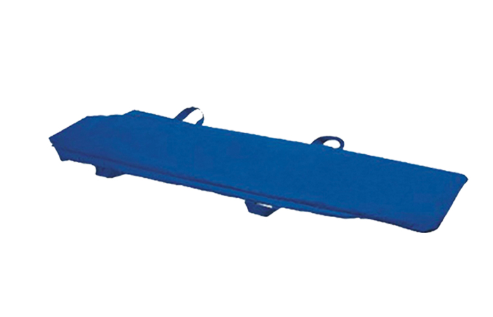
While side rails are a familiar sight in many care settings, relying on them as the primary fall prevention strategy can create a false sense of security. A more robust approach starts with a careful review of the patient's mobility patterns, cognitive status, and medication side effects. Something as simple as lowering the bed to its lowest position when the patient is resting, keeping frequently used items within easy reach, and ensuring the path to the bathroom is clear of clutter can reduce falls far more effectively than raising rails.
Attention to flooring and lighting often gets overlooked. Slippery or uneven surfaces, glare from polished floors, and dim corridors all contribute to falls, particularly during nighttime trips to the toilet. Installing motion-activated night lights, using non-slip mats that are flush with the floor, and choosing footwear with adequate grip can be more practical than any rail adjustment. For patients who are prone to getting up without assistance, placing a low bed or a crash mat beside the bed may offer protection without the entanglement risks that side rails can introduce.
An individualized mobility plan should also address toileting routines. Many falls happen when patients try to reach the bathroom alone because call bells are out of reach or response times are slow. Scheduling regular assisted bathroom visits, keeping commodes close for those with limited mobility, and encouraging patients to ask for help rather than attempting to get up unassisted can dramatically lower fall rates. Staff training on how to reposition patients without leaning over raised rails further reduces the chance of injury for both patients and caregivers.
Manual vs. Electric: Choosing the Right Adjustability for Your Routine
If your day involves one switch from sitting to standing and back, a manual desk might be all you need. The crank or pneumatic lift takes a few seconds of effort, and you never have to worry about being near an outlet. But if you find yourself adjusting more often—say, to alternate between focused sitting and collaborative standing—the repetition can start to feel like a chore, and that's where electric makes sense.
Electric adjustability really shines when the change needs to be quick and seamless. A button press gets you moving, and many models include memory presets so you can return to your exact preferred heights without fiddling. The trade-off is a faint motor hum and a reliance on power, but for most people, that's a small price for not losing momentum during a busy workday.
Manual mechanisms, on the other hand, tend to be simpler and have fewer parts that can fail. They're often lighter and easier to move around if you reconfigure your space often. Ultimately, the right choice comes down to how much your routine depends on frequent height changes—if adjusting feels like a natural part of your workflow, electric is worth it; if it's just a set-it-and-forget-it scenario, stick with manual and save the budget.
Pressure Relief Starts with the Mattress, Not Just the Bed Frame
A solid bed frame gives you a stable base, but it won't do much for the pressure that builds up under your hips and shoulders overnight. That dull ache or the need to keep flipping sides usually traces back to the top comfort layers of the mattress, not the slats or platform underneath. If the surface doesn't contour enough, even the most adjustable frame can't redistribute your weight properly.
The materials inside the mattress do the heavy lifting. Memory foam or latex with a slower response lets your body sink just enough to spread the load, while zoned support keeps your spine from bowing. A frame can change your sleeping angle or make it easier to get in and out of bed, but the real pressure relief happens where your body actually meets the surface.
So when you're trying to fix morning stiffness, start by looking at the mattress's top layer thickness, density, and firmness level. Swapping out the frame might improve stability or height, but if the mattress can't relieve pressure on its own, you'll still wake up sore no matter how sturdy the base is.
Wider Frames and Higher Weight Limits Without Sacrificing Comfort
The wider seat frame isn’t just about squeezing in more inches—it changes how pressure travels through your legs and hips. By extending the side rails and re-angling the front edge, the sitting area keeps your thighs fully supported without pinching, even after hours of use.
Bumping the weight limit up to 400 pounds required more than just thicker steel. The crossbars under the cushion were repositioned to handle heavier loads without flexing, while the foam was switched to a dual-density blend that stays soft on top but firms up deeper down. The result is a chair that doesn't feel like a park bench.
Comfort comes from small decisions too—like moving the armrests outward by two centimeters so they don't dig into your sides, and adding a slight give to the backrest hinges. These tweaks mean the extra capacity never translates into a stiff, punishing ride.
What Really Matters for Home Use: Quiet Motors, Mobility, and Caregiver Access
Home use isn't about horsepower or flashy displays—it's about whether the equipment fades into daily life without adding stress. A quiet motor matters more than most people expect. The constant hum of a loud device can wear on both the user and everyone else in the house, turning a simple transfer or therapy session into a source of irritation. Look for motors rated below 50 decibels during normal operation, and pay attention to how the sound changes under load. Some machines whisper when idle but groan the moment weight shifts, which defeats the purpose.
Mobility in a home setting rarely means speed. It means the ability to turn around a tight bathroom doorway, roll smoothly over a threshold, or be repositioned by one person without a struggle. Casters that lock individually, a frame that doesn't flex awkwardly when moving from carpet to tile, and a footprint that fits through standard interior doors—these details matter more than a top speed you'll never use. If the equipment can't navigate the actual layout of the house, it becomes a stationary obstacle rather than a tool.
Caregiver access is the unglamorous reality that determines whether a device gets used or abandoned. Can a single caregiver adjust the height without bending at an awkward angle? Are the controls reachable from both sides, or does someone have to squeeze between a wall and the user's shoulder? Clearance under the frame for a lift, easy-to-clean surfaces that don't trap fluids in seams, and handgrips placed where a person's hands naturally fall—these features save backs and tempers. When a device respects the caregiver's body as much as the user's, it actually stays in the daily routine instead of being pushed into a corner.
FAQ
Several factors matter more than people expect. The bed frame needs to support the user's weight and allow easy height adjustment—preferably electric rather than crank-based. Mattress type also plays a huge role in preventing pressure sores, so alternating pressure or foam with good pressure redistribution is worth the investment. Side rails or assist bars can make transfers safer, but they need to lock firmly. Finally, check whether the bed fits through doorways and works with existing bedroom furniture, because size surprises are common.
Full-electric beds let you change height, head, and foot positions with a remote, which helps caregivers avoid strain and gives the user more independence. Semi-electric beds usually have electric head and foot adjustments but manual height changes, often via a crank. Manual beds are the most budget-friendly but require physical effort for every adjustment, which can become exhausting for both the user and caregiver. For long-term home care, full-electric tends to win on practicality despite the higher upfront cost.
They can be, especially when combined with floor mats or padded rails. A low bed reduces the distance to the floor, so if someone rolls out, the impact is less severe. Many low models also include adjustable height to rise for transfers, which avoids forcing caregivers to bend too far. However, a low height alone doesn't prevent falls; it's important to assess the person's mobility and nighttime behavior before relying on that feature.
Pressure redistribution is the top priority. Look for multi-layer foam or air cells that respond to body heat and weight, not just a standard innerspring. Alternating pressure mattresses help users who spend 15+ hours in bed by shifting support points and improving circulation. A waterproof but breathable cover also matters—it protects the mattress while reducing sweat and skin irritation. Avoid overly soft surfaces that let hips sink too far, because that can create new pressure points.
Start with the bedding—regular twin or extra-long twin sheets in natural fabrics can help, along with a quilt or throw that covers the side rails partially. Wood or upholstered headboards made for hospital bed frames are available and soften the look. Adding a bedside caddy or small shelf keeps personal items within reach and reduces that institutional feeling. Some people also remove one side rail when not needed for safety, which opens up the room visually.
Inspect the electrical cords and motors for wear, and test every remote function with weight on the bed, not just empty. Check that the rails lock and release smoothly, and look for rust or cracks on the frame joints. Ask about the bed's weight capacity and whether replacement parts are still available. If the mattress is included, verify it's not compressed or stained—used mattresses often need replacing, so factor that cost into the purchase.
Yes, if the person's weight exceeds the standard capacity of typical hospital beds—usually around 350–450 pounds. Bariatric beds are built with reinforced frames and wider sleep surfaces, which reduces the risk of frame failure and gives the user more room to turn. The added width also makes caregiver assistance easier during repositioning. Even if the higher price is a concern, the long-term durability and safety often justify it.
Many newer hospital beds work with standard adjustable mattress profiles, but you need to match the bed's articulation points to the mattress design. Smart home integration is limited, but some full-electric beds include programmable positions or nurse call compatibility. For most home users, a simple remote with memory presets is more valuable than complex automation. Check the manufacturer's specs before buying any non-standard mattress or add-on device.
Conclusion
Finding a hospital bed that doesn't feel like a piece of equipment starts with the details nobody puts on a spec sheet. A good frame should let you forget you're in a medical setting—softer headboards, warmer finishes, and controls that don't click like a vending machine. But comfort also lives in the mattress. Pressure relief comes from the surface, not the frame, so pairing a solid bed with a high-quality foam or air overlay matters more than adding another rail. And rails aren't the whole story for safety: look for beds with low-height settings, gentle bed-exit alarms, and built-in lighting that won't wake a sleeping partner.
The choice between manual and electric adjustability often comes down to who's using the bed day to day. If a caregiver will be raising and lowering the head or foot sections multiple times, an electric motor with a quiet drive can make nights less disruptive. But if the user only needs occasional position changes, a manual crank saves money and still works when power is out. For larger users, wider frames and higher weight limits shouldn't mean a stiff, institutional sleep surface. Many home-friendly models now hold 500 pounds or more while keeping the mattress plush. What really separates a good home hospital bed from a borrowed one is how it fits your space and routine—can it roll through doorways, does the motor hum at 2 a.m., and can a family member reach the patient without straining their own back.
Contact Us
Contact Person: Frank Chan
Email: [email protected]
Tel/WhatsApp: 0086-13924529088
Website: https://www.suncare-medical.com