

Aromatic Carboxylic Acid Intermediate Distributors Choosing the Right Partner for Your Supply Chain
2026-09-05
Every procurement manager knows the feeling: a quoted lead time slips, a certificate of analysis doesn't match, and a routine aromatic carboxylic acid intermediate order suddenly becomes a production bottleneck. Finding a distributor is easy—finding one that treats your timelines, specs, and downstream needs as carefully as you do is a different story. That's where DSL Chemicals changes the equation. We built our supply model around fewer surprises and more accountability. In this post, we'll walk through the practical criteria for choosing a supply chain partner you won't have to babysit.
What Your Current Distributor Hopes You Won't Calculate
Most buyers never add up the small surcharges that appear on every invoice. Freight, handling, split-case fees, fuel adjustments—they look minor on their own but compound into a double-digit percentage once you compare the landed cost against the original quote. The distributor's margin is rarely the headline number; it hides in the fine print.
Another figure worth pulling apart is the cost of carrying excess inventory. Distributors push volume discounts and minimum order quantities that fill your shelves with slow-moving stock. Calculate the warehousing, insurance, and cash tied up for months, and the “savings” often turn negative.
Finally, measure the true cost of a supply chain you don't control. Every delayed shipment, out-of-stock notice, or quality dispute has a price in lost sales and rushed reorders. A distributor that quietly restricts your options benefits from that opacity—your calculation would reveal it.
Why Every Aromatic Carboxylic Acid Batch Tells a Different Story
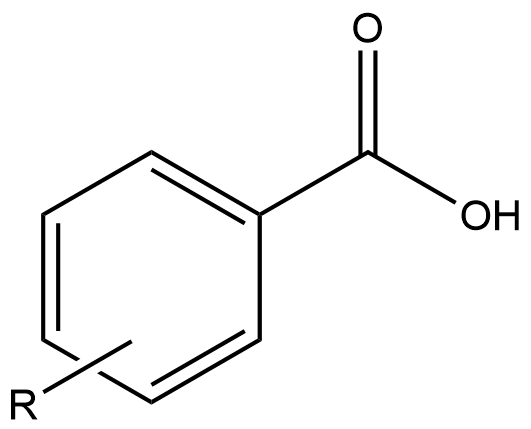
Walk into any lab that handles aromatic carboxylic acids and you'll quickly notice something peculiar: no two batches behave exactly the same, even when the synthesis protocol hasn't changed a single line. The reason lies in how these molecules interact with trace impurities, moisture, and even the subtle differences in stirring speed or cooling gradients. A benzoic acid derivative synthesized on a humid Tuesday might crystallize into a slightly different polymorph than one made on a dry Friday, and that change alone can shift its melting point, solubility, and even its reactivity in downstream coupling reactions. It's not sloppy chemistry—it's the inherent fingerprint of aromatic carboxylic acids, whose planar rings and hydrogen-bonding carboxyl groups make them exquisitely sensitive to their environment.
Then there's the question of starting materials. Aromatic carboxylic acids are rarely made from perfectly pure feedstocks; the toluene or naphthalene precursor itself carries a history of its own distillation, oxidation byproducts, and metal traces from the reactor. These minor actors don't just sit inert—they can co-crystallize with the acid, alter the pKa in solution, or even catalyze unwanted decarboxylation during storage. Batch records may look identical on paper, but the actual molecular ensemble in the flask tells a richer, messier story. Experienced chemists learn to read these variations: a slightly off-white color here, an unexpected needle-like crystal habit there, and suddenly you know this batch will need a gentler recrystallization or a longer drying time before it's reliable for the next step.
Finally, storage and handling add another layer to the narrative. Aromatic carboxylic acids are hygroscopic in ways that surprise newcomers—a seemingly sealed bottle can still pull enough water from the air to form a partial hydrate, which changes its stoichiometry in reactions. Light exposure can slowly promote radical side reactions, especially if the ring carries electron-donating groups. Even the container material matters: a stainless-steel scoop versus a plastic one can leave behind traces that later show up as unexplained color in an esterification. So when a batch "tells a different story," it's not a failure of reproducibility; it's a reminder that these compounds are not static commodities but dynamic participants in a chemical conversation that begins the moment they're synthesized and continues until the final product is characterized.
The Certificate of Analysis Line Your QA Team Should Flag
Most QA reviewers scan a Certificate of Analysis the same way every time: lot number, product name, then straight to the assay and impurity results. But the line that almost never gets a second glance is the one that states which analytical method was used. When it reads something like "Tested according to in-house method SOP-045," that should stop you cold. Compendial methods have public, validated track records. An internal method may be perfectly fine, but it also may have been changed last month without any external review, leaving your batch release hanging on an unverified procedure.
The risk isn't hypothetical. A supplier can switch from a USP monograph method to a faster in-house HPLC method without updating the CoA template in a way that catches your eye. The result numbers might still fall within spec, but the method change can shift selectivity or sensitivity enough to miss a degradation product that the original method would have caught. Flagging that single method-reference line forces a conversation with the supplier about equivalence, validation data, and whether your own QC lab can reproduce the results. Without that flag, the CoA becomes a paper exercise rather than a true quality gate.
A practical step is to add a colored highlight or a stamp next to the method line on every incoming CoA before it enters your document system. Make it impossible to miss. Then, for any supplier that lists a non-compendial method, keep a running log of the last time you confirmed the method version and its validation status. This small habit turns a routinely ignored line into a trigger for supplier oversight, and it costs your team almost no extra time.
Inventory Commitments That Aren't Written Anywhere
Walk into any warehouse and ask the floor manager about stock levels, and you'll get a number. Ask them what they've promised the sales team, or what they've silently agreed to hold for a key account, and you'll likely get a shrug and a story. Those unwritten commitments live in the gaps between formal purchase orders and actual dispatch dates—the pallet set aside because a buyer called three weeks ago, the extra buffer kept because last season's stockout still stings. No system tracks them, yet they shape every replenishment decision.
The real trouble starts when multiple people hold different versions of the same invisible promise. A sales rep remembers a casual nod about reserving 200 units for a regional promotion; the inventory planner remembers only the email thread that ended without confirmation. By the time the promotion launches, the stock has already been allocated to another channel, and the fallout lands on relationships, not spreadsheets. These commitments operate like folklore—passed along in hallway conversations, distorted by memory, and rarely challenged until a mismatch becomes a crisis.
To manage what isn't written, you need to surface it without bureaucratizing trust. That might mean a weekly fifteen-minute huddle where each team names the promises they've made off the record, or a simple shared note that logs 'soft holds' with an expiry date. The goal isn't to eliminate informal commitments—they often grease the wheels of customer service—but to make their existence visible enough that planning isn't built on ghosts. Otherwise, you're not forecasting inventory; you're forecasting conversations you forgot to have.
When a Low Price Starts Looking Expensive in Your Reactor
Cutting corners on reactor internals feels smart at the quote stage, but those savings have a way of reappearing as unplanned downtime. A bargain baffle or discount distributor plate might pass a visual check, yet under thermal cycling and corrosive media it can warp, crack, or shed fines into your catalyst bed. The real cost isn't the part, it's the shutdown to fish it out, the lost production hours, and the metallurgical report nobody wanted to read.
Low-cost alloys often hide their weaknesses until they meet your specific chemistry. A nickel substitute that works fine in a storage tank can embrittle after six months next to a steam coil or start pitting where flow velocities drop. Once that happens, the price difference evaporates against re-tubing a heat exchanger or repairing a reactor wall. Operators learn to read mill certificates the way a jeweler reads a loupe — because a vague 'equivalent material' note is where the expensive story usually begins.
The same applies to replacement gaskets, bolts, and thermowells. Cheap fasteners that gall or seize turn a routine catalyst change into a week of drilling out studs. A thermowell with the wrong corrosion allowance can fail inside a year, taking your temperature control logic down with it. When a low price starts looking expensive, it's usually not on the invoice. It shows up in the turnaround schedule, the maintenance overtime, and the slow erosion of reliability that no amount of process tweaking can fully claw back.
How to Test a Distributor's Backup Plan Before a Shortage Hits
When a distributor assures you their backup plan will hold, ask for the last time they actually ran a live test. Most plans read well on paper but fall apart when a real shortage hits, because assumptions about lead times, alternate suppliers, and carrier capacity were never pressure-checked. Instead of taking their word, request a walkthrough of the exact steps they would take if their primary source went offline tomorrow. Pay attention to whether they mention specific contacts, pre-negotiated rates, or stored inventory—or just vague promises about “strong relationships.”
A practical test is to simulate a sudden 30% cut in your usual order volume and see how quickly the distributor can confirm alternative stock. Ask for written confirmation of which SKUs they can cover, at what cost, and within what delivery window. If they hesitate, ask for a penalty-backed service level agreement. Distributors with real backup plans will have no problem sharing past examples of shortages they managed without interrupting customer shipments.
Finally, verify their backup suppliers independently. Call one or two of the alternate sources they list and ask if they have an active agreement with your distributor. If the answer is vague or the supplier hasn’t heard from them in years, that backup plan is just a name on a spreadsheet. The time to find out is now, not when your production line is already down.
FAQ
It usually comes down to how openly they share technical data. A dependable partner will walk you through impurity profiles, residual solvent levels, and stability under your storage conditions without you having to chase them. They also tend to have direct relationships with manufacturers rather than relying on spot-market sourcing.
Ask for a list of recent shipments of structurally similar compounds, not just a generic product catalog. Request references from customers who use those intermediates in comparable synthesis routes. If they hesitate to connect you with a current client, that is a signal to keep looking.
Focus on single-source exposure, lead-time variability, and their contingency plans for plant shutdowns or shipping disruptions. A strong distributor will have pre-qualified alternate manufacturers and regional warehousing options, and they will put those commitments in writing rather than offering vague reassurances.
These compounds often feed into pharmaceutical or advanced material processes where even minor impurities can force a batch rejection. You need complete certificates of analysis, change notifications for raw material sources, and audit trails that trace every lot back to its production date and equipment train.
Instead of asking if they have quality systems, ask how they handle out-of-specification results. Who makes the disposition decision? Do they quarantine automatically? Can they provide a corrective action report from the last twelve months with identifying details redacted? The answers show whether quality is a culture or just a checklist.
Map out their storage and transit conditions for your specific melting point, hygroscopicity, and light sensitivity. Ask for temperature-logged shipping examples and their protocol if a shipment deviates outside the agreed range. A distributor that cannot show real data from previous deliveries is probably guessing.
Yes, especially if you are scaling up from lab to pilot or pilot to production. The right partner will help you troubleshoot crystallization issues, suggest alternative packaging that reduces moisture uptake, or advise on regulatory documentation for a new market. If their only answer is "we can sell you the product," you will be handling all the difficult work alone.
Watch for frequent changes in their manufacturer base without explanation, reluctance to share audit reports, or a pattern of promising faster delivery only after you complain. Also be wary if they push you toward a different product without chemical justification—occasionally that reflects their inventory needs, not your process requirements.
Conclusion
A distributor selling aromatic carboxylic acid intermediates rarely volunteers the math that matters most: cost per successful batch, not cost per kilogram. If one shipment carries an extra half-percent of a stubborn isomer or a trace metal that poisons your catalyst, the savings vanish in reduced yield or a stalled campaign. Every batch truly does tell a different story, even from the same supplier, because upstream raw materials and drying conditions shift. Your QA team should not just glance at the assay on the certificate of analysis; they need to flag lines for residual solvents, water content, and impurity profiles that are often reported too loosely to be useful. The same caution applies to inventory. Verbal reassurances about safety stock mean nothing when a plant outage hits. Ask for written allocation commitments, minimum stock levels, and an agreed lead time for your specific grade, not just a generic datasheet promise.
Low price becomes expensive inside your reactor when an intermediate's quality drift forces longer reaction times, extra recrystallization, or lower enantiomeric excess. Before signing a contract, simulate a shortage: ask the distributor to show which second source they can activate within days, how they prioritize customers, and what documentation they provide for alternative batches. A reliable partner will show you their backup plan without being asked twice, including technical support when a batch performs slightly off-spec. The right distributor treats your process as their own, tracks lot-to-lot trends, and flags issues before you discover them in the lab. Choose on total cost of ownership and transparency, not on a quote that hides future trouble.
Contact Us
Contact Person: Wei Zhang
Email: [email protected]
Tel/WhatsApp: 862163529955
Website: https://www.dslchem.com