

Advanced Wire Rolling Mills for Textile Machinery: Essential Supplier Solutions
2026-03-08
In the intricate world of textile machinery, where precision and reliability are paramount, advanced wire rolling mills stand as unsung heroes, quietly shaping the foundation of countless industrial processes. For those seeking essential supplier solutions that elevate efficiency and durability, this blog dives deep into the innovative technologies driving GRM's cutting-edge wire rolling mills. As we explore the critical role these mills play in modern textile applications, you’ll discover why GRM has become a trusted name for manufacturers aiming to stay ahead in a competitive market. From enhanced material performance to streamlined production workflows, join us on a journey to uncover how advanced wire rolling solutions can transform your operations and spark new possibilities in textile innovation.
Innovative Wire Rolling Mill Solutions for Modern Textile Production
The wire rolling mill industry is undergoing a quiet revolution, driven by the unique demands of modern textile production. Gone are the days of one-size-fits-all machinery; today's mills are embracing modular systems that allow producers to fine-tune wire diameter and surface finish with unprecedented precision. This shift isn't just about better equipment—it's about enabling textile manufacturers to craft stronger, more durable fabrics with enhanced flexibility. By reducing material wastage and boosting throughput, these advancements help companies stay competitive in a market increasingly focused on sustainability and high-performance materials.
What sets these new mills apart is their seamless integration with smart factory environments. Real-time data analytics and adaptive control systems continuously monitor and adjust rolling parameters, ensuring consistent quality across every batch. This level of automation minimizes human error while allowing operators to focus on innovation rather than manual oversight. In textile applications, this means wires used in reinforced fabrics or technical textiles can maintain exact specifications even under high-speed production, directly translating to improved end-products like safer automotive interiors or more resilient industrial fabrics.
Beyond technical specs, these solutions prioritize user experience and operational efficiency. Ergonomic designs and simplified maintenance protocols reduce downtime, making them ideal for textile plants operating around the clock. As textile production evolves toward smarter, greener practices, these rolling mills serve as a critical link—transforming raw metal into precision components that drive the entire supply chain forward. The result is a symbiotic relationship where machinery innovation meets textile creativity, unlocking possibilities for next-generation materials.
Enhancing Efficiency with Precision Wire Rolling Technology
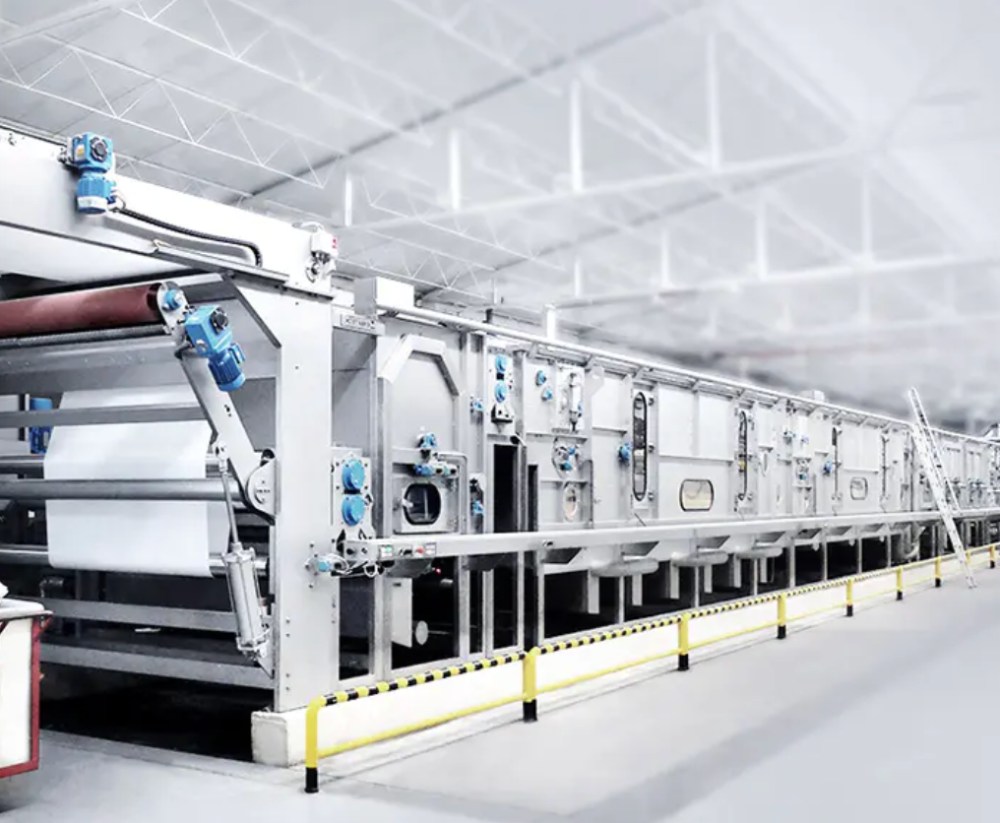
In the dynamic world of metalworking, precision wire rolling technology stands out as a game-changer, revolutionizing how industries like automotive and aerospace produce high-quality components. By leveraging advanced machinery and digital controls, this process ensures that wire is shaped to exacting tolerances, reducing waste and boosting throughput. Companies adopting these methods often see a significant uptick in production rates, as the streamlined operations minimize downtime and enhance consistency across batches. This isn't just about faster output—it's about smarter manufacturing that adapts to ever-evolving market demands.
What sets precision wire rolling apart is its ability to deliver unparalleled accuracy in wire dimensions, which directly translates to improved material utilization and cost savings. Unlike traditional methods that might rely on guesswork or manual adjustments, modern systems integrate sensors and real-time feedback loops to fine-tune every roll. This meticulous approach not only cuts down on scrap but also enhances the mechanical properties of the wire, making it ideal for critical applications where reliability is non-negotiable. It's a subtle yet powerful shift that elevates entire supply chains.
Beyond the technical gains, this technology fosters innovation by enabling the creation of complex wire shapes that were once deemed impractical. From intricate medical devices to robust structural elements, designers now have the freedom to push boundaries without compromising on efficiency. As industries continue to prioritize sustainability and lean operations, precision wire rolling emerges as a key enabler, helping businesses stay agile and competitive in a fast-paced environment. It's a testament to how focused engineering can drive both progress and profitability.
Customized Wire Rolling Equipment for Diverse Textile Applications
In today's textile industry, wire rolling equipment isn't just a standard tool—it's a tailored solution that adapts to specific production demands. Customized machinery can handle everything from fine silk threads to robust synthetic yarns, ensuring consistent quality and efficiency across varied applications. By integrating advanced controls and durable materials, these systems meet the unique challenges of modern textile operations, from weaving to knitting and beyond.
What sets our wire rolling equipment apart is its flexibility in design, allowing for modifications like adjustable tension settings, specialized guides, and modular components. This adaptability means manufacturers can quickly switch between different textile types without sacrificing precision or speed, reducing downtime and boosting overall productivity.
Feedback from industry professionals highlights how this customized approach leads to better end products, with smoother finishes and fewer defects. Whether used in high-volume factories or niche artisanal workshops, such equipment empowers users to innovate and push the boundaries of textile creation, making it a key asset for diverse applications.
Advanced Materials and Durability in Wire Rolling Mills
In the demanding environment of wire rolling mills, the adoption of advanced materials has become a game-changer for enhancing durability. Innovations such as high-speed tool steels, tungsten carbide rolls, and ceramic coatings are now commonplace, offering superior resistance to wear, corrosion, and thermal fatigue. These materials not only extend the lifespan of critical components but also improve operational efficiency, reducing downtime and maintenance costs.
Beyond material selection, the focus on durability involves strategic design improvements and maintenance protocols. For instance, optimizing the geometry of rolls and using precision heat treatments can mitigate stress concentrations and prevent premature failures. This holistic approach ensures that wire rolling mills operate reliably under high-load conditions, producing consistent quality output over extended periods.
The integration of advanced materials has led to significant sustainability benefits, reducing waste and energy consumption through fewer replacements and smoother operations. As the industry evolves, ongoing research into nanomaterials and composite alloys promises further breakthroughs in durability, positioning wire rolling mills for long-term resilience and competitive advantage.
Integrating Smart Systems into Wire Rolling Processes
In modern manufacturing, wire rolling processes are undergoing a significant transformation through the integration of smart systems, which leverage advanced technologies like IoT sensors and AI algorithms to enhance efficiency and precision. This approach allows for real-time monitoring of parameters such as temperature, speed, and tension, enabling automated adjustments that reduce waste and improve product quality. As a result, factories can achieve higher throughput and consistency, adapting more swiftly to changing production demands.
For instance, by embedding smart systems, operators gain predictive maintenance capabilities that identify potential equipment failures before they occur, minimizing downtime and extending machinery lifespan. This proactive stance not only cuts operational costs but also fosters a safer work environment by reducing manual interventions in high-risk areas. The seamless data flow between machines and control centers ensures that every step of the rolling process is optimized, from raw material input to finished wire output, setting new benchmarks in the industry.
Moreover, integrating these intelligent solutions facilitates customization and flexibility, allowing manufacturers to produce specialized wires for diverse applications, such as automotive or aerospace, with minimal reconfiguration. This agility drives innovation and competitiveness, making smart systems a cornerstone of next-generation wire rolling operations that prioritize sustainability and long-term growth.
Partnering with Leading Suppliers for Seamless Textile Machinery Integration
Forging strong alliances with top-tier textile machinery suppliers is crucial for achieving smooth integration within your production line. Rather than viewing integration as a mere technical task, it's about building a collaborative relationship where suppliers understand your specific operational challenges and goals. These partnerships often start with in-depth consultations, where suppliers' engineers work closely with your team to map out custom solutions that fit your unique workflows, ensuring machinery not only meets specifications but enhances overall productivity.
Leading suppliers excel by offering more than just equipment; they provide ongoing support and training that adapt to your evolving needs. This proactive approach includes regular maintenance checkups, software updates, and access to expert advice, which helps minimize downtime and keeps your operations running efficiently. By choosing partners with a proven track record in innovation, you can integrate cutting-edge technologies like IoT sensors and AI-driven diagnostics, giving you a competitive edge in a fast-paced industry.
Ultimately, seamless integration transforms your textile manufacturing process into a cohesive, high-performing system. It leads to better resource utilization, reduced waste, and faster turnaround times, directly impacting your bottom line. Investing in such partnerships ensures long-term reliability and scalability, allowing you to stay ahead of market trends and respond quickly to customer demands without compromising on quality.
FAQ
They're primarily used in producing high-precision wires for components like needles, hooks, and fasteners, ensuring durability and precision in textile manufacturing processes.
By incorporating automation and real-time monitoring, they enhance tolerance control and reduce defects, leading to more reliable wires that meet strict textile industry standards.
Top suppliers offer customized mill designs, robust after-sales support, and integration services that adapt to specific textile machinery needs, giving clients a competitive edge.
Yes, they're versatile enough to process various materials, including high-carbon steel and alloys, optimizing performance for diverse textile equipment parts.
Trends like AI-driven predictive maintenance and energy-efficient designs are emerging, focusing on reducing downtime and operational costs in textile factories.
Through phased implementation and on-site technical assistance, they help textile manufacturers smoothly transition without disrupting production schedules.
Conclusion
Advanced wire rolling mills represent a critical component of modern textile machinery, providing essential supplier solutions that directly impact production efficiency and product quality. By integrating innovative wire rolling mill solutions for modern textile production, manufacturers can achieve unprecedented precision in wire processing, enabling the creation of finer and more consistent textile products. This technological advancement supports customised wire rolling equipment for diverse textile applications, allowing suppliers to meet the specific needs of various textiles, from delicate fabrics to industrial materials. As a result, the integration of advanced materials and durability in wire rolling mills ensures that machinery withstands rigorous use, reducing downtime and maintenance costs. By enhancing efficiency with precision wire rolling technology, suppliers empower textile producers to streamline operations and boost overall productivity, making these mills indispensable in today's competitive textile industry.
Furthermore, the ongoing integration of smart systems into wire rolling processes is revolutionising how textile machinery operates, adding layers of automation and data analytics that optimise performance in real-time. This smart integration not only improves process control but also facilitates predictive maintenance, further enhancing reliability and longevity. Partnering with leading suppliers for seamless textile machinery integration ensures that these advanced mills are effectively incorporated into existing production lines, minimising disruptions and maximising return on investment. Collectively, these elements position advanced wire rolling mills as essential supplier solutions, driving innovation and efficiency in textile manufacturing. By focusing on customisation, durability, and smart technology, suppliers can deliver standout solutions that set their offerings apart in the market, ultimately fostering stronger partnerships and delivering superior value to textile producers.
Contact Us
Contact Person: Rayna
Email: [email protected]
Tel/WhatsApp: 86 -173 1474 6343
Website: https://www.grmrollingmill.com/